

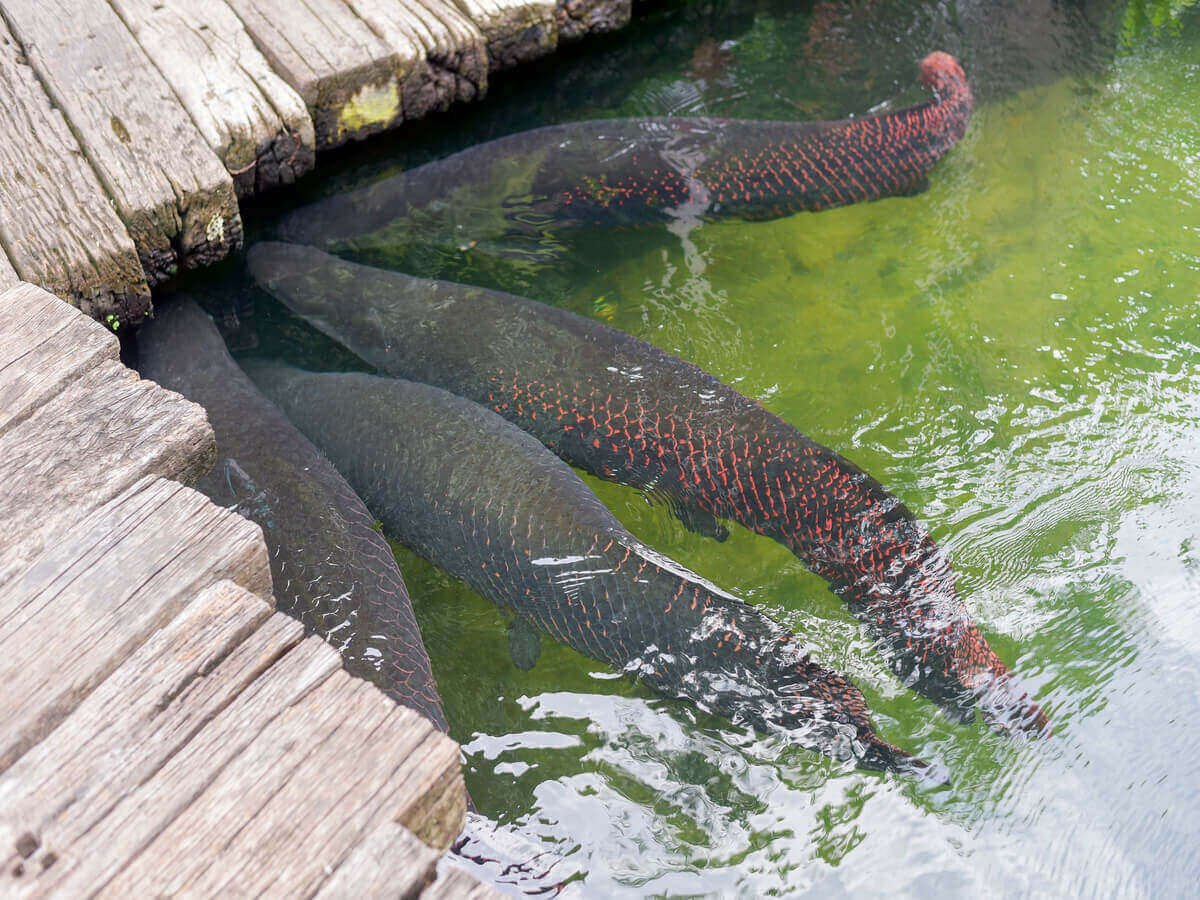
Responsible Fish Farming and Food Safety
As consumers become more informed about where their food comes from, food safety has become one of the most important factors when purchasing fresh fish. Families, restaurants, hotels, supermarkets, caterers, and food service businesses all want confidence that the fish they buy has been produced responsibly, handled hygienically, and delivered under strict quality standards.
Responsible fish farming plays a vital role in achieving this confidence. Modern aquaculture is about much more than producing fish it involves carefully managing every stage of production to support fish health, environmental sustainability, traceability, and food safety.
When responsible farming is combined with professional processing, rigorous quality assurance, secure packaging, and dependable cold-chain logistics, consumers receive fish that consistently meets high standards of freshness and quality.
At Soba Renaissance, we proudly supply premium fresh fish through responsible sourcing, sustainable aquaculture partnerships, integrated farm-to-fork supply systems, hygienic handling, rigorous quality assurance, professional packaging, and reliable cold-chain distribution. Our commitment ensures that every product reflects the highest standards of food safety and sustainability.
This guide explains how responsible fish farming contributes to safer, higher-quality fish for homes and businesses across Kenya.
Why Food Safety Matters
Food safety protects both consumers and the integrity of the food supply.
For fresh fish, maintaining food safety helps to:
- Preserve product quality.
- Support consumer confidence.
- Maintain freshness.
- Reduce unnecessary waste.
- Encourage responsible food production.
Strong food safety systems benefit every part of the supply chain.
Responsible Fish Farming Starts with Healthy Aquatic Environments
Healthy fish are produced in well-managed environments.
Responsible aquaculture focuses on:
- Clean water management.
- Appropriate stocking practices.
- Routine health monitoring.
- Balanced nutrition.
- Environmental responsibility.
Healthy farming environments contribute to healthier fish and more consistent product quality.
Biosecurity Supports Healthy Fish Production
Biosecurity refers to practices that help reduce the risk of disease within aquaculture systems.
Responsible producers emphasise:
- Controlled farm access.
- Routine monitoring.
- Preventive management.
- Clean production systems.
- Continuous observation.
Strong biosecurity helps maintain healthy fish populations while supporting food safety objectives.
Water Quality Is Essential
Water is one of the most important elements in fish farming.
Professionally managed operations prioritise:
- Clean water.
- Regular monitoring.
- Appropriate environmental conditions.
- Responsible water management.
- Sustainable production practices.
Maintaining good water quality supports fish welfare and overall product consistency.
Hygienic Handling Throughout Production
Food safety extends beyond the fish farm.
Every stage requires careful handling, including:
- Harvesting.
- Processing.
- Packaging.
- Storage.
- Transportation.
Professional hygiene practices help preserve freshness while reducing contamination risks.
Traceability Improves Transparency
Consumers increasingly value knowing where their food comes from.
Traceability supports:
- Product accountability.
- Responsible sourcing.
- Quality assurance.
- Food safety.
- Supply chain transparency.
At Soba Renaissance, traceability is an important part of building long-term customer confidence.
Quality Assurance Protects Every Order
Consistent quality does not happen by chance.
Professional quality assurance includes:
- Product inspections.
- Hygiene monitoring.
- Process verification.
- Packaging checks.
- Continuous improvement.
Quality assurance helps ensure that every order meets established production standards.
Cold-Chain Logistics Preserve Freshness
Maintaining appropriate temperatures is critical for fresh fish.
Reliable cold-chain systems include:
- Refrigerated storage.
- Temperature-controlled transportation.
- Continuous product monitoring.
- Hygienic handling.
- Prompt delivery.
Protecting the cold chain helps preserve freshness from source to customer.
Sustainability and Food Safety Work Together
Responsible fish farming supports both environmental stewardship and food safety.
Sustainable aquaculture encourages:
- Responsible resource management.
- Healthy production systems.
- Reduced environmental impact.
- Long-term agricultural resilience.
- Reliable food production.
At Soba Renaissance, sustainability strengthens every stage of our food safety commitment.
Why Customers Trust Soba Renaissance
Customers across Kenya choose Soba Renaissance because we consistently provide:
- Premium fresh fish.
- Responsible sourcing.
- Sustainable aquaculture partnerships.
- Integrated farm-to-fork supply systems.
- Hygienic handling.
- Rigorous quality assurance.
- Professional packaging.
- Reliable cold-chain distribution.
- Dependable nationwide supply.
- Exceptional customer service.
Every product reflects our commitment to safety, sustainability, and premium quality.
Frequently Asked Questions
Why is responsible fish farming important?
Responsible fish farming supports healthy production environments, sustainable resource management, food safety, product consistency, and long-term environmental stewardship.
How does food safety affect fresh fish quality?
Strong food safety systems help preserve freshness, maintain quality, support hygienic handling, and build consumer confidence throughout the supply chain.
Why is traceability important?
Traceability improves transparency, strengthens food safety, supports quality assurance, and helps customers understand the origin of the fish they purchase.
Why choose Soba Renaissance?
Soba Renaissance combines responsible sourcing, sustainable aquaculture partnerships, integrated farm-to-fork supply systems, hygienic handling, rigorous quality assurance, dependable cold-chain logistics, and exceptional customer service to deliver premium fresh fish across Kenya.
Safe Fish Begins with Responsible Farming
Food safety starts long before fish reaches the market. It begins with responsible farming practices, healthy aquatic environments, strong biosecurity, careful handling, and a commitment to continuous quality improvement. Every stage of the journey from production to delivery plays an important role in protecting freshness, maintaining quality, and giving customers confidence in the food they serve.
At Soba Renaissance, we proudly uphold these standards through responsible sourcing, sustainable aquaculture partnerships, integrated farm-to-fork supply systems, hygienic handling, rigorous quality assurance, professional packaging, and dependable cold-chain logistics. Our commitment ensures that households, restaurants, hotels, supermarkets, caterers, and food service businesses throughout Kenya receive premium fresh fish produced with care and integrity.
Whether you are preparing healthy family meals or sourcing seafood for a commercial kitchen, Soba Renaissance is your trusted partner for responsibly produced fresh fish backed by sustainability, food safety, and consistent quality.
Choose Soba Renaissance where responsible fish farming, rigorous food safety, and farm-to-fork excellence deliver premium fresh fish you can trust.