

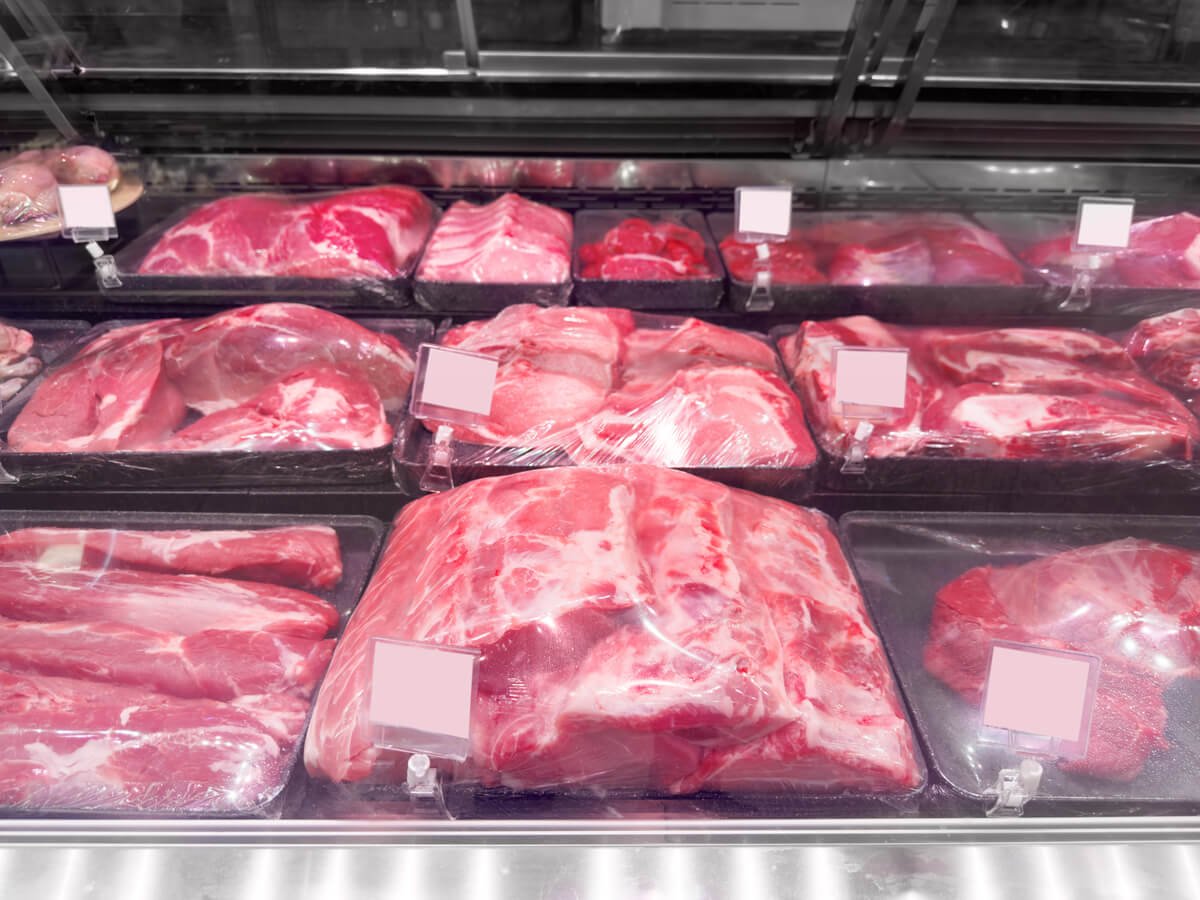
Camel Meat Prices in Kenya: What Influences the Cost of Premium Camel Meat?
Camel meat has become an increasingly popular choice among Kenyan households, restaurants, hotels, caterers, supermarkets, butcheries, and food service businesses. As demand continues to grow, many buyers want to understand why camel meat prices vary and how to identify products that offer genuine value.
While price is always an important consideration, it should never be the only factor when purchasing fresh meat. The quality of livestock, responsible sourcing, hygienic processing, food safety, packaging, transportation, and supplier reliability all influence the overall value customers receive.
Rather than searching for the cheapest option, informed buyers increasingly look for suppliers that consistently provide premium-quality camel meat supported by sustainable production, transparent sourcing, and dependable customer service.
At Soba Renaissance, we are committed to supplying premium fresh camel meat through responsible livestock sourcing, sustainable agricultural practices, integrated farm-to-fork production, rigorous quality assurance, and reliable nationwide distribution. Our focus is on delivering exceptional value through quality, consistency, and professionalism.
This guide explains the factors that influence camel meat prices in Kenya and how to make smarter purchasing decisions.
Why Camel Meat Prices Vary
There is no single price for camel meat across Kenya.
Pricing can vary depending on several factors, including:
- The specific cut of meat.
- Livestock sourcing.
- Processing standards.
- Transportation costs.
- Product availability.
- Supplier quality.
- Market demand.
Understanding these factors helps customers evaluate value rather than focusing solely on cost.
Quality Influences Price
Premium-quality camel meat often requires greater investment throughout production.
Higher-quality products typically involve:
- Responsible livestock sourcing.
- Careful animal management.
- Hygienic processing.
- Professional packaging.
- Reliable cold-chain logistics.
These practices help deliver a superior product while supporting food safety and consistency.
Different Cuts May Have Different Prices
Not every cut of camel meat carries the same value.
Prices may differ depending on:
- Bone-in or boneless products.
- Premium cuts.
- Cooking purpose.
- Portion size.
- Product preparation.
Choosing the right cut depends on your recipe, serving requirements, and budget.
Supply and Demand Affect Market Prices
Like many agricultural products, camel meat prices can fluctuate as market conditions change.
Factors that may influence availability include:
- Consumer demand.
- Seasonal purchasing trends.
- Livestock supply.
- Distribution logistics.
- Production capacity.
Reliable suppliers help customers maintain access to premium products despite changing market conditions.
Transportation and Cold-Chain Costs
Maintaining freshness requires professional logistics.
Reliable suppliers invest in:
- Refrigerated storage.
- Temperature-controlled transportation.
- Careful handling.
- Timely delivery.
- Continuous quality monitoring.
While these systems add operational costs, they also help preserve product quality from source to customer.
Responsible Livestock Sourcing Adds Long-Term Value
Responsible sourcing is an investment in both quality and sustainability.
It supports:
- Healthy livestock.
- Better product consistency.
- Reliable traceability.
- Sustainable agriculture.
- Stronger local farming partnerships.
At Soba Renaissance, responsible sourcing remains central to producing premium camel meat.
Food Safety Should Never Be Compromised
Professional food safety systems contribute to the overall value of premium meat.
Reliable suppliers invest in:
- Hygienic processing.
- Clean production environments.
- Routine quality assurance.
- Professional handling.
- Safe storage procedures.
These systems help protect customers while maintaining product integrity.
Sustainability Creates Lasting Value
Today’s consumers increasingly appreciate businesses that operate responsibly.
At Soba Renaissance, sustainability includes:
- Responsible livestock sourcing.
- Efficient resource management.
- Environmental stewardship.
- Reduced operational waste.
- Continuous improvement.
- Support for Kenyan agriculture.
Responsible production benefits customers, farmers, and the environment alike.
Farm-to-Fork Production Supports Consistency
Managing every stage of production provides greater quality control.
Our farm-to-fork approach supports:
- Product traceability.
- Consistent freshness.
- Reliable quality.
- Food safety.
- Transparent operations.
Integrated production helps ensure customers receive products that justify their investment.
Why Choosing Value Is Better Than Choosing the Lowest Price
The cheapest meat is not always the best value.
Premium camel meat often provides benefits such as:
- Better freshness.
- More consistent quality.
- Professional handling.
- Reliable food safety.
- Greater customer confidence.
Investing in quality helps households and businesses achieve better long-term results.
Why Customers Choose Soba Renaissance
Customers across Kenya trust Soba Renaissance because we consistently provide:
- Premium fresh camel meat.
- Responsible livestock sourcing.
- Sustainable agriculture.
- Hygienic processing.
- Rigorous quality assurance.
- Professional packaging.
- Reliable cold-chain logistics.
- Farm-to-fork production.
- Dependable nationwide supply.
- Exceptional customer service.
These values ensure customers receive outstanding value beyond the purchase price.
Frequently Asked Questions
Why do camel meat prices differ in Kenya?
Prices vary because of factors such as product cuts, livestock sourcing, processing standards, transportation, market demand, packaging, and supplier quality.
Does premium camel meat cost more?
Premium camel meat may cost more because it is supported by responsible sourcing, hygienic processing, professional packaging, food safety systems, and reliable cold-chain logistics that help maintain consistent quality.
Should I buy the cheapest camel meat available?
Price is important, but buyers should also consider freshness, food safety, traceability, supplier reputation, and product consistency to achieve the best overall value.
Why choose Soba Renaissance?
Soba Renaissance combines responsible livestock sourcing, sustainable agricultural practices, hygienic processing, integrated farm-to-fork production, rigorous quality assurance, dependable nationwide distribution, and exceptional customer service to provide premium fresh camel meat throughout Kenya.
Premium Value Beyond the Price Tag
Understanding camel meat prices in Kenya is about more than comparing numbers. True value comes from the quality of the product, the professionalism of the supplier, and the standards maintained throughout the production process. Responsible sourcing, food safety, sustainability, traceability, and dependable distribution all contribute to a better purchasing experience.
At Soba Renaissance, we believe customers deserve more than competitive pricing. They deserve premium fresh camel meat produced through responsible livestock sourcing, sustainable agricultural practices, integrated farm-to-fork production, hygienic processing, rigorous quality assurance, and reliable nationwide supply.
Whether you are purchasing for your family, restaurant, hotel, catering company, supermarket, or retail business, Soba Renaissance provides premium camel meat that delivers exceptional value through quality, consistency, and trust.
Choose Soba Renaissance where sustainability, responsible sourcing, and uncompromising quality make every purchase a worthwhile investment.