

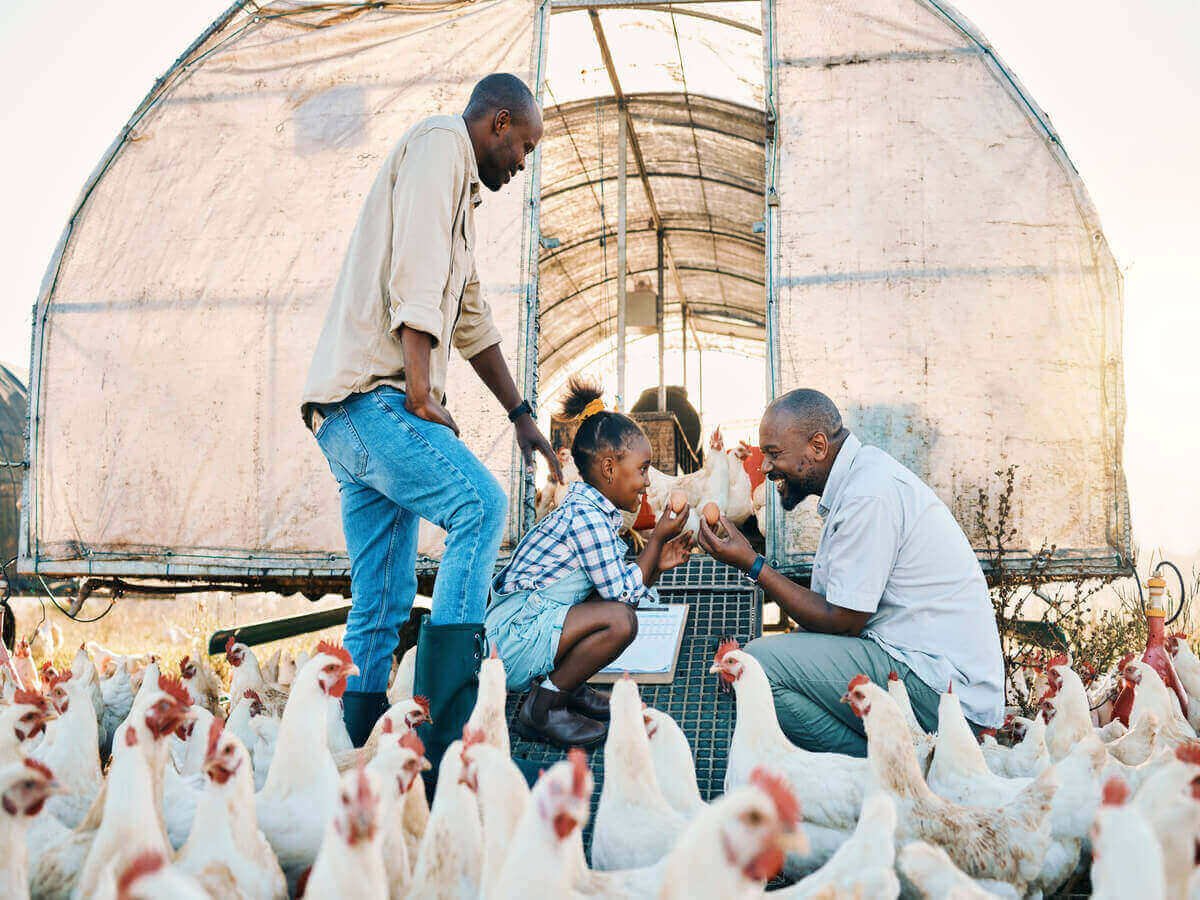
How Kenyan Farmers Raise Healthy Chickens
Healthy chickens are the foundation of every successful poultry farm. Across Kenya, poultry farmers are adopting modern farming techniques and responsible management practices to raise stronger, healthier birds while meeting the growing demand for premium fresh chicken. From small family-owned farms to large commercial operations, the focus is increasingly on producing poultry through sustainable agriculture, high animal welfare standards, and efficient farm management.
Raising healthy chickens is about much more than providing feed. It requires proper housing, balanced nutrition, clean water, effective biosecurity, careful observation, responsible environmental management, and a commitment to continuous improvement throughout the production cycle.
At Soba Renaissance, we believe premium chicken begins with healthy birds. Our farm-to-fork philosophy combines responsible poultry farming, sustainable agricultural practices, rigorous quality assurance, and professional management to ensure every chicken reflects the highest standards of freshness, safety, and quality.
This guide explains how Kenyan farmers raise healthy chickens and why these practices matter for consumers, businesses, and the future of agriculture.
Healthy Chickens Start with Good Planning
Successful poultry farming begins before the first chick arrives.
Farmers carefully plan:
- Poultry housing.
- Feeding programmes.
- Water supply.
- Biosecurity measures.
- Equipment requirements.
- Daily management routines.
Proper planning creates an environment where birds can thrive from the beginning.
Comfortable Housing Promotes Healthy Growth
A clean and comfortable poultry house plays an essential role in maintaining flock health.
Well-managed housing provides:
- Adequate ventilation.
- Dry and clean litter.
- Protection from harsh weather.
- Comfortable stocking densities.
- Good drainage.
- Easy cleaning and maintenance.
Comfortable living conditions reduce stress and support healthy development.
Balanced Nutrition Supports Strong Birds
Nutrition is one of the most important factors in raising healthy chickens.
Responsible poultry farmers focus on:
- Balanced diets.
- Reliable access to clean drinking water.
- Consistent feeding schedules.
- Proper feed storage.
- Efficient feed management.
Good nutrition supports healthy growth, strong immunity, and consistent production.
Clean Water Is Essential
Fresh, clean water is just as important as quality feed.
Farmers ensure that birds have:
- Continuous access to clean water.
- Regularly cleaned drinkers.
- Reliable water supplies.
- Proper water management throughout the day.
Clean water helps maintain bird health and overall wellbeing.
Biosecurity Prevents Problems Before They Start
Preventing disease is always better than treating it.
Effective biosecurity practices include:
- Limiting unnecessary visitors.
- Cleaning and disinfecting equipment.
- Maintaining hygienic poultry houses.
- Monitoring bird health daily.
- Managing waste responsibly.
- Following recommended flock health programmes.
Preventive management supports healthier birds while reducing production risks.
Daily Observation Makes a Difference
Healthy poultry farms rely on regular flock monitoring.
Farmers routinely observe:
- Bird activity.
- Feeding behavior.
- Water consumption.
- General appearance.
- Housing conditions.
- Environmental comfort.
Early identification of changes allows prompt action when necessary.
Responsible Animal Welfare
Healthy birds are the result of responsible care.
Good animal welfare includes:
- Comfortable housing.
- Reduced stress.
- Gentle handling.
- Balanced nutrition.
- Continuous access to water.
- Clean surroundings.
High welfare standards contribute to stronger flocks and premium-quality poultry products.
Sustainable Farming Protects the Future
Modern poultry farming increasingly embraces sustainability.
Responsible farms focus on:
- Efficient water use.
- Responsible waste management.
- Environmental stewardship.
- Resource conservation.
- Continuous operational improvement.
At Soba Renaissance, sustainability is integrated into every stage of production because protecting the environment supports healthier farms and stronger communities.
Food Safety Begins on the Farm
Consumers expect poultry products that are safe and responsibly produced.
Professional poultry farms support food safety through:
- Hygienic farm management.
- Responsible bird handling.
- Quality assurance systems.
- Professional processing.
- Traceability.
- Reliable cold-chain management.
Food safety starts long before chicken reaches the customer’s kitchen.
Continuous Learning Improves Poultry Farming
Successful poultry farmers continue improving their knowledge and management skills.
Continuous learning includes:
- Better poultry management.
- Improved housing techniques.
- Nutrition advancements.
- Biosecurity improvements.
- Sustainable farming methods.
- Agricultural innovation.
Learning helps farmers adapt to changing conditions while maintaining high production standards.
How Soba Renaissance Raises Healthy Chickens
At Soba Renaissance, healthy chickens are the result of responsible farming and continuous improvement.
Our commitment includes:
- Responsible poultry farming.
- Sustainable agriculture.
- Farm-to-fork production.
- High animal welfare standards.
- Balanced flock management.
- Rigorous quality assurance.
- Food safety.
- Professional processing.
- Reliable distribution.
- Customer satisfaction.
These values allow us to consistently deliver premium fresh chicken to households and businesses across Kenya.
Frequently Asked Questions
What helps chickens stay healthy?
Healthy chickens benefit from proper housing, balanced nutrition, clean water, effective biosecurity, responsible animal welfare, good hygiene, and regular monitoring.
Why is biosecurity important?
Biosecurity helps reduce disease risks, supports healthier flocks, improves production consistency, and strengthens food safety throughout the poultry production process.
Why is sustainability important in poultry farming?
Sustainable farming encourages efficient resource management, environmental protection, responsible production, and long-term agricultural resilience.
Why choose Soba Renaissance?
Soba Renaissance combines responsible poultry farming, sustainable agriculture, integrated farm-to-fork production, rigorous quality assurance, food safety, professional processing, and continuous innovation to deliver premium fresh chicken throughout Kenya.
Healthy Chickens Build a Stronger Poultry Industry
Healthy chickens are the result of careful planning, responsible management, and a commitment to doing every stage of poultry farming the right way. From comfortable housing and balanced nutrition to biosecurity, animal welfare, sustainability, and food safety, every decision made on the farm contributes to the quality of the final product.
At Soba Renaissance, we proudly demonstrate these principles through responsible poultry farming, sustainable agricultural practices, integrated farm-to-fork production, rigorous quality assurance, and continuous improvement. Our commitment to raising healthy chickens allows us to deliver premium fresh chicken while supporting Kenya’s growing poultry industry and strengthening the country’s agricultural future.
Whether supplying households, restaurants, hotels, supermarkets, caterers, schools, hospitals, or institutions, Soba Renaissance remains dedicated to producing poultry that reflects quality, responsibility, and trust.
Choose Soba Renaissance where healthy chickens, sustainable farming, and premium fresh poultry come together.