

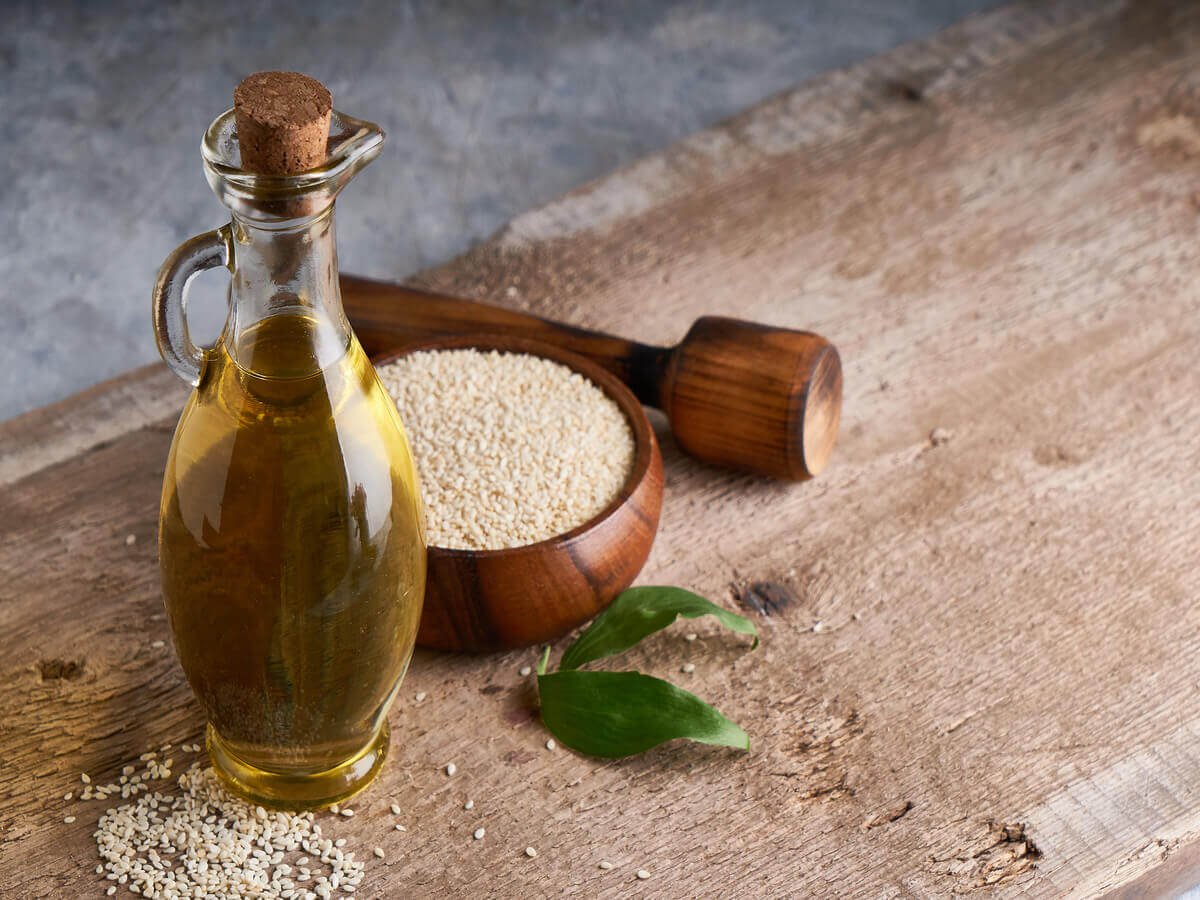
Everything You Need to Know About Organic Sesame Oil
Organic sesame oil has earned a respected place in kitchens around the world, and its popularity continues to grow across Kenya. From home cooks preparing everyday meals to chefs in restaurants, hotels, cafés, and catering businesses, more people are choosing premium organic sesame oil for its versatility, distinctive flavour, and dependable quality.
As interest in sustainably produced foods increases, consumers are also paying closer attention to how their ingredients are sourced, processed, and packaged. They want products that reflect responsible farming, environmental stewardship, and transparent production practices.
Organic sesame oil represents more than just a cooking ingredient it reflects a commitment to quality, sustainability, and thoughtful food production.
At Soba Renaissance, we proudly produce premium organic sesame oil through responsible sourcing, sustainable agricultural practices, integrated farm-to-fork production, and rigorous quality assurance. Every bottle is carefully produced to deliver consistent quality while supporting Kenyan agriculture and responsible environmental management.
This guide covers everything you need to know before choosing organic sesame oil.
What Is Organic Sesame Oil?
Organic sesame oil is produced from carefully selected sesame seeds grown using farming practices that emphasise environmental responsibility and sustainable agriculture.
Its appeal extends beyond cooking because consumers increasingly value products that are produced with:
- Responsible sourcing.
- Sustainable farming.
- Professional quality management.
- Transparent production.
- Long-term environmental stewardship.
Choosing organic sesame oil reflects a preference for responsibly produced food ingredients.
Why Organic Sesame Oil Continues to Grow in Popularity
Across Kenya, more households and businesses are incorporating organic sesame oil into their kitchens.
Its growing popularity is driven by several factors:
- Increasing interest in premium food ingredients.
- Greater awareness of sustainable agriculture.
- Growing appreciation for responsibly produced products.
- Demand for consistent product quality.
- Support for locally produced foods.
Consumers increasingly seek products that align with both quality and sustainability.
The Journey from Seed to Bottle
Producing premium organic sesame oil requires careful oversight throughout every stage of production.
This journey typically includes:
- Responsible seed sourcing.
- Sustainable farming.
- Professional harvesting.
- Careful processing.
- Quality assurance.
- Hygienic packaging.
- Reliable distribution.
Integrated production systems help maintain consistency from beginning to end.
Why Responsible Sourcing Matters
High-quality products begin with responsible sourcing.
Choosing reliable agricultural partners helps support:
- Sustainable farming communities.
- Product consistency.
- Transparent supply chains.
- Responsible production.
- Long-term agricultural resilience.
Responsible sourcing forms the foundation of premium production.
Farm-to-Fork Production Creates Greater Confidence
One of the strengths of Soba Renaissance is our integrated farm-to-fork production model.
By managing every major stage of production, we maintain oversight across:
- Sustainable farming.
- Responsible sourcing.
- Professional processing.
- Rigorous quality assurance.
- Hygienic packaging.
- Nationwide distribution.
This integrated approach supports consistent quality and greater transparency.
Everyday Uses for Organic Sesame Oil
Organic sesame oil is an extremely versatile ingredient suitable for a wide range of culinary applications.
It is commonly used by:
- Families.
- Restaurants.
- Hotels.
- Cafés.
- Bakeries.
- Catering companies.
- Food manufacturers.
- Retail businesses.
Its versatility makes it an important ingredient across Kenya’s food industry.
Packaging Helps Preserve Quality
Professional packaging protects the product throughout storage and transportation.
Quality packaging should be:
- Securely sealed.
- Clearly labelled.
- Hygienically prepared.
- Easy to store.
- Professionally presented.
Proper packaging helps maintain product integrity until it reaches the customer.
Proper Storage Supports Product Quality
Once purchased, proper storage helps preserve the quality of organic sesame oil.
Good storage practices include:
- Keeping the bottle tightly closed.
- Storing it in a cool, dry place.
- Protecting it from direct sunlight.
- Avoiding unnecessary exposure to heat.
- Following the storage guidance on the label.
Correct storage helps maintain product consistency throughout its intended shelf life.
Sustainability Is Part of Modern Food Production
Today’s consumers increasingly support producers that embrace environmentally responsible practices.
Eco-conscious production focuses on:
- Sustainable agriculture.
- Responsible resource management.
- Environmental stewardship.
- Continuous improvement.
- Long-term agricultural resilience.
Supporting sustainable businesses contributes to a stronger future for Kenyan agriculture.
Why Businesses Choose Premium Organic Sesame Oil
Commercial buyers depend on reliable ingredient suppliers.
Hotels, restaurants, cafés, bakeries, food manufacturers, retailers, wholesalers, and distributors value suppliers that consistently provide:
- Reliable quality.
- Professional production.
- Transparent operations.
- Dependable supply.
- Excellent customer support.
Consistency helps businesses maintain their own quality standards.
Why Customers Choose Soba Renaissance
Customers across Kenya trust Soba Renaissance because we consistently provide:
- Premium organic sesame oil.
- Responsible sourcing.
- Sustainable agriculture.
- Integrated farm-to-fork production.
- Rigorous quality assurance.
- Hygienic packaging.
- Transparent operations.
- Reliable nationwide distribution.
- Professional customer service.
- Long-term commitment to environmental sustainability.
These values shape every bottle we produce.
Frequently Asked Questions
What is organic sesame oil?
Organic sesame oil is produced from sesame seeds grown through farming practices that emphasise responsible agriculture, sustainable production, and environmental stewardship.
Why is organic sesame oil becoming more popular?
Consumers increasingly value premium ingredients that reflect responsible sourcing, sustainable farming, consistent quality, and transparent production practices.
How should organic sesame oil be stored?
Store organic sesame oil in a cool, dry place, keep the container tightly sealed, protect it from direct sunlight, and follow the storage recommendations provided on the product label.
Why choose Soba Renaissance?
Soba Renaissance combines responsible sourcing, sustainable agriculture, integrated farm-to-fork production, rigorous quality assurance, professional packaging, and reliable nationwide distribution to produce premium organic sesame oil trusted across Kenya.
Premium Organic Sesame Oil You Can Trust
Organic sesame oil is more than a versatile cooking ingredient it represents thoughtful production, responsible farming, and a commitment to quality throughout every stage of the supply chain. From responsible sourcing and sustainable agriculture to professional processing and careful packaging, every step contributes to the quality found in each bottle.
At Soba Renaissance, we proudly produce premium organic sesame oil through integrated farm-to-fork operations designed to deliver consistency, transparency, and environmental responsibility. Our dedication to sustainable agriculture, rigorous quality assurance, and customer satisfaction has made us a trusted producer for households and businesses throughout Kenya.
Whether you are purchasing for your family, restaurant, hotel, café, bakery, food manufacturing business, supermarket, retailer, or wholesale operation, Soba Renaissance provides premium organic sesame oil produced with care, backed by trusted Kenyan expertise, and supported by a long-term commitment to sustainability.
Choose Soba Renaissance where every bottle reflects quality, responsibility, and the future of sustainable food production in Kenya.