

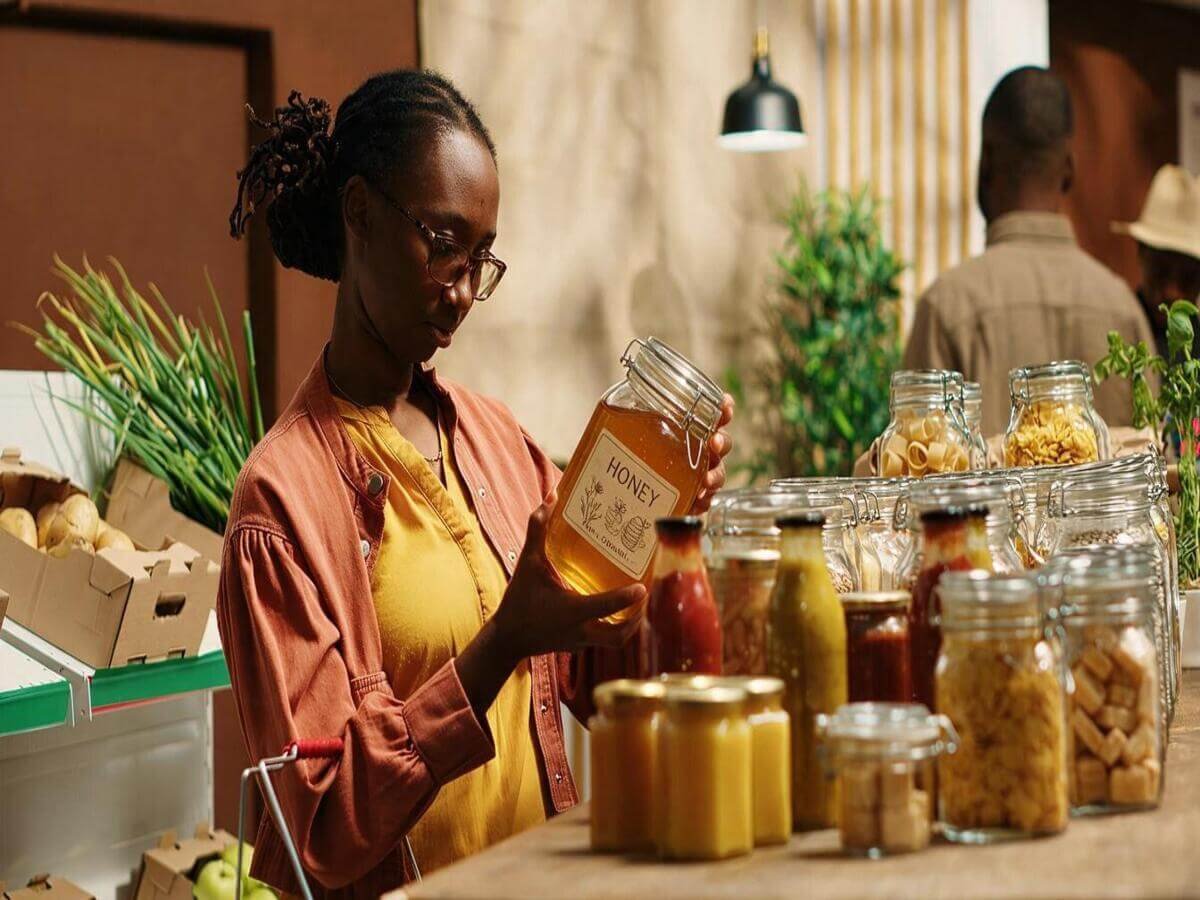
Understanding Honey Labels When Shopping
Shopping for honey has become more than simply choosing the first jar on the shelf. As more Kenyan consumers seek premium organic honey, they are paying closer attention to the information printed on product labels. Understanding what these labels communicate helps buyers make informed purchasing decisions while choosing products from trusted producers.
Whether you are purchasing honey for your family, restaurant, café, hotel, bakery, retail business, supermarket, or food manufacturing operation, reading the label provides valuable insight into the product’s identity, handling recommendations, and the producer behind it.
At Soba Renaissance, transparency is an important part of everything we do. Through responsible beekeeping, sustainable environmental stewardship, integrated farm-to-fork production, and rigorous quality assurance, we ensure our premium organic honey is professionally packaged with clear and informative labelling that helps customers buy with confidence.
This guide explains what you should look for when reading honey labels.
Why Honey Labels Matter
A honey label provides far more than a product name.
It helps consumers understand:
- The product they are purchasing.
- Important storage guidance.
- Product identification.
- Producer information.
- Packaging details.
- Recommended handling information.
Taking a few moments to read the label can help you make a more informed purchase.
Product Name
The product name is one of the first details customers notice.
A clearly identified product name helps distinguish the item from other food products while allowing customers to select the product that best suits their needs.
Professional producers ensure product names are accurate, consistent, and easy to understand.
Ingredient Information
Reading the ingredient information allows customers to understand what the product contains.
For premium organic honey, the ingredient declaration should clearly identify the contents of the package in accordance with applicable labelling requirements.
Clear ingredient information promotes transparency and informed purchasing decisions.
Net Weight
Honey labels normally display the net weight of the product.
This information helps customers:
- Compare different pack sizes.
- Estimate household usage.
- Plan commercial purchases.
- Evaluate value for money.
Net weight is especially useful for restaurants, cafés, hotels, retailers, and food manufacturers purchasing larger quantities.
Packaging and Best Before Information
Many honey products include packaging and best before information on the label.
These details help customers:
- Manage product rotation.
- Follow recommended storage periods.
- Purchase products with confidence.
Always follow the storage guidance provided by the producer.
Storage Instructions
Proper storage helps preserve product quality after purchase.
Honey labels commonly provide guidance such as:
- Store in a cool, dry place.
- Keep the container tightly sealed after opening.
- Protect the product from excessive heat and moisture.
Following these recommendations helps maintain product quality throughout its intended shelf life.
Producer Information
One of the most valuable sections of a honey label identifies the producer.
Buying from a recognised Kenyan producer provides greater confidence in:
- Product quality.
- Responsible beekeeping.
- Sustainable production.
- Quality assurance.
- Customer support.
Knowing who produced your honey helps you choose brands with established reputations.
Packaging Integrity
Before purchasing honey, inspect the container carefully.
Look for packaging that is:
- Properly sealed.
- Clean.
- Free from damage.
- Clearly labelled.
- Professionally presented.
Packaging integrity helps protect product quality during storage, transportation, and retail display.
Traceability Supports Customer Confidence
Modern food production increasingly emphasises traceability.
Professional producers maintain production records that support:
- Product accountability.
- Quality assurance.
- Supply chain transparency.
- Responsible manufacturing.
Traceability reflects a commitment to professionalism and continuous quality improvement.
Transparency Reflects Responsible Production
Consumers increasingly appreciate brands that openly communicate how their products are produced.
At Soba Renaissance, transparency is reflected through:
- Responsible beekeeping.
- Sustainable environmental practices.
- Farm-to-fork production.
- Professional manufacturing.
- Rigorous quality assurance.
Clear product labelling is one way we demonstrate this commitment.
Why Customers Trust Soba Renaissance
Customers throughout Kenya choose Soba Renaissance because we consistently provide:
- Premium organic honey.
- Responsible beekeeping.
- Sustainable environmental stewardship.
- Farm-to-fork production.
- Rigorous quality assurance.
- Hygienic packaging.
- Transparent labelling.
- Reliable nationwide supply.
- Professional customer service.
- Consistent product quality.
These principles help customers purchase with confidence.
Frequently Asked Questions
Why should I read honey labels?
Honey labels provide useful information about the product, storage recommendations, packaging details, producer information, and other important product identification that helps you make informed purchasing decisions.
What should I check before buying honey?
Review the product name, ingredient information, net weight, packaging integrity, storage guidance, packaging or best before information where provided, and the producer’s details.
Why is producer information important?
Producer information allows customers to choose trusted Kenyan brands that demonstrate responsible production, quality assurance, transparency, and dependable customer service.
Why choose Soba Renaissance?
Soba Renaissance combines responsible beekeeping, sustainable environmental stewardship, integrated farm-to-fork production, rigorous quality assurance, professional packaging, transparent labelling, and reliable nationwide supply to produce premium organic honey trusted across Kenya.
Better Shopping Begins with Better Information
Understanding honey labels empowers consumers to make more informed purchasing decisions. By taking a few moments to review the information on every jar, shoppers can better understand the product they are buying, how it should be stored, and the producer behind it.
At Soba Renaissance, we believe informed customers are confident customers. That is why every jar of our premium organic honey reflects our commitment to responsible beekeeping, sustainable environmental stewardship, integrated farm-to-fork production, rigorous quality assurance, and transparent communication.
Whether you are buying honey for your home, restaurant, hotel, café, bakery, retail business, supermarket, or food manufacturing operation, Soba Renaissance delivers premium organic honey backed by trusted Kenyan production and a commitment to quality you can see on every label.
Choose Soba Renaissance where transparency, sustainability, and premium organic honey come together in every jar.