

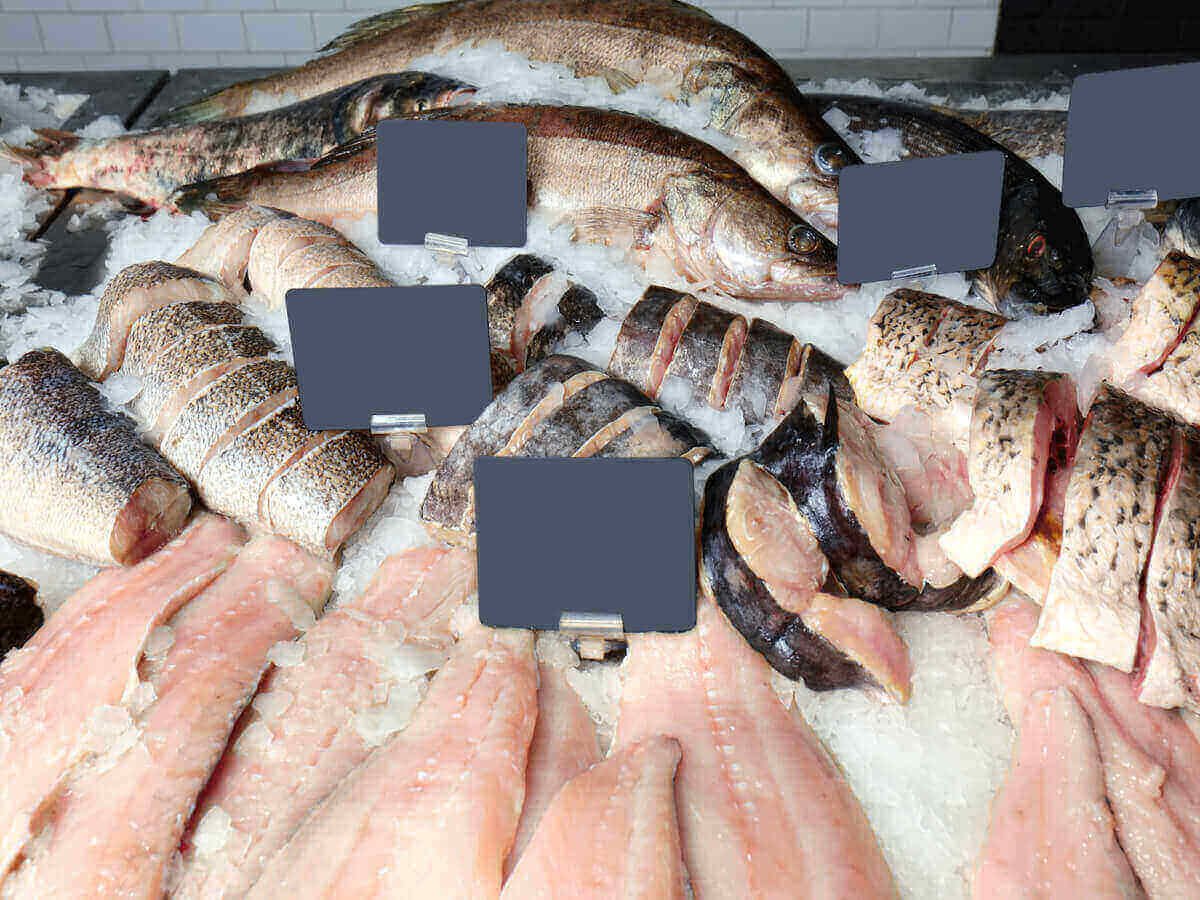
Understanding Fish Labels When Shopping
Buying fresh fish should be a simple and enjoyable experience, but many shoppers overlook one of the most valuable sources of information available the product label. Whether you’re shopping in a supermarket, specialty seafood store, or ordering online, taking a few moments to read the packaging can help you make more informed purchasing decisions.
A fish label does much more than identify the product inside the package. It provides useful information about the fish, how it should be stored, how it has been packaged, and the supplier responsible for delivering it. Understanding these details helps consumers compare products, choose trusted suppliers, and handle seafood correctly after purchase.
As more Kenyan families embrace seafood as part of a healthy lifestyle, shoppers are becoming increasingly interested in quality, transparency, and responsible sourcing. Reading labels is one of the easiest ways to shop with greater confidence.
At Soba Renaissance, we believe customers deserve clear product information backed by responsible sourcing, sustainable seafood partnerships, professional handling, and rigorous quality assurance. Transparency is part of our commitment to delivering premium fresh fish throughout Kenya.
Let’s explore the key information commonly found on fish labels and why it matters.
Why Fish Labels Matter
A properly labelled seafood product helps customers make informed decisions before purchasing.
Fish labels can provide useful information about:
- The type of fish.
- Packaging details.
- Storage recommendations.
- Safe handling guidance.
- Supplier information.
- Product identification.
Rather than relying on appearance alone, shoppers can use labels to better understand the product they are buying.
Product Name and Fish Species
The first thing most shoppers notice is the product name.
This identifies the type of fish inside the package.
Depending on availability, labels may identify products such as:
- Tilapia.
- Nile perch.
- Catfish.
- Whole fish.
- Fish fillets.
- Portion cuts.
Knowing the product helps customers choose seafood that best suits their recipes and cooking preferences.
Packaging Information
Many fish products include packaging details that help identify when the product was prepared or packaged.
This information assists with:
- Stock management.
- Product rotation.
- Purchase planning.
Always follow the recommended storage guidance provided on the packaging after purchase.
Storage Instructions
Proper storage plays an essential role in maintaining seafood quality.
Labels commonly include instructions such as:
- Keep refrigerated.
- Keep frozen where applicable.
- Store under recommended temperatures.
- Follow handling guidance after opening.
Following these recommendations helps preserve freshness and quality.
Safe Handling Guidance
Seafood should always be handled carefully.
Many labels include reminders that encourage good food safety practices, including:
- Washing hands after handling raw fish.
- Preventing cross-contamination.
- Using clean preparation surfaces.
- Cooking appropriately before serving.
These simple practices support safe food preparation at home and in commercial kitchens.
Net Weight Information
Most packaged seafood includes the product’s net weight.
This helps customers:
- Compare different products.
- Estimate serving sizes.
- Plan meals.
- Understand product value.
Weight information is especially useful for families, caterers, restaurants, and hospitality businesses.
Supplier Information
One of the most important sections of any fish label identifies the supplier or producer.
Buying from a trusted supplier provides greater confidence because reputable businesses invest in:
- Responsible sourcing.
- Sustainable seafood partnerships.
- Hygienic processing.
- Quality assurance.
- Professional customer service.
At Soba Renaissance, transparency is central to our relationship with every customer.
Packaging Quality
Before placing packaged fish into your shopping basket, inspect the packaging itself.
Look for packaging that is:
- Properly sealed.
- Clean.
- Undamaged.
- Free from leaks.
- Clearly labelled.
Professional packaging helps protect freshness throughout transportation and storage.
Traceability Supports Quality
Modern seafood supply chains increasingly rely on traceability.
Traceability helps suppliers maintain accurate production and distribution records while supporting:
- Product accountability.
- Quality assurance.
- Responsible sourcing.
- Supply chain transparency.
These systems contribute to greater customer confidence.
Marketing Claims and What They Mean
You may notice various phrases or claims on seafood packaging.
Rather than relying only on promotional wording, consider the supplier’s overall reputation, transparency, and commitment to quality.
The most trustworthy seafood brands consistently demonstrate responsible sourcing, professional handling, and customer-focused service.
Why Customers Trust Soba Renaissance
At Soba Renaissance, we believe transparency builds lasting relationships.
Customers choose us because we provide:
- Premium fresh fish.
- Responsible sourcing.
- Sustainable seafood partnerships.
- Hygienic processing.
- Rigorous quality assurance.
- Reliable cold-chain logistics.
- Professional packaging.
- Transparent product information.
- Dependable delivery.
- Exceptional customer service.
Every label reflects our commitment to quality and customer confidence.
Frequently Asked Questions
Why should I read fish labels?
Fish labels provide useful information about the product, storage recommendations, packaging, supplier details, and safe handling guidance.
What should I check before buying packaged fish?
Review the product name, packaging condition, storage instructions, weight information, supplier details, and handling guidance.
Why is supplier information important?
Knowing the supplier allows customers to choose businesses with strong reputations for quality, responsible sourcing, and food safety.
Why choose Soba Renaissance?
Soba Renaissance combines responsible sourcing, sustainable seafood partnerships, professional handling, rigorous quality assurance, transparent product information, and dependable delivery to provide premium fresh fish throughout Kenya.
Better Shopping Begins with Better Information
Understanding fish labels is one of the simplest ways to become a more confident seafood shopper. Every label provides valuable information that helps you understand the product, store it correctly, and choose suppliers who prioritise quality and transparency.
Taking a few moments to read the packaging before making your purchase can help you select seafood that better meets your expectations while supporting safe handling and proper storage at home.
At Soba Renaissance, we are committed to making every purchase a confident one. Through responsible sourcing, sustainable seafood partnerships, professional handling, rigorous quality assurance, and transparent product information, we provide premium fresh fish that Kenyan families and businesses can trust.
Choose Soba Renaissance for seafood backed by quality, sustainability, and complete transparency from source to table.