

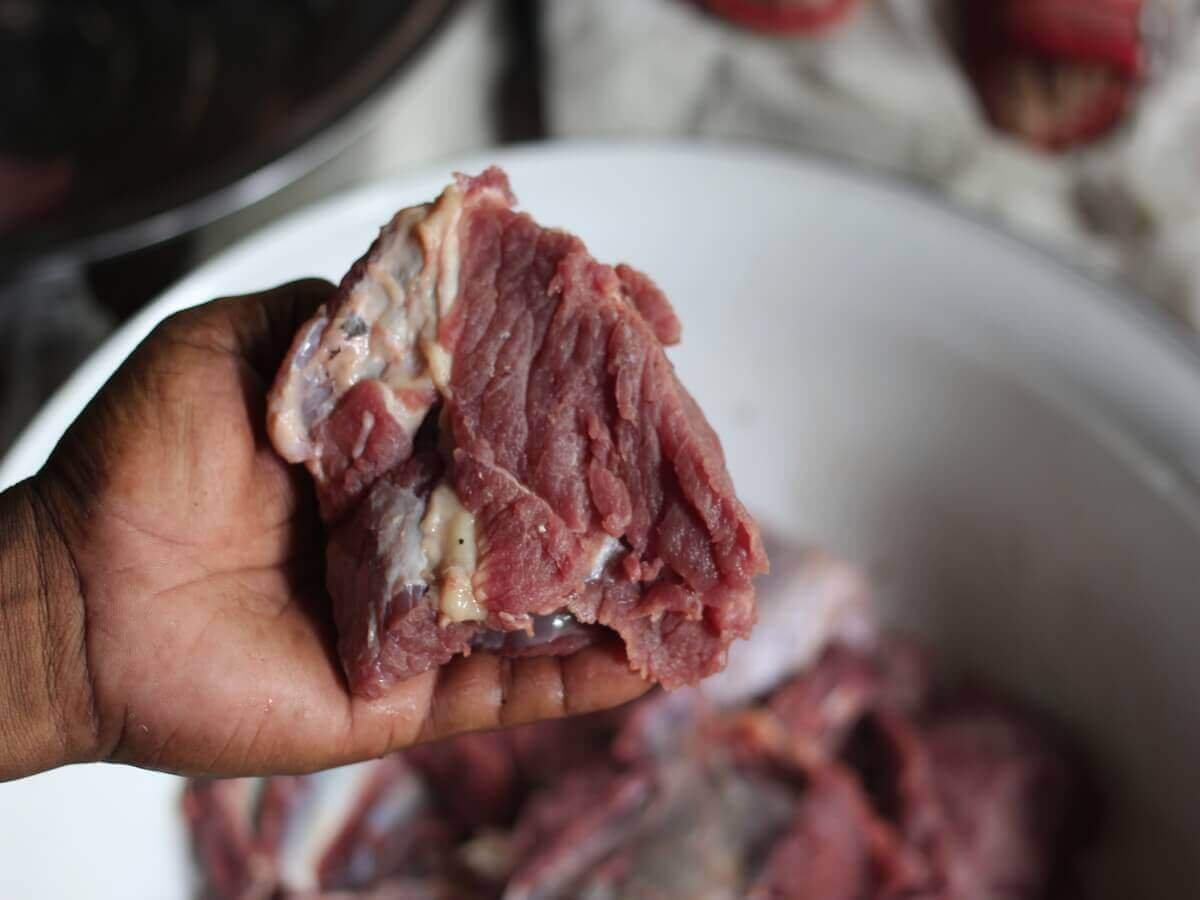
Common Myths About Camel Meat Debunked
Camel meat has been enjoyed for generations across many parts of Africa, the Middle East, and Asia. In Kenya, it has long been an important part of the cuisine in several communities, especially in the country’s northern regions. Today, however, camel meat is finding a wider audience as more people in Nairobi and other urban centers explore new flavours, seek lean protein options, and embrace locally sourced foods.
Despite its growing popularity, camel meat is still surrounded by misconceptions. Some people assume it is difficult to cook, others believe it has an overpowering flavour, while some simply avoid trying it because of outdated myths they have heard over the years.
The reality is that many of these beliefs don’t reflect the experience of people who regularly enjoy high-quality camel meat sourced from trusted suppliers.
At Soba Renaissance, we believe informed customers make confident choices. By combining responsible livestock sourcing, sustainable practices, professional handling, and rigorous quality assurance, we are proud to introduce more Kenyan families and businesses to premium camel meat.
Let’s separate fact from fiction by looking at some of the most common myths.
Myth 1: Camel Meat Has an Extremely Strong Taste
This is probably the most common misconception.
Many first-time buyers expect camel meat to have an overpowering flavour simply because it is different from beef or goat meat.
The Reality
Camel meat has its own distinctive taste, but it is generally described as rich, savoury, and mildly sweet rather than overwhelmingly strong. The exact flavour can vary depending on factors such as the cut, the age of the animal, and the cooking method.
Many people trying camel meat for the first time are pleasantly surprised by how enjoyable and versatile it is.
Myth 2: Camel Meat Is Difficult to Cook
Some people assume camel meat requires complicated preparation or specialised recipes.
The Reality
Camel meat can be prepared using many familiar cooking methods enjoyed in Kenyan homes.
It works well in:
- Stews.
- Pilau.
- Grilled dishes.
- Roasted meals.
- Slow-cooked recipes.
- Barbecue.
Like any meat, choosing the appropriate cut and cooking method helps achieve the best results.
Myth 3: Camel Meat Is Only Eaten in Northern Kenya
Because camel farming is common in northern Kenya, some people believe camel meat is only enjoyed there.
The Reality
Demand for camel meat is growing across the country.
Today, households, restaurants, hotels, and caterers in Nairobi and other towns are increasingly adding camel meat to their menus as consumers become more adventurous and appreciate Kenya’s rich culinary diversity.
Myth 4: Camel Meat Isn’t Nutritious
Another misconception is that camel meat offers fewer nutritional benefits than other red meats.
The Reality
Camel meat naturally contains high-quality protein along with nutrients such as iron, zinc, selenium, phosphorus, vitamin B12, and other B vitamins.
Its exact nutritional composition varies, as with other meats, but it can certainly form part of a balanced diet when consumed as part of an overall healthy eating pattern.
Myth 5: Fresh Camel Meat Is Hard to Find
Years ago, finding quality camel meat outside traditional markets could be challenging.
The Reality
Today, reputable suppliers such as Soba Renaissance make premium camel meat more accessible to households and businesses across Nairobi and Kenya through professional sourcing, hygienic processing, and dependable delivery.
Growing demand has made quality camel meat easier to find than ever before.
Myth 6: Camel Meat Is Always Tough
Some people believe camel meat cannot be tender.
The Reality
Tenderness depends on several factors, including:
- The cut of meat.
- The age of the animal.
- Proper processing.
- Appropriate cooking techniques.
With quality meat and suitable preparation, camel meat can deliver an enjoyable texture in a wide variety of dishes.
Myth 7: Camel Meat Is Only for Traditional Dishes
Camel meat is often associated with traditional recipes, leading some people to think it has limited culinary uses.
The Reality
Modern Kenyan kitchens are finding creative ways to enjoy camel meat.
It can be used in:
- Burgers.
- Stir-fries.
- Wraps.
- Pasta dishes.
- Rice bowls.
- Grilled skewers.
- Family casseroles.
Its versatility makes it suitable for both traditional and contemporary cooking.
Myth 8: Buying Camel Meat Is Risky
Some consumers worry that purchasing camel meat is less reliable than buying other meats.
The Reality
Quality depends on the supplier, not the type of meat.
Choosing a trusted supplier that follows:
- Responsible livestock sourcing.
- Hygienic processing.
- Professional packaging.
- Reliable cold-chain management.
- Rigorous quality assurance.
helps ensure you receive premium-quality camel meat.
Myth 9: Camel Meat Doesn’t Fit Modern Healthy Lifestyles
Some assume camel meat has no place in today’s health-conscious diets.
The Reality
Camel meat is a source of protein and essential nutrients, making it one of many nutritious protein options that can fit into a balanced diet. As with all foods, portion sizes, preparation methods, and overall dietary patterns matter.
Many active individuals and families include camel meat as part of a varied eating plan.
Myth 10: Camel Meat Isn’t Sustainable
Some people assume camel farming cannot contribute to sustainable food production.
The Reality
Sustainability depends on how livestock is raised and how businesses manage their operations.
At Soba Renaissance, sustainability is reflected through:
- Responsible livestock sourcing.
- Support for Kenyan producers.
- Efficient resource management.
- Reduced operational waste.
- Professional cold-chain logistics.
- Continuous improvement.
Responsible production practices help strengthen Kenya’s agricultural future while delivering quality products to consumers.
Why More Kenyans Are Discovering Camel Meat
As food preferences continue to evolve, many Kenyans are becoming more willing to explore traditional foods from different communities.
Camel meat appeals to consumers because it offers:
- A distinctive flavour.
- Culinary versatility.
- High-quality protein.
- Local sourcing opportunities.
- A connection to Kenya’s rich food heritage.
Its growing popularity reflects a broader appreciation for the diversity of Kenyan cuisine.
Why Customers Choose Soba Renaissance
Customers across Nairobi and Kenya trust Soba Renaissance because we provide:
- Premium camel meat.
- Responsible livestock sourcing.
- Sustainable production practices.
- Hygienic processing.
- Professional packaging.
- Reliable cold-chain management.
- Rigorous quality assurance.
- Dependable delivery.
- Transparent customer service.
- Consistent product quality.
Every order reflects our commitment to quality, sustainability, and customer confidence.
Frequently Asked Questions
Does camel meat taste very different from beef?
Camel meat has its own distinctive flavour, but many people describe it as rich and savoury rather than overpowering. Taste also depends on the cut and how it is prepared.
Is camel meat difficult to cook?
No. Camel meat can be prepared using many familiar cooking methods, including grilling, roasting, slow cooking, and stewing.
Can camel meat be part of a balanced diet?
Yes. Camel meat provides protein and several essential nutrients, making it one of many nutritious food choices that can be included in a balanced diet.
Why choose Soba Renaissance?
Soba Renaissance supplies premium camel meat through responsible livestock sourcing, sustainable operations, hygienic processing, professional packaging, rigorous quality assurance, and dependable delivery throughout Kenya.
The Facts Make Every Meal More Enjoyable
Many of the myths surrounding camel meat come from unfamiliarity rather than experience. As more Kenyans discover its rich flavour, versatility, and nutritional value, it is becoming clear that camel meat deserves a place alongside other popular protein choices. Understanding the facts allows you to explore new culinary experiences with confidence and appreciate one of Kenya’s traditional foods in a modern way.
Choosing a trusted supplier is equally important. Quality meat, responsible sourcing, professional handling, and transparent business practices all contribute to a better cooking and dining experience.
At Soba Renaissance, we are proud to help more households, restaurants, hotels, and retailers discover premium camel meat through sustainable operations, rigorous quality assurance, and dependable service across Nairobi and Kenya.
Choose Soba Renaissance and experience premium camel meat backed by quality, integrity, and a genuine commitment to responsible food production.