

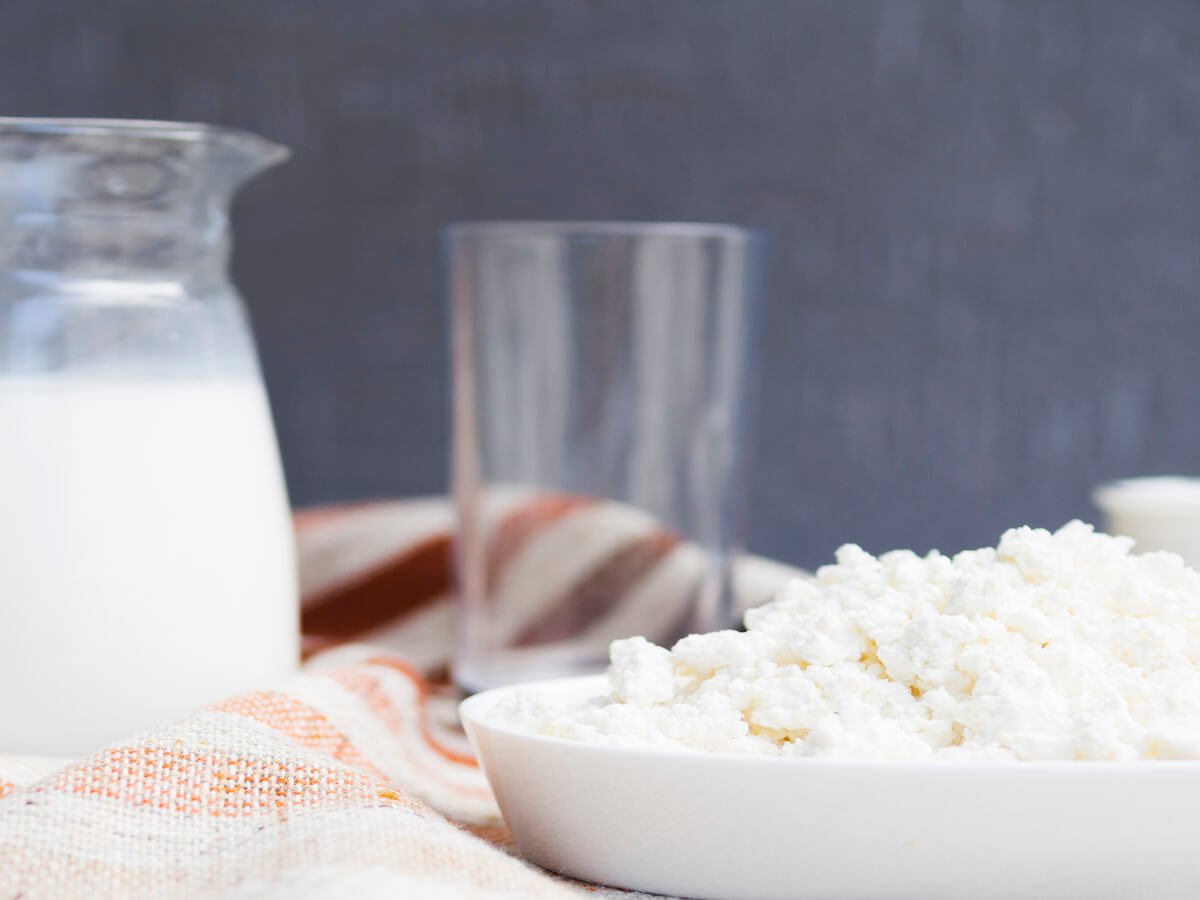
How White Cheese Is Made: From Fresh Milk to Your Table
Have you ever opened a pack of fresh White Cheese and wondered how it made its way to your breakfast table?
Most of us simply enjoy the creamy texture and mild flavour without thinking about the journey behind every slice or crumble. Yet producing quality White Cheese is a careful process that combines fresh milk, skilled craftsmanship, strict hygiene, and modern food safety practices.
As Kenyan consumers become more interested in where their food comes from, there’s a growing appreciation for products that are made with transparency and care. People want to know that the dairy products they buy have been handled responsibly from the very beginning.
At Soba Renaissance, we believe every great dairy product tells a story. From sourcing quality milk to maintaining reliable cold-chain management throughout distribution, every step matters in delivering premium White Cheese to homes and businesses across Nairobi and Kenya.
Let’s follow the journey from fresh milk to your table.
It All Begins with Fresh Milk
Every quality cheese starts with one essential ingredient fresh milk.
The quality of the finished cheese depends heavily on the quality of the milk used at the very beginning of the process.
Milk intended for cheese production should be:
- Fresh.
- Carefully handled.
- Hygienically collected.
- Properly refrigerated.
- Transported under controlled conditions.
Starting with high-quality milk helps create a cheese with better flavour, texture, and consistency.
Careful Quality Checks
Before production begins, the milk undergoes quality checks to ensure it meets appropriate standards for processing.
These checks help producers verify that the milk is suitable for making premium dairy products while supporting food safety and consistent quality.
Attention to detail at this stage lays the foundation for an excellent final product.
Transforming Milk into Cheese
Once prepared for production, the milk is carefully processed using traditional cheesemaking principles combined with modern food production techniques.
Natural ingredients used in cheesemaking encourage the milk to separate into solid curds and liquid whey.
This transformation is one of the most fascinating stages in the entire process.
It’s the moment fresh milk begins its journey toward becoming White Cheese.
Forming the Curds
After the milk separates, the curds are carefully handled to achieve the desired texture.
The way the curds are managed influences qualities such as:
- Softness.
- Creaminess.
- Moisture.
- Consistency.
Different styles of White Cheese may vary slightly, but careful handling remains essential for producing a high-quality product.
Shaping and Preparing the Cheese
Once the curds reach the desired consistency, the cheese is shaped into forms suitable for packaging and distribution.
At this stage, producers focus on creating a product that is:
- Uniform.
- Fresh.
- Easy to portion.
- Visually appealing.
Professional handling helps maintain the smooth texture customers expect.
Hygiene Every Step of the Way
Clean production environments play a critical role in producing quality dairy products.
Throughout the cheesemaking process, attention is given to:
- Clean equipment.
- Hygienic facilities.
- Safe food handling.
- Careful packaging practices.
- Product protection.
These measures help preserve freshness while supporting consumer confidence.
Packaging That Protects Freshness
Packaging is about much more than presentation.
Well-designed packaging helps protect White Cheese during:
- Storage.
- Transportation.
- Retail display.
- Delivery.
- Home refrigeration.
Professionally sealed packaging also helps preserve flavour and texture while reducing unnecessary exposure to the environment.
The Importance of Cold-Chain Management
Fresh White Cheese requires proper refrigeration throughout its journey.
Maintaining the correct temperature helps preserve:
- Freshness.
- Texture.
- Flavour.
- Product quality.
Reliable cold-chain management is one of the most important investments made by professional dairy suppliers.
Without it, even the highest-quality cheese can lose the characteristics that make it enjoyable.
From Production to Kenyan Homes
After packaging, White Cheese begins the final stage of its journey.
It is carefully distributed to:
- Households.
- Restaurants.
- Cafés.
- Hotels.
- Supermarkets.
- Retail stores.
- Food service businesses.
Professional logistics ensure customers receive products in excellent condition.
Why Traceability Matters
Modern consumers increasingly want to know where their food comes from.
Traceability allows producers to monitor products throughout the supply chain and reinforces confidence in quality management.
Choosing suppliers who value transparency gives customers greater peace of mind when purchasing specialty dairy products.
Why More Customers Choose Soba Renaissance
At Soba Renaissance, quality isn’t left to chance.
Our approach focuses on every stage of the journey, from sourcing quality dairy products to ensuring they reach customers fresh and professionally handled.
Customers across Nairobi and Kenya choose Soba Renaissance because we provide:
- Premium Fresh White Cheese.
- Authentic specialty dairy products.
- Reliable cold-chain management.
- Hygienic packaging.
- Consistent freshness.
- Professional customer service.
- Dependable supply for households, restaurants, cafés, hotels, supermarkets, retailers, and food businesses.
Every product reflects our commitment to quality, reliability, and customer satisfaction.
Appreciating the Journey Behind Every Bite
The next time you enjoy White Cheese with chapati, fresh bread, vegetables, or your favourite meal, take a moment to appreciate everything that happened before it reached your plate.
Behind every serving is a carefully managed journey involving fresh milk, skilled production, hygienic handling, secure packaging, reliable refrigeration, and dedicated professionals working to preserve quality at every step.
Understanding this journey makes every bite even more meaningful.
Frequently Asked Questions
What is White Cheese made from?
White Cheese is made from fresh milk that is carefully processed using cheesemaking techniques to create its mild flavour and creamy texture.
Why is refrigeration important for White Cheese?
Proper refrigeration helps preserve freshness, flavour, texture, and overall product quality from production through to the consumer.
How is White Cheese packaged?
White Cheese is professionally packaged in sealed containers designed to protect freshness during storage, transport, retail display, and home use.
Where can I buy premium White Cheese in Nairobi?
Soba Renaissance supplies premium Fresh White Cheese to households and businesses across Nairobi and Kenya, offering dependable quality, freshness, and professional service.
From the Dairy to Your Dining Table
Every piece of Fresh White Cheese has a story that begins long before it reaches your kitchen. From carefully selected fresh milk and skilled cheesemaking to hygienic production, secure packaging, and dependable cold-chain management, every stage plays a role in creating the creamy texture and fresh flavour that people enjoy every day.
As more Kenyans become interested in knowing where their food comes from, choosing products that are handled with care has never been more important. Understanding the journey behind White Cheese helps build confidence in the quality of the food you serve to your family, guests, or customers.
At Soba Renaissance, we’re proud to bring premium Fresh White Cheese to homes, cafés, restaurants, hotels, supermarkets, retailers, and food businesses throughout Nairobi and Kenya. Through careful sourcing, professional handling, reliable refrigeration, and an unwavering commitment to quality, we’re making sure every pack of White Cheese arrives fresh, delicious, and ready to enjoy.
Because great cheese isn’t just made it is carefully cared for every step of the way.