

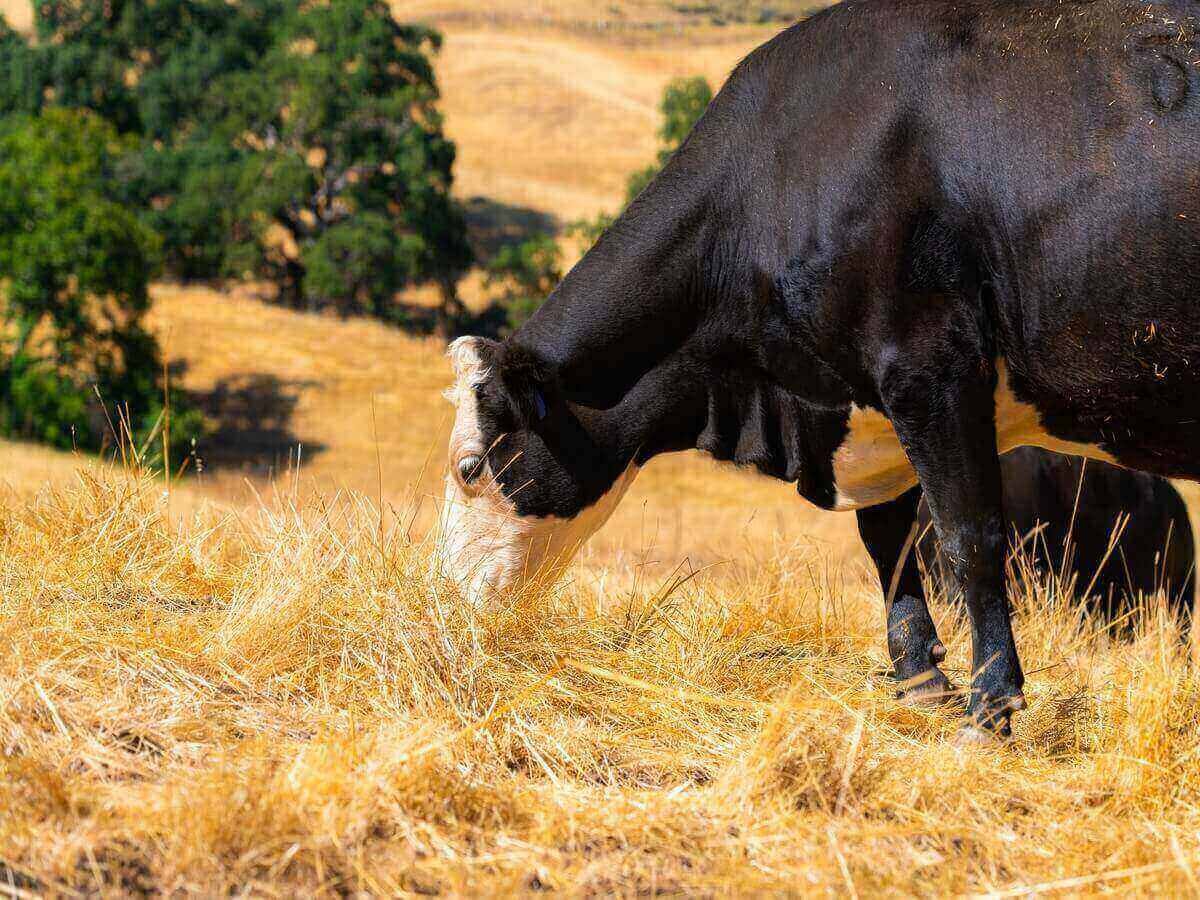
Why Sustainable Livestock Farming Benefits Everyone
When you buy fresh beef for dinner, sustainability probably isn’t the first thing on your mind.
You’re more likely to be thinking about whether the meat is fresh, which cut is best for beef stew, or whether the nyama choma will be ready before your guests arrive. That’s perfectly normal after all, good food brings people together.
But behind every delicious meal is a much bigger story.
It’s a story about farmers caring for livestock, transporters moving products across the country, processors maintaining food safety standards, retailers serving local communities, and families choosing to support Kenyan businesses.
This is where sustainable livestock farming comes in.
Sustainability isn’t just about protecting the environment. It’s about building farming systems that can continue supporting people, businesses, and communities for generations to come.
At Soba Renaissance, we believe that responsible sourcing and strong local partnerships help create a future where Kenyan agriculture continues to thrive while delivering premium fresh beef to homes and businesses across Nairobi and the rest of the country.
What Does Sustainable Livestock Farming Mean?
Sustainable livestock farming is an approach that balances today’s food needs with the long-term wellbeing of farming communities, natural resources, and the broader agricultural sector.
Rather than focusing on one aspect of farming, sustainability considers how different practices work together to create resilient and productive livestock systems.
This can include:
- Responsible livestock management.
- Efficient use of available resources.
- Good animal husbandry.
- Professional farm planning.
- Long-term agricultural development.
- Strong local supply chains.
- Continuous improvement through learning and innovation.
The goal is to support farming systems that remain productive and dependable over time.
Sustainable Farming Starts with People
One of the biggest misconceptions about sustainability is that it’s only about land or the environment.
In reality, it starts with people.
Behind every successful livestock farm are individuals and families who invest time, knowledge, and hard work into raising cattle and managing their farms responsibly.
Sustainable farming supports:
- Farming households.
- Agricultural workers.
- Veterinary professionals.
- Local entrepreneurs.
- Rural businesses.
- Young people entering agriculture.
- Future generations of farmers.
When farming communities thrive, the entire country benefits.
Supporting Kenyan Farmers Strengthens Local Communities
Across Kenya, livestock farming provides livelihoods for thousands of families.
From Kajiado and Narok to Laikipia, Nakuru, Uasin Gishu, Baringo, and many other counties, cattle farming contributes to local economies in meaningful ways.
Supporting sustainable livestock farming helps create opportunities for:
- Community employment.
- Small businesses.
- Agricultural services.
- Transport providers.
- Local markets.
- Food suppliers.
- Hospitality businesses.
Every locally sourced purchase helps keep these economic connections strong.
Sustainability Supports Reliable Food Supply
Every family wants confidence that fresh food will continue to be available tomorrow, next month, and for years to come.
Strong livestock systems contribute to dependable food supply chains by supporting:
- Local production.
- Reliable sourcing.
- Professional processing.
- Cold-chain logistics.
- Consistent deliveries.
These elements help connect rural producers with consumers throughout Nairobi and across Kenya.
Why More Consumers Care About Responsible Sourcing
Today’s shoppers are more informed than ever before.
Many people now ask questions such as:
- Where did this beef come from?
- Is the supplier reliable?
- Does the business support Kenyan farmers?
- Is the product responsibly sourced?
- Can I trust the quality?
These questions reflect a growing interest in supporting businesses that value transparency, professionalism, and long-term relationships.
Local Purchases Have a Bigger Impact Than You Think
Buying locally sourced beef doesn’t only support the person selling it.
Your purchase also benefits:
- Livestock farmers.
- Veterinary professionals.
- Feed suppliers.
- Refrigerated transport providers.
- Meat processors.
- Supermarkets.
- Local butcheries.
- Restaurants.
- Catering companies.
One purchase creates opportunities across the entire livestock value chain.
Kenya’s Favourite Meals Depend on Strong Farming Systems
Think about the dishes that bring Kenyans together:
- Nyama choma on a sunny weekend.
- Beef stew with ugali after work.
- Beef pilau at weddings.
- Wet fry served with chapati.
- Beef curry shared with family.
- Beef biryani during celebrations.
These meals are possible because thousands of people work every day to keep Kenya’s livestock industry moving.
Sustainable farming helps support that journey.
Innovation Is Helping Build a Better Future
Sustainability doesn’t mean rejecting new ideas.
Across Kenya, many farmers are embracing better planning, improved farm management, stronger record keeping, professional veterinary support, and more efficient resource use.
These improvements help strengthen livestock production while supporting long-term agricultural development.
The future of Kenyan farming is built on combining experience with continuous improvement.
Why More Customers Choose Soba Renaissance
At Soba Renaissance, we understand that every quality cut of beef represents the hard work of many people throughout the supply chain.
That’s why we proudly work with trusted local suppliers who share our commitment to responsible sourcing, professionalism, and consistent quality.
Customers across Nairobi and Kenya choose Soba Renaissance because we provide:
- Premium fresh beef.
- Responsibly sourced products.
- Strong support for Kenyan supply chains.
- Hygienic processing.
- Reliable cold-chain management.
- Dependable deliveries.
- Strict food safety standards.
- Consistent product quality.
- Professional customer service.
- Fresh beef for households, restaurants, hotels, supermarkets, and catering businesses.
Our commitment goes beyond supplying beef we’re proud to support the people and partnerships that help keep Kenya’s livestock industry strong.
Frequently Asked Questions
What is sustainable livestock farming?
Sustainable livestock farming is an approach that aims to support long-term agricultural productivity by combining responsible livestock management, efficient resource use, strong farming communities, and resilient food supply systems.
Why does sustainable farming matter?
Sustainable farming helps support local food production, farming communities, responsible resource management, and long-term agricultural development.
Why should I buy locally sourced beef?
Buying locally sourced beef supports Kenyan farmers, strengthens local businesses, creates employment opportunities, and contributes to Kenya’s agricultural economy.
Why choose Soba Renaissance?
Soba Renaissance supplies premium fresh beef through responsible sourcing, hygienic processing, dependable cold-chain management, and reliable delivery while supporting trusted local supply chains across Kenya.
Building a Stronger Kenya Starts with Everyday Choices
Every time you buy fresh beef, you’re making more than a shopping decision.
You’re supporting Kenyan farmers who wake up early to care for their livestock. You’re contributing to rural communities that depend on agriculture. You’re helping transport companies, processors, retailers, restaurants, and countless small businesses continue serving families across the country.
Sustainable livestock farming is about ensuring that this entire system remains strong, resilient, and capable of supporting future generations.
At Soba Renaissance, we’re proud to play our role by connecting trusted local supply chains with homes and businesses across Nairobi and Kenya. Through responsible sourcing, dependable service, and a commitment to quality, we help bring premium fresh beef to your table while supporting the people who make it possible.
Because sustainability isn’t only about tomorrow it’s about making better choices today that continue benefiting farmers, communities, businesses, and families for years to come.