

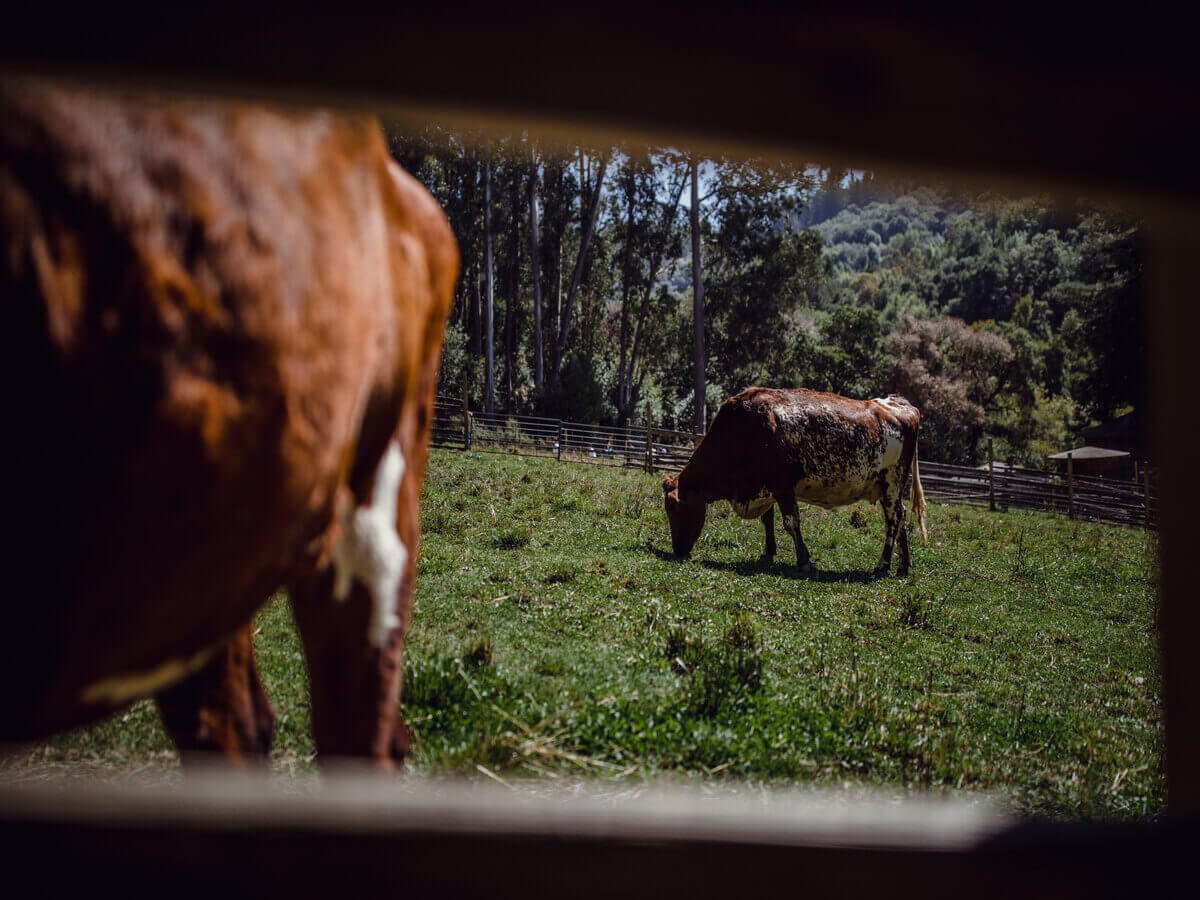
How Proper Feeding Improves Beef Quality: Why Nutrition Matters from Farm to Table
When you enjoy a delicious serving of beef stew, tuck into a plate of beef pilau, or gather with friends for a weekend nyama choma, it’s easy to focus on the flavour, tenderness, and freshness of the meat.
What most people don’t see is the months of work that happen before the beef ever reaches the butcher’s counter.
Behind every quality cut of beef is a long chain of decisions made by livestock farmers, veterinarians, nutrition specialists, transport teams, processors, and suppliers. One of the most important parts of that journey is how cattle are fed and managed throughout their lives.
Proper feeding isn’t simply about giving animals enough food. It’s about supporting healthy livestock management through balanced nutrition, good planning, and responsible farming practices.
At Soba Renaissance, we believe premium fresh beef starts long before it reaches your kitchen. By working with trusted local supply chains that value responsible livestock management, we help bring quality beef to homes and businesses across Nairobi and Kenya.
Why Nutrition Is an Important Part of Beef Production
Just like people, cattle need appropriate nutrition to support normal growth, health, and day-to-day wellbeing.
Responsible livestock feeding programmes are designed to provide balanced diets that meet the animals’ nutritional needs at different stages of development.
Good feeding is one element of a broader livestock management system that also includes:
- Access to clean water.
- Good husbandry practices.
- Veterinary care when required.
- Suitable housing or grazing conditions where appropriate.
- Proper herd management.
Together, these practices contribute to well-managed cattle production systems.
A Balanced Feeding Programme Matters
Modern cattle farming is carefully planned.
Farmers work to provide diets that are appropriate for the age, size, and production stage of their animals. Depending on the farming system and local conditions, feeding programmes may include a combination of:
- Natural pasture and grazing.
- Conserved forage such as hay or silage.
- Commercially formulated feeds.
- Nutrient-rich supplements where appropriate.
- Reliable access to clean drinking water.
The exact approach varies from one farm to another, but the objective is the same supporting healthy livestock through sound nutritional management.
Proper Feeding Is Part of Responsible Farming
Nutrition doesn’t work in isolation.
Successful cattle farming combines feeding with other responsible practices such as:
- Regular herd observation.
- Clean feeding areas.
- Planned grazing where applicable.
- Disease prevention programmes.
- Record keeping.
- Professional veterinary support.
When these elements work together, farmers are better equipped to manage their herds effectively.
Why Planning Makes a Difference
Feeding cattle isn’t simply a daily routine it requires preparation throughout the year.
Farmers often plan ahead for:
- Seasonal changes.
- Dry periods.
- Forage availability.
- Water resources.
- Feed storage.
- Herd requirements.
Good planning helps farms remain organised and better prepared for changing conditions.
From Healthy Herds to Trusted Supply Chains
Consumers may never visit the farms where their beef originates, but they benefit from the work done there.
Responsible livestock management contributes to dependable supply chains that connect:
- Farmers.
- Veterinary professionals.
- Feed suppliers.
- Transport companies.
- Processing facilities.
- Retailers.
- Restaurants.
- Families.
Each link in this chain plays a role in delivering fresh beef to customers.
Why Kenyan Consumers Care About Farming Practices
Today’s shoppers are becoming more interested in the story behind their food.
Many people now ask:
- Where was this beef produced?
- Can I trust the supplier?
- Is the sourcing responsible?
- Has the product been professionally handled?
- Does buying local support Kenyan farmers?
Choosing a trusted supplier provides confidence that quality standards have been prioritised throughout the supply chain.
Local Beef Supports Local Communities
Every purchase of locally sourced beef benefits more than the person preparing dinner.
It also supports:
- Kenyan livestock farmers.
- Feed suppliers.
- Veterinary professionals.
- Rural businesses.
- Refrigerated transport companies.
- Meat processors.
- Retailers.
- Hotels and restaurants.
- Catering businesses.
Buying local helps strengthen Kenya’s agricultural economy while supporting thousands of livelihoods.
Kenya’s Favourite Meals Begin Long Before the Kitchen
Across Kenya, beef brings people together.
Whether it’s:
- Beef stew with ugali.
- Nyama choma shared with friends.
- Beef pilau during celebrations.
- Wet fry served with chapati.
- Beef curry on a family weekend.
- Homemade burgers or meatballs.
Every memorable meal starts with a supply chain built on planning, professionalism, and responsible livestock management.
Why More Customers Choose Soba Renaissance
At Soba Renaissance, we understand that quality beef is the result of many people doing their jobs well from the farm to the final delivery.
That’s why we work with trusted local supply chains while maintaining high standards throughout every stage of our operations.
Customers across Nairobi and Kenya choose us because we provide:
- Premium fresh beef.
- Responsibly sourced products.
- Hygienic processing.
- Reliable cold-chain management.
- Dependable deliveries.
- Strict food safety standards.
- Consistent product quality.
- Professional customer service.
- Strong partnerships with Kenyan suppliers.
- Fresh beef for households, restaurants, hotels, supermarkets, and catering businesses.
Our commitment is simple: delivering premium beef you can trust.
Frequently Asked Questions
Why is proper feeding important in cattle farming?
Proper feeding is an important part of responsible livestock management. Balanced nutrition supports normal growth and wellbeing as part of an overall farming programme that also includes good husbandry, access to water, and veterinary care when needed.
Does cattle nutrition affect beef production?
Nutrition is one of several factors involved in livestock production, alongside genetics, husbandry practices, herd management, animal health, and professional processing.
Why should I buy locally sourced beef?
Buying locally sourced beef supports Kenyan farmers, strengthens local businesses, promotes agricultural development, and contributes to resilient food supply chains.
Why choose Soba Renaissance?
Soba Renaissance supplies premium fresh beef through responsible sourcing, hygienic processing, reliable cold-chain management, and dependable delivery across Nairobi and Kenya.
Quality Begins with Care at Every Stage
The next time you’re shopping for fresh beef, remember that great meals don’t begin at the butcher’s counter they begin months earlier with careful planning, responsible livestock management, and dedicated farmers who work every day to care for their herds.
Proper feeding is one important part of that bigger picture. Alongside good husbandry, veterinary care, professional processing, and reliable cold-chain management, it helps build the strong supply chains that bring fresh beef to homes and businesses across Kenya.
At Soba Renaissance, we’re proud to support that journey. Through trusted local partnerships, responsible sourcing, and a commitment to consistent quality, we help connect Kenyan farms with Kenyan tables.
Because every delicious plate of beef stew, every perfectly grilled nyama choma, and every family celebration starts with people who care about doing things well from the very beginning.