

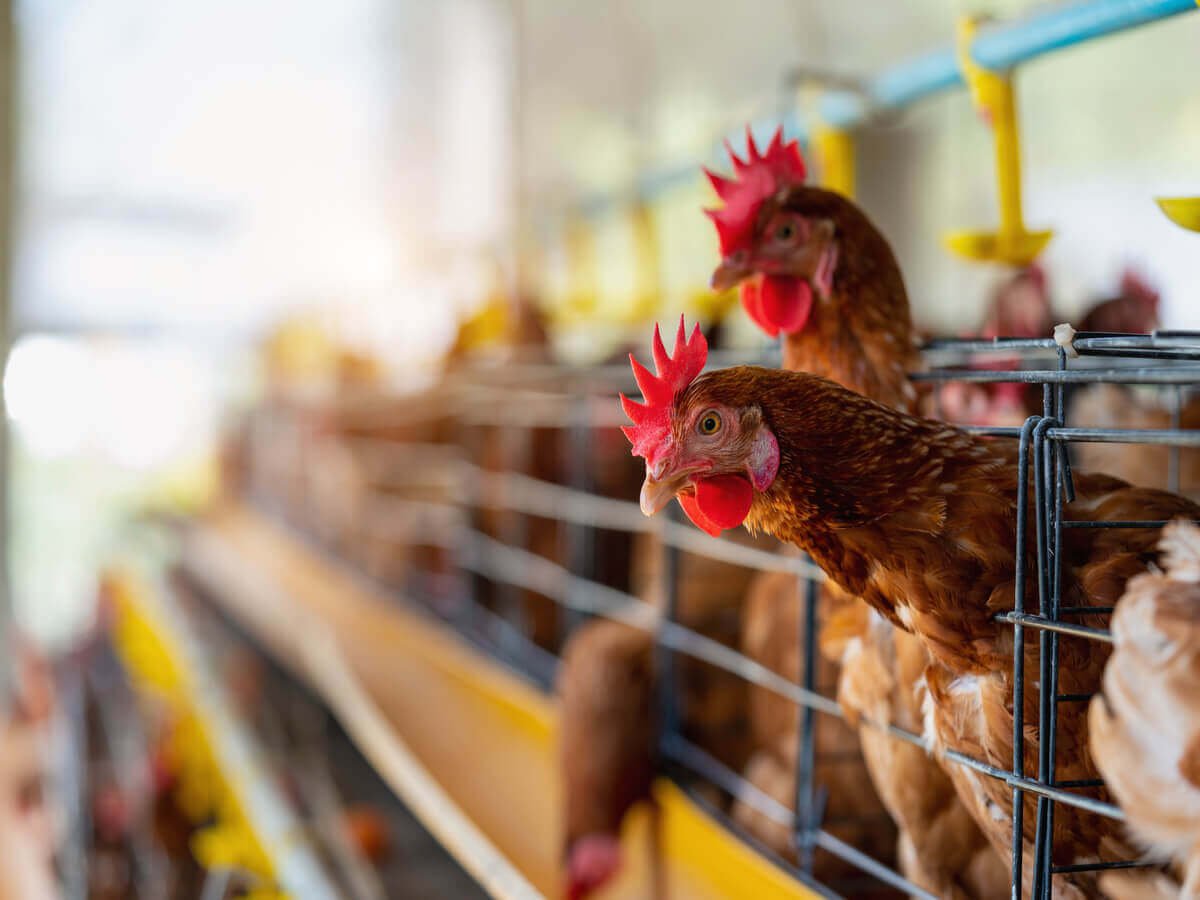
Chicken Farm Management Best Practices in Kenya
Successful poultry farming is built on more than raising healthy chickens. Behind every productive poultry farm is an effective management system that ensures every aspect of production is carefully planned, monitored, and continuously improved. From daily flock care to long-term operational planning, good management creates the consistency needed to produce high-quality poultry while maintaining food safety and sustainability.
As Kenya’s demand for premium fresh chicken continues to grow, poultry farmers are increasingly adopting structured management practices that improve efficiency, strengthen animal welfare, and support reliable production. Whether supplying households, restaurants, hotels, retailers, or institutions, professionally managed farms are better equipped to meet customer expectations.
At Soba Renaissance, effective farm management is central to our integrated farm-to-table production model. Through responsible poultry farming, quality assurance, and continuous innovation, we maintain high operational standards that allow us to deliver premium fresh chicken across Kenya.
The following best practices demonstrate how strong management contributes to healthier flocks, efficient operations, and long-term success.
Develop a Clear Farm Management Plan
Every successful poultry farm begins with a well-defined management strategy.
A comprehensive plan should include:
- Production schedules
- Housing preparation
- Feed management
- Water supply planning
- Biosecurity procedures
- Equipment maintenance
- Staff responsibilities
Careful planning helps farms operate efficiently while reducing unnecessary disruptions.
Build Strong Daily Management Routines
Consistency is one of the most valuable tools in poultry farming.
Daily management activities typically include:
- Inspecting poultry houses
- Monitoring bird behavior
- Checking feed availability
- Confirming clean water supply
- Maintaining hygiene standards
- Recording important observations
Routine management allows small issues to be identified before they become larger operational challenges.
Prioritise Flock Health
Healthy birds are the foundation of quality poultry production.
Responsible flock management focuses on:
- Comfortable housing
- Balanced nutrition
- Continuous access to clean water
- Good ventilation
- Clean environments
- Regular observation
At Soba Renaissance, maintaining healthy flocks is essential to producing premium fresh chicken that meets the highest standards.
Implement Strong Biosecurity Measures
Biosecurity protects poultry farms by reducing the risk of disease and supporting long-term productivity.
Key biosecurity practices include:
- Controlled access to farm facilities
- Cleaning and disinfecting equipment
- Maintaining sanitary working environments
- Monitoring flock health
- Following responsible farm protocols
Effective biosecurity strengthens farm resilience and supports consistent production.
Invest in Staff Training
A well-managed poultry farm depends on knowledgeable and committed personnel.
Regular staff development helps improve:
- Animal handling
- Hygiene procedures
- Farm safety
- Equipment operation
- Record keeping
- Quality control
Continuous learning contributes to higher production standards and better farm performance.
Use Farm Records to Guide Decisions
Good management relies on accurate information.
Maintaining detailed records allows farmers to monitor:
- Feed consumption
- Water usage
- Bird numbers
- Growth performance
- Operational expenses
- Production trends
Data-driven decisions help improve efficiency and identify opportunities for continuous improvement.
Maintain Equipment and Infrastructure
Reliable equipment supports smooth farm operations.
Routine maintenance should include:
- Poultry housing
- Feeding systems
- Water supply equipment
- Ventilation systems
- Storage facilities
- Farm vehicles and transport equipment
Preventive maintenance reduces downtime and supports efficient poultry production.
Embrace Sustainable Farm Management
Sustainability is becoming an essential part of modern poultry farming.
Responsible farms focus on:
- Efficient resource use
- Water conservation
- Waste management
- Energy efficiency
- Long-term planning
- Environmental responsibility
At Soba Renaissance, sustainable management helps strengthen our operations while supporting Kenya’s agricultural future.
Deliver Quality Through Integrated Farm-to-Table Operations
Excellent farm management extends beyond poultry houses.
Our integrated farm-to-table model includes:
- Responsible poultry farming
- Quality assurance
- Hygienic processing
- Safe packaging
- Cold-chain distribution
- Reliable customer service
This coordinated approach helps preserve freshness and consistency from the farm to the customer.
Why Soba Renaissance Sets the Standard in Poultry Farm Management
Our operations are guided by a commitment to professionalism, responsibility, and continuous improvement.
We invest in:
- Responsible poultry farming
- Professional farm management
- Sustainable agriculture
- Modern poultry housing
- Balanced poultry nutrition
- Strong biosecurity systems
- Food safety and quality assurance
- Integrated farm-to-table production
- Reliable nationwide distribution
- Premium fresh chicken production
These practices allow Soba Renaissance to consistently meet the needs of households and commercial customers across Kenya.
Frequently Asked Questions
Why is farm management important in poultry farming?
Good farm management improves planning, flock health, operational efficiency, food safety, and overall production quality while supporting long-term business success.
What are the key elements of poultry farm management?
Effective management includes planning, nutrition, housing, biosecurity, record keeping, staff training, equipment maintenance, sustainability, and continuous monitoring.
How does Soba Renaissance manage quality?
Soba Renaissance combines responsible poultry farming, integrated farm-to-table production, rigorous food safety systems, quality assurance, and continuous improvement to deliver premium fresh chicken.
Why choose Soba Renaissance?
Customers trust Soba Renaissance for premium fresh chicken produced through responsible farming, professional management, sustainable agricultural practices, and dependable nationwide supply.
Strong Farm Management Builds Strong Poultry Businesses
Modern poultry farming requires more than experience it demands structured management, careful planning, and a commitment to excellence. Farms that invest in professional management systems are better positioned to produce healthy birds, operate efficiently, and consistently deliver premium-quality poultry.
At Soba Renaissance, we believe that exceptional chicken begins with exceptional management. Through responsible poultry farming, sustainable agriculture, integrated farm-to-table production, and continuous innovation, we proudly provide premium fresh chicken that reflects our commitment to quality, food safety, and the future of Kenya’s poultry industry.
Whether you are a farmer seeking best practices or a customer searching for a trusted poultry supplier, Soba Renaissance remains committed to setting the benchmark for responsible poultry production in Kenya.