

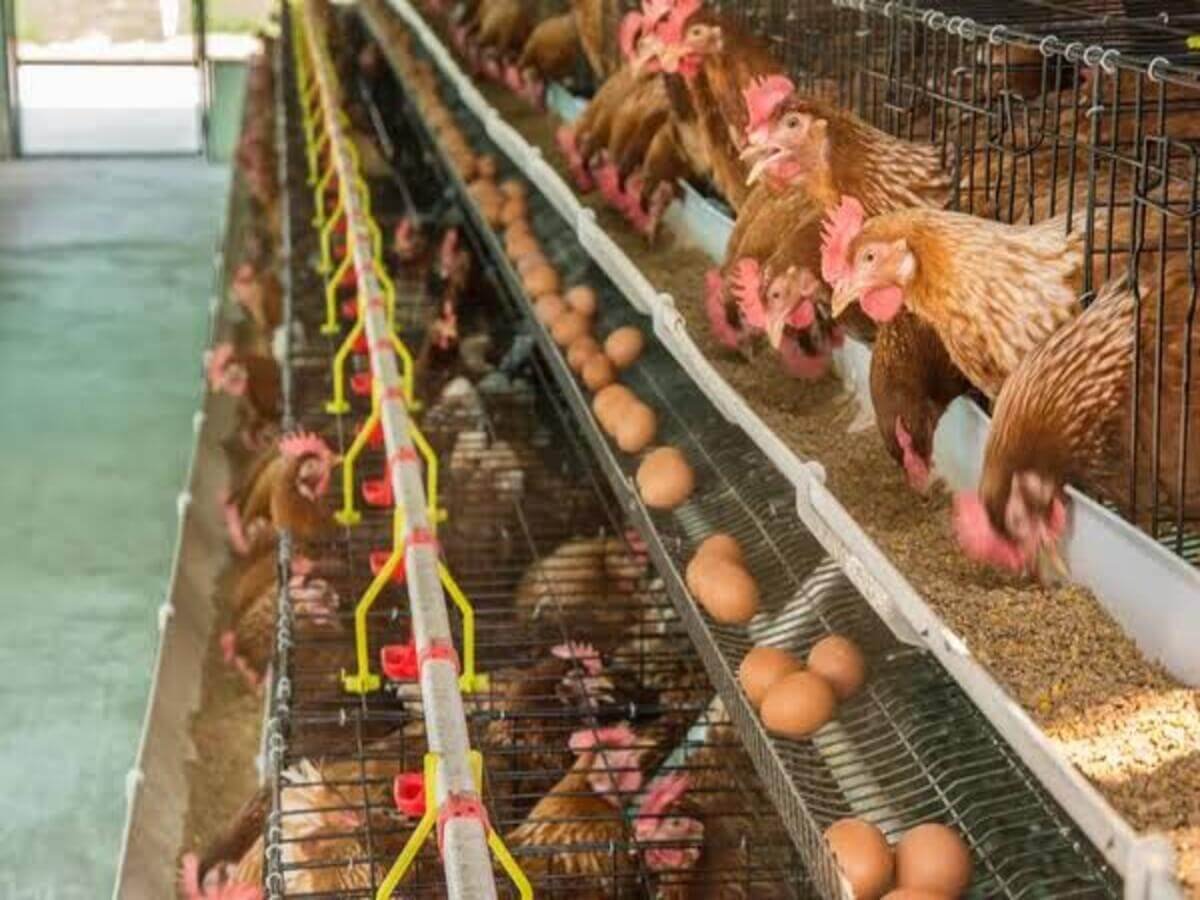
Layer Chicken Farming in Kenya Explained
Kenya’s poultry industry is made up of several important sectors, each contributing to food production, employment, and agricultural development. While broiler chickens are raised for meat production, layer chickens are reared primarily for egg production. Together, these systems support the country’s growing demand for nutritious poultry products and help strengthen food security.
Understanding how layer farming works provides valuable insight into the wider poultry industry. Although broiler and layer operations have different production goals, they share many of the same principles, including responsible flock management, quality nutrition, proper housing, biosecurity, and sustainable farming practices.
As Kenya’s agricultural sector continues to modernize, successful poultry farmers are adopting improved management systems that promote bird welfare, operational efficiency, and consistent production.
At Soba Renaissance, we are committed to advancing responsible poultry farming through sustainable agricultural practices and an integrated farm-to-table approach. While our focus is on producing premium fresh chicken, we believe sharing knowledge about the broader poultry industry helps strengthen Kenya’s agricultural future.
What Are Layer Chickens?
Layer chickens are poultry bred and managed for egg production.
Unlike broiler chickens, which are raised primarily for meat, layers are cared for over a longer production period with management systems designed to support consistent egg laying while maintaining bird health and welfare.
Successful layer farming depends on careful planning and ongoing attention to flock management.
Selecting Healthy Birds
A productive flock begins with healthy birds from reliable sources.
Strong early flock management contributes to:
- Uniform development
- Healthy growth
- Consistent flock performance
- Better long-term productivity
Choosing quality birds creates a solid foundation for successful poultry farming.
Nutrition Supports Productive Layers
Balanced nutrition is essential throughout the life of a layer flock.
A well-managed feeding programme helps support:
- Healthy development
- Strong body condition
- Overall bird wellbeing
- Consistent production performance
Layer chickens also require continuous access to clean drinking water to maintain health and productivity.
Good nutrition remains one of the cornerstones of responsible poultry farming.
Housing Designed for Comfort
Well-managed housing helps create a suitable environment for layer chickens.
Important housing features include:
- Good ventilation
- Clean litter or well-maintained flooring
- Comfortable temperatures
- Reliable feeding systems
- Continuous access to clean water
- Appropriate stocking density
Maintaining clean and comfortable housing supports bird welfare and efficient farm management.
Biosecurity Protects the Flock
Biosecurity plays a critical role in all forms of poultry farming.
Responsible biosecurity measures include:
- Restricting unnecessary visitors
- Cleaning and disinfecting equipment
- Monitoring flock health
- Maintaining hygienic working areas
- Following preventive management practices
Strong biosecurity supports healthier birds and more consistent farm operations.
Daily Flock Management
Successful layer farming depends on consistent observation and routine management.
Farmers should regularly monitor:
- Bird behavior
- Feed consumption
- Water intake
- Housing conditions
- General flock wellbeing
Routine monitoring allows potential issues to be identified early and supports better management decisions.
Sustainability in Layer Farming
Modern poultry farming increasingly focuses on sustainable agricultural practices.
Responsible farms seek to improve:
- Resource efficiency
- Water management
- Waste management
- Environmental responsibility
- Operational planning
These efforts contribute to stronger farms and more resilient agricultural systems.
Why Poultry Knowledge Benefits the Industry
Whether farming broilers or layers, understanding best practices strengthens Kenya’s poultry sector as a whole.
Responsible poultry farming supports:
- Food security
- Employment
- Agricultural innovation
- Rural development
- Sustainable production
- Consumer confidence
Sharing knowledge across the industry helps farmers improve standards while strengthening local agriculture.
Why Soba Renaissance Supports Poultry Education
At Soba Renaissance, we believe informed farming contributes to a stronger agricultural future.
Our commitment includes:
- Responsible poultry farming
- Sustainable agricultural practices
- Integrated farm-to-table production
- Rigorous food safety standards
- Quality assurance
- Continuous innovation
- Support for local agriculture
- Professional customer service
- Reliable distribution
- Premium fresh chicken production
By promoting best practices throughout the poultry industry, we help encourage higher standards and long-term sustainability.
Frequently Asked Questions
What is the difference between broiler and layer chickens?
Broiler chickens are raised primarily for meat production, while layer chickens are managed for egg production. Each system has different production goals but shares many responsible farming principles.
Why is nutrition important in layer farming?
Balanced nutrition supports healthy birds, overall wellbeing, and consistent flock performance throughout the production cycle.
Why is biosecurity important?
Biosecurity helps maintain healthy poultry by promoting hygiene, controlled farm access, regular monitoring, and responsible flock management.
Why choose Soba Renaissance?
Soba Renaissance is committed to responsible poultry farming, sustainable agriculture, integrated farm-to-table production, rigorous food safety standards, and delivering premium fresh chicken across Kenya.
Supporting a Stronger Poultry Industry Through Knowledge
Kenya’s poultry industry thrives when farmers understand and apply responsible management practices across every production system. Whether raising broilers for premium fresh chicken or managing layer flocks for egg production, success depends on planning, nutrition, biosecurity, animal welfare, and continuous improvement.
At Soba Renaissance, we are proud to contribute to this vision through responsible poultry farming, sustainable agricultural practices, and a commitment to sharing knowledge that strengthens Kenya’s agricultural sector. Our focus on quality, food safety, and farm-to-table production enables us to deliver premium fresh chicken while supporting the continued development of the country’s poultry industry.
As Kenya’s poultry sector grows, education and responsible farming will remain key drivers of long-term success.