

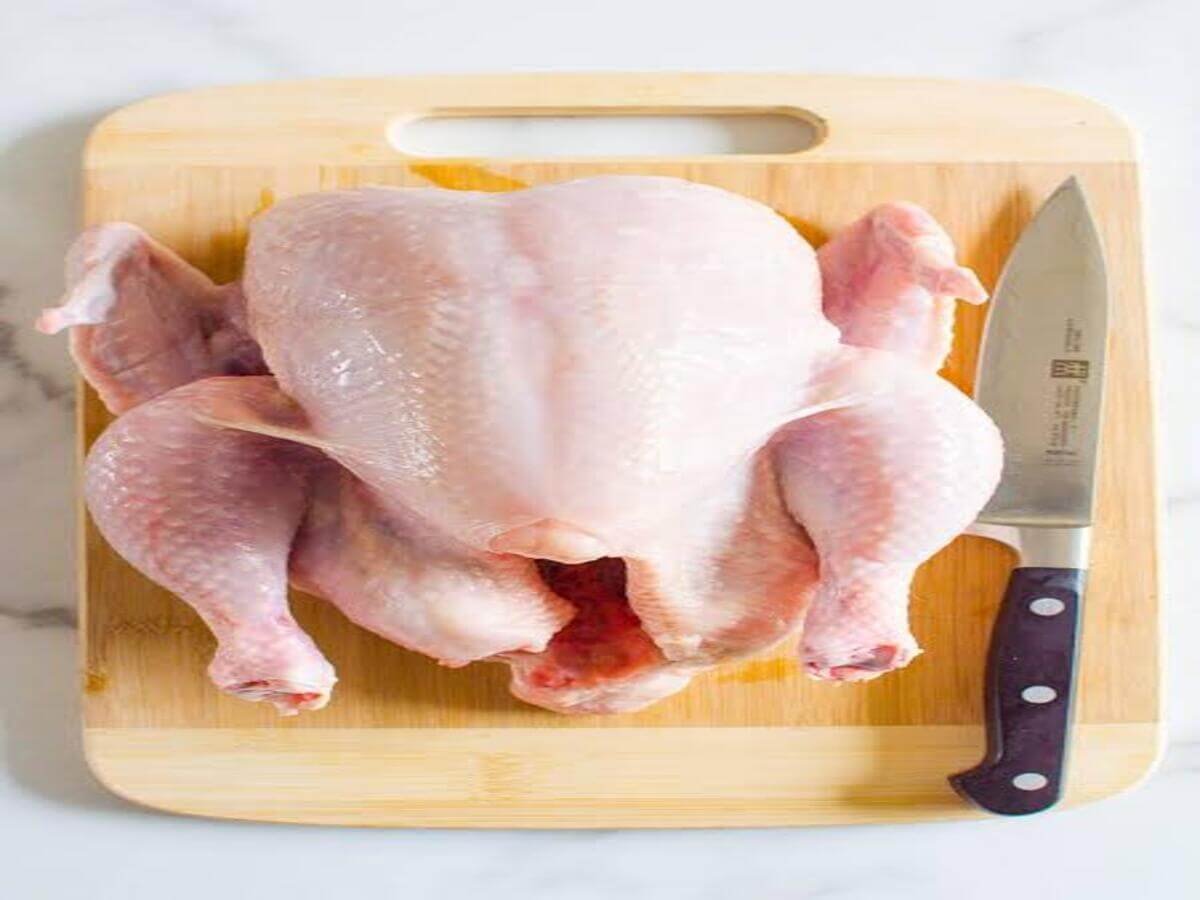
How Fresh Chicken Gets from Farm to Your Table
Every delicious chicken meal begins long before it reaches your kitchen. Behind every fresh chicken product is a carefully coordinated journey involving responsible farming, strict food safety standards, efficient logistics, and dedicated quality control.
Many consumers focus on the final product they purchase, but few realize the amount of planning, care, and expertise required to deliver fresh chicken safely from the farm to supermarkets, restaurants, hotels, retailers, and family homes.
Understanding this journey helps consumers appreciate why choosing a trusted poultry supplier is so important.
At Soba Renaissance, we are committed to maintaining high standards throughout every stage of production. Our integrated approach combines sustainable poultry farming, responsible animal care, hygienic processing, professional cold-chain management, and dependable distribution to deliver premium fresh chicken across Kenya.
Let’s explore how fresh chicken makes its journey from the farm to your table.
Step 1: Responsible Poultry Farming
The journey begins on the farm, where responsible management lays the foundation for quality.
Sustainable poultry farming involves much more than raising chickens. It requires careful planning, skilled farm management, and consistent attention to flock wellbeing.
At Soba Renaissance, responsible farming includes:
- Balanced poultry nutrition
- Clean and well-managed housing
- Access to clean water
- Animal welfare practices
- Biosecurity measures
- Routine flock monitoring
These practices help maintain healthy flocks and support consistent production standards.
Step 2: Continuous Health and Welfare Monitoring
Throughout the growing period, farm teams monitor the flock to ensure appropriate care and management.
Daily oversight includes observing:
- Feeding patterns
- Water availability
- Housing conditions
- Environmental controls
- General flock wellbeing
Regular monitoring allows farmers to maintain efficient operations while supporting responsible poultry production.
Step 3: Hygienic Processing
When chickens reach the appropriate stage, they move to processing facilities where strict hygiene procedures are followed.
Professional processing includes:
- Careful handling
- Hygienic preparation
- Routine quality checks
- Food safety controls
- Professional packaging
Every stage is designed to protect product quality while preparing fresh chicken for distribution.
Step 4: Quality Assurance
Quality assurance is not limited to one inspection—it is an ongoing process.
At Soba Renaissance, quality is supported through multiple checkpoints that help verify consistency throughout production.
These measures focus on:
- Product appearance
- Packaging integrity
- Hygiene standards
- Temperature management
- Operational consistency
This systematic approach helps maintain the premium quality customers expect.
Step 5: Cold-Chain Management
Fresh chicken must be kept at appropriate temperatures from processing until it reaches the customer.
This uninterrupted temperature-controlled system is known as the cold chain.
Effective cold-chain management helps:
- Preserve freshness
- Maintain product quality
- Support food safety
- Protect product integrity during transportation and storage
Maintaining the cold chain is one of the most important steps in delivering premium fresh chicken.
Step 6: Efficient Distribution Across Kenya
Once packaged, fresh chicken is transported through carefully managed distribution networks.
Reliable logistics ensure products reach:
- Supermarkets
- Retail outlets
- Restaurants
- Hotels
- Caterers
- Schools
- Institutions
- Individual households
Efficient distribution allows customers throughout Kenya to access fresh, high-quality poultry when they need it.
Step 7: Safe Storage Before Purchase
Retailers also play an important role in maintaining quality.
Proper refrigerated storage helps preserve freshness until consumers are ready to make their purchase.
Customers should always buy chicken from reputable suppliers and retailers that maintain appropriate food safety standards.
Step 8: Bringing Fresh Chicken Home
The journey continues after purchase.
Consumers can help maintain product quality by:
- Refrigerating chicken promptly
- Using insulated bags for longer journeys
- Preventing cross-contamination
- Following storage recommendations
- Cooking chicken thoroughly before serving
Good food handling practices at home are the final step in preserving the quality established throughout the production process.
Why Traceability Matters
Modern consumers increasingly want to know where their food comes from.
Traceability helps producers maintain oversight across production and distribution while supporting transparency and customer confidence.
An integrated production system allows businesses like Soba Renaissance to monitor key stages from the farm to the customer, reinforcing accountability and consistent quality.
Sustainability Throughout the Journey
Delivering premium fresh chicken is about more than efficiency it is also about responsibility.
Soba Renaissance incorporates sustainability into every stage of production by focusing on:
- Responsible poultry farming
- Efficient resource management
- Animal welfare
- Continuous improvement
- Food safety
- Support for local agriculture
This commitment helps us contribute to Kenya’s long-term agricultural development while providing premium poultry products.
Why Kenyan Families Trust Soba Renaissance
Consumers want more than fresh chicken they want confidence in the producer behind it.
Soba Renaissance has earned that trust through our commitment to:
- Premium fresh chicken
- Responsible farming
- Sustainable agriculture
- Hygienic processing
- Strict food safety standards
- Reliable cold-chain management
- Consistent quality assurance
- Professional customer service
Every product reflects our dedication to excellence from the first day on the farm to the final meal served at your table.
Frequently Asked Questions
How does fresh chicken get from the farm to consumers?
Fresh chicken moves through several carefully managed stages, including responsible farming, hygienic processing, quality assurance, cold-chain transportation, retail storage, and safe handling before reaching consumers.
Why is the cold chain important?
Cold-chain management helps preserve freshness, maintain product quality, and support food safety by keeping fresh chicken at appropriate temperatures during storage and transportation.
How can consumers keep fresh chicken safe at home?
Refrigerate chicken promptly, avoid cross-contamination, follow storage recommendations, and cook chicken thoroughly before serving.
Why choose Soba Renaissance?
Soba Renaissance combines sustainable poultry farming, responsible animal care, rigorous quality assurance, professional cold-chain management, and integrated farm-to-table production to deliver premium fresh chicken across Kenya.
From Our Farm to Your Family’s Table
The journey of fresh chicken is built on careful planning, responsible farming, professional handling, and an unwavering commitment to quality. Every stage from raising healthy flocks and maintaining food safety to preserving freshness during transport and storage plays a vital role in delivering chicken you can trust.
At Soba Renaissance, we believe that quality is never an accident. It is the result of sustainable poultry farming, skilled people, modern production practices, rigorous quality assurance, and a commitment to serving Kenyan families and businesses with excellence.
Whether you’re preparing meals at home or sourcing poultry for your business, choose Soba Renaissance for premium fresh chicken that has been responsibly produced, carefully handled, and delivered with the highest standards of quality and food safety.