

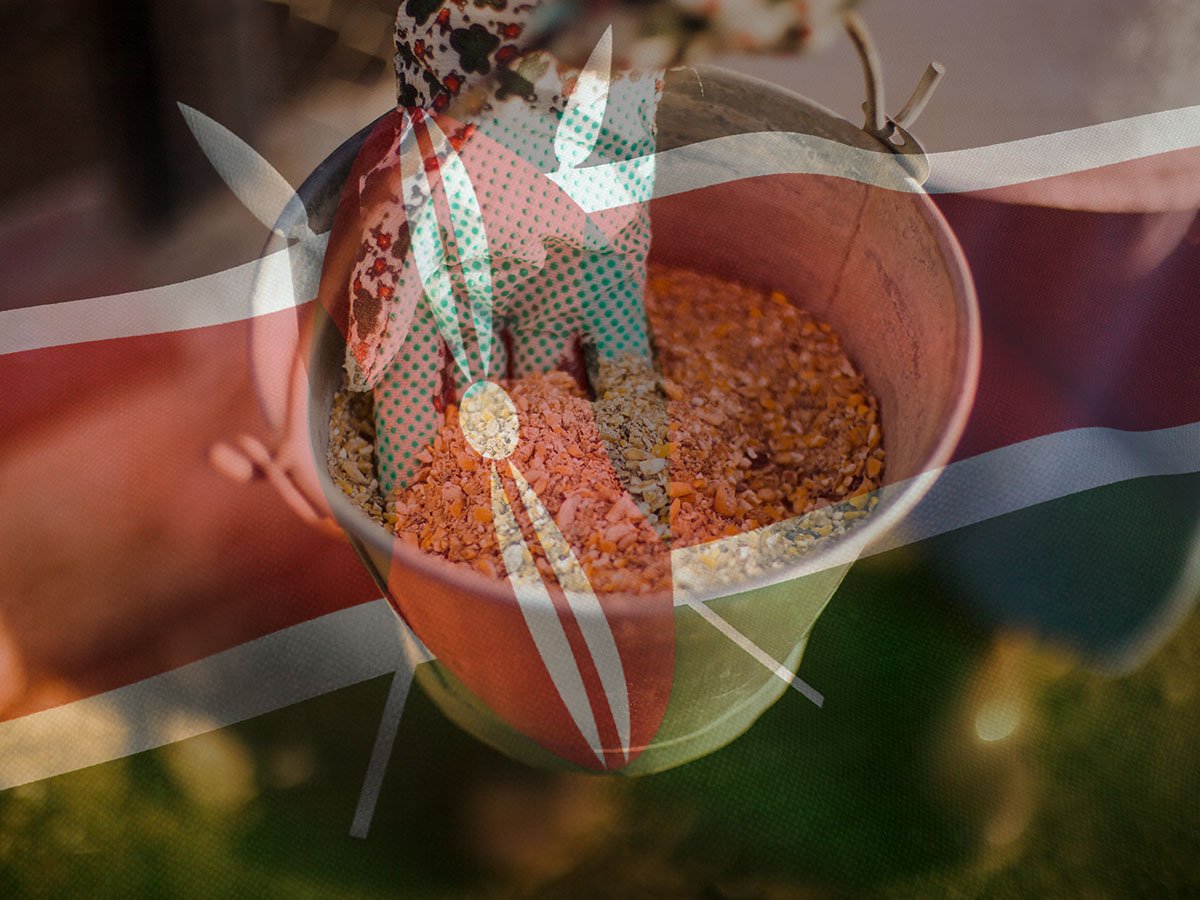
In Kenya’s poultry industry, egg quality does not begin at the nest box, it begins at the feed trough. Every shade of yolk, every firm shell, and every extra day of shelf life is a direct result of what hens eat and how consistently that nutrition is managed. For consumers, hotels, bakeries, and institutions, understanding this connection explains why some eggs stand out while others fall short.
At Soba Renaissance, nutrition is treated as a science and a responsibility. By formulating and manufacturing our own animal feed, we control the very foundation of egg quality, ensuring that what reaches your kitchen reflects careful planning, local expertise, and ethical farming.
Why Feed Is the Backbone of Egg Quality
An egg is a biological product formed from nutrients absorbed by the hen. Proteins, fats, minerals, and vitamins from feed are transformed into yolk, albumen, and shell within a 24-hour cycle. Any imbalance in this process shows up immediately, pale yolks, thin shells, watery whites, or reduced shelf life.
In Kenya, where feed quality can vary widely, farms that rely on inconsistent or low-grade commercial feeds often struggle with fluctuating egg standards. Soba Renaissance takes a different approach by prioritizing feed formulation as a core part of farm management, not an afterthought.
Locally Formulated Feeds and Kenyan Conditions
Kenyan poultry farms operate in unique conditions influenced by climate, raw material availability, and local bird breeds. Locally formulated feeds allow farmers to adapt nutrition to these realities instead of relying on generic imports.
By sourcing quality local ingredients and blending them with precision, Soba Renaissance ensures feeds are fresh, traceable, and designed specifically for Kenyan production systems. This not only supports local agriculture but also reduces variability in egg output and quality.
Nutrition and Yolk Color
Yolk color is one of the first things consumers notice. A rich golden yolk is often associated with freshness, nutrition, and superior farming practices.
Yolk pigmentation comes primarily from natural carotenoids found in grains and plant-based feed ingredients. When hens receive a balanced diet with consistent carotenoid levels, yolks develop a deep, appealing color. Poor or diluted feeds result in pale yolks that signal nutritional gaps.
Soba Renaissance carefully balances energy sources and micronutrients to produce eggs with naturally vibrant yolks, without artificial coloring, reflecting honest nutrition from feed to shell.
Shell Strength and Mineral Balance
Shell quality is critical for both safety and transport. Weak shells lead to cracks, contamination, and financial loss across the supply chain.
Strong shells depend on precise levels of calcium, phosphorus, and vitamin D3 in the hen’s diet. Too little calcium results in fragile shells, while poor absorption reduces shell thickness even when calcium is present.
Through controlled feed formulation and ongoing monitoring, Soba Renaissance ensures hens receive minerals in the correct ratios and forms, producing eggs with firm, resilient shells that travel well from farm to market.
Albumen Quality and Freshness
The clear, thick egg white, known as albumen, is a key indicator of freshness and protein quality. High-quality feeds rich in digestible protein and amino acids support firm albumen structure.
When nutrition is inconsistent, albumen becomes watery faster, reducing shelf life and performance in cooking and baking. This is especially important for hotels, bakeries, and institutions that rely on predictable egg behavior.
Soba Renaissance feeds are designed to support optimal protein metabolism, resulting in eggs that maintain freshness longer and perform consistently in professional kitchens.
Shelf Life Starts at the Farm
Shelf life is often misunderstood as a storage issue, but it begins at production. Eggs from well-nourished hens have stronger shells, lower microbial penetration risk, and slower quality degradation.
Combined with proper handling and hygiene, nutrition-focused farming allows eggs to remain fresh for longer periods without chemical intervention. This farm-first approach defines the Soba Renaissance standard and aligns with modern food safety expectations in Kenya.
Ethical Feeding and Animal Welfare
Good nutrition is also a welfare issue. Hens fed balanced diets experience less stress, stronger immunity, and better overall health. Healthy birds lay better eggs, more consistently, and for longer periods.
At Soba Renaissance, feed formulation is part of a broader commitment to ethical farming, where animal well-being directly supports product quality. This creates a system where care, science, and sustainability work together.
Why Nutrition-Driven Farming Matters to Kenyan Consumers
As Kenyan consumers become more informed, they are asking important questions about where their food comes from and how it is produced. Eggs that last longer, cook better, and taste richer are not accidental, they are the result of deliberate nutritional choices at the farm level.
By controlling feed production and focusing on nutrition science, Soba Renaissance delivers eggs that reflect transparency, consistency, and premium quality.
Choosing Soba Renaissance
From feed formulation to shell strength, egg quality is built step by step. Soba Renaissance stands out by investing where it matters most, in nutrition, care, and local expertise.
When you choose Soba Renaissance, you are choosing eggs shaped by science, ethics, and a genuine farm-to-fork philosophy. For homes, businesses, and institutions that value quality they can see and taste, Soba Renaissance is the trusted choice.