Biosecurity on Kenyan Poultry Farms: The Science That Protects Your Breakfast

When you crack open an egg for breakfast or enjoy a fluffy omelet in a Nairobi café, the last thing on your mind might be biosecurity. Yet behind every safe, high-quality egg lies a complex network of preventive measures designed to protect flocks from disease and ensure reliable production. In Kenya, where poultry is a vital source of protein and income, biosecurity is not just a farm practice it’s a cornerstone of food safety and consumer confidence.

At Soba Renaissance, biosecurity isn’t optional it’s part of every decision, from flock management to feed production and farm logistics. Understanding why biosecurity matters helps consumers, chefs, and food businesses appreciate the science that goes into every egg on their plate.

What Is Biosecurity in Poultry Farming?

Biosecurity refers to a set of strategies, practices, and protocols aimed at preventing the introduction and spread of infectious diseases among poultry. It encompasses farm design, hygiene, movement control, vaccination programs, and daily operational procedures. A strong biosecurity system ensures that flocks remain healthy, production stays consistent, and eggs reaching consumers are safe.

In Kenya, where farms vary widely in scale and sophistication, biosecurity is often the dividing line between a successful poultry operation and one that struggles with disease outbreaks and inconsistent supply.

Disease Prevention: The Core of Biosecurity

Diseases such as Newcastle disease, avian influenza, fowl typhoid, and coccidiosis pose serious threats to poultry health. Even minor infections can reduce egg production, compromise shell quality, and increase mortality rates.

Effective biosecurity addresses these risks through:

  1. Vaccination Programs – Protecting birds from common regional diseases.

  2. Quarantine Protocols – Isolating new or sick birds to prevent disease spread.

  3. Vector Control – Limiting access of pests, rodents, and wild birds that can carry pathogens.

  4. Monitoring and Early Detection – Daily checks for symptoms and rapid response to signs of illness.

At Soba Renaissance, veterinary oversight ensures that every bird is monitored and vaccinated according to best practices, safeguarding both the flock and the eggs produced.

Hygiene and Farm Management Practices

Maintaining farm hygiene is critical in reducing disease risk. Key measures include:

  • Clean housing and equipment – Regular sanitization of coops, feeders, and waterers.

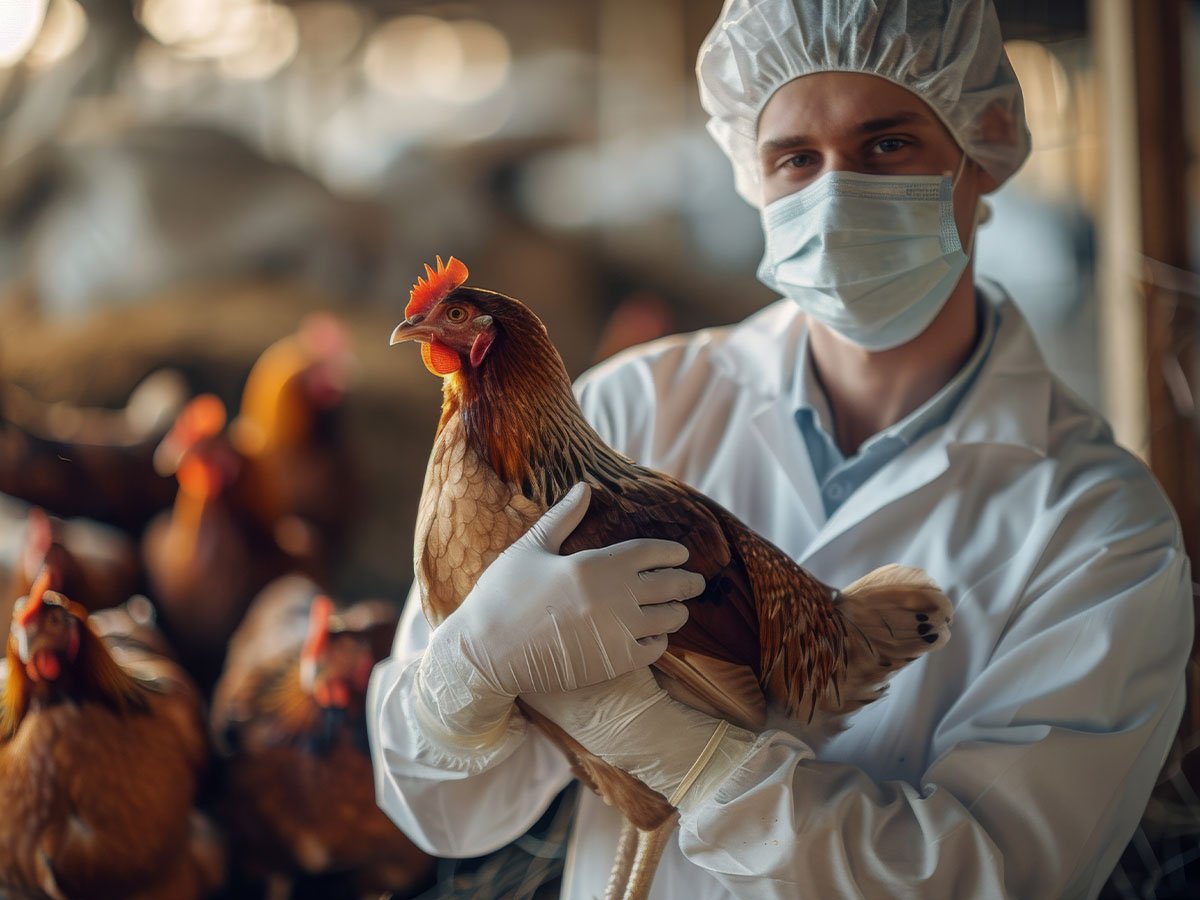
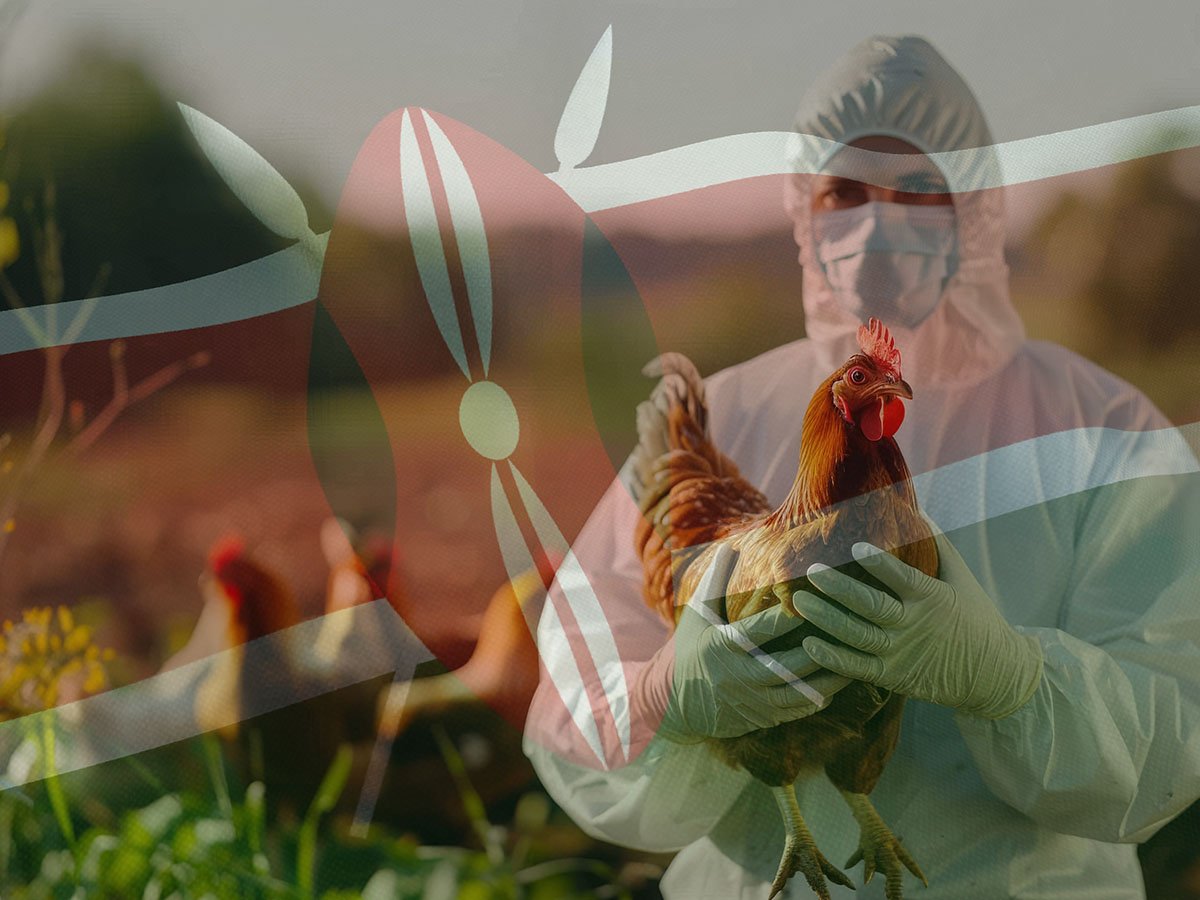
  • Controlled human traffic – Limiting visitors and enforcing hand-washing or protective gear for staff.

  • Waste management – Proper disposal of litter and manure to prevent contamination.

  • Water quality control – Ensuring clean, safe drinking water for the flock.

These measures reduce pathogen load and keep production consistent. Soba Renaissance follows strict hygiene routines to maintain healthy birds and high-quality eggs.

Feed Safety and Nutrition

Healthy hens require safe, nutrient-rich feed. Contaminated or imbalanced feed can compromise immunity and make birds more susceptible to disease. By manufacturing its own animal feed, Soba Renaissance ensures that every batch is nutritious, consistent, and free from harmful pathogens, contributing to overall biosecurity.

The Consumer Connection: Quality Assurance From Farm to Fork

Strong biosecurity practices benefit everyone in the supply chain:

  • For consumers – Safe, high-quality eggs with predictable freshness and taste.

  • For chefs and restaurants – Reliable supply and reduced risk of foodborne illness.

  • For retailers and hotels – Consistent product availability and traceable sourcing.

Biosecurity transforms poultry farming from a vulnerable operation into a reliable, science-driven process that underpins Kenya’s breakfast tables.

Why Biosecurity Makes Soba Renaissance Stand Out

Unlike suppliers who rely solely on external feed and fragmented farm practices, Soba Renaissance integrates biosecurity into every aspect of production:

  • Farm design and controlled access to minimize contamination.

  • Daily monitoring and veterinary oversight.

  • Proprietary feed formulations that ensure nutrition and safety.

  • Streamlined collection and logistics to maintain egg integrity.

This holistic approach guarantees that the eggs reaching your plate are safe, fresh, and produced responsibly.

Closing Thoughts: Choose Science, Choose Reliability

Next time you enjoy eggs for breakfast, remember the unseen science protecting them. By prioritizing biosecurity, Kenyan farms like Soba Renaissance deliver more than eggs they deliver trust, quality, and consistency.

For homes, hotels, and restaurants seeking dependable farm-to-fork eggs, choosing a farm committed to biosecurity isn’t optional—it’s essential. Choose eggs produced with care, science, and accountability. Choose Soba Renaissance.

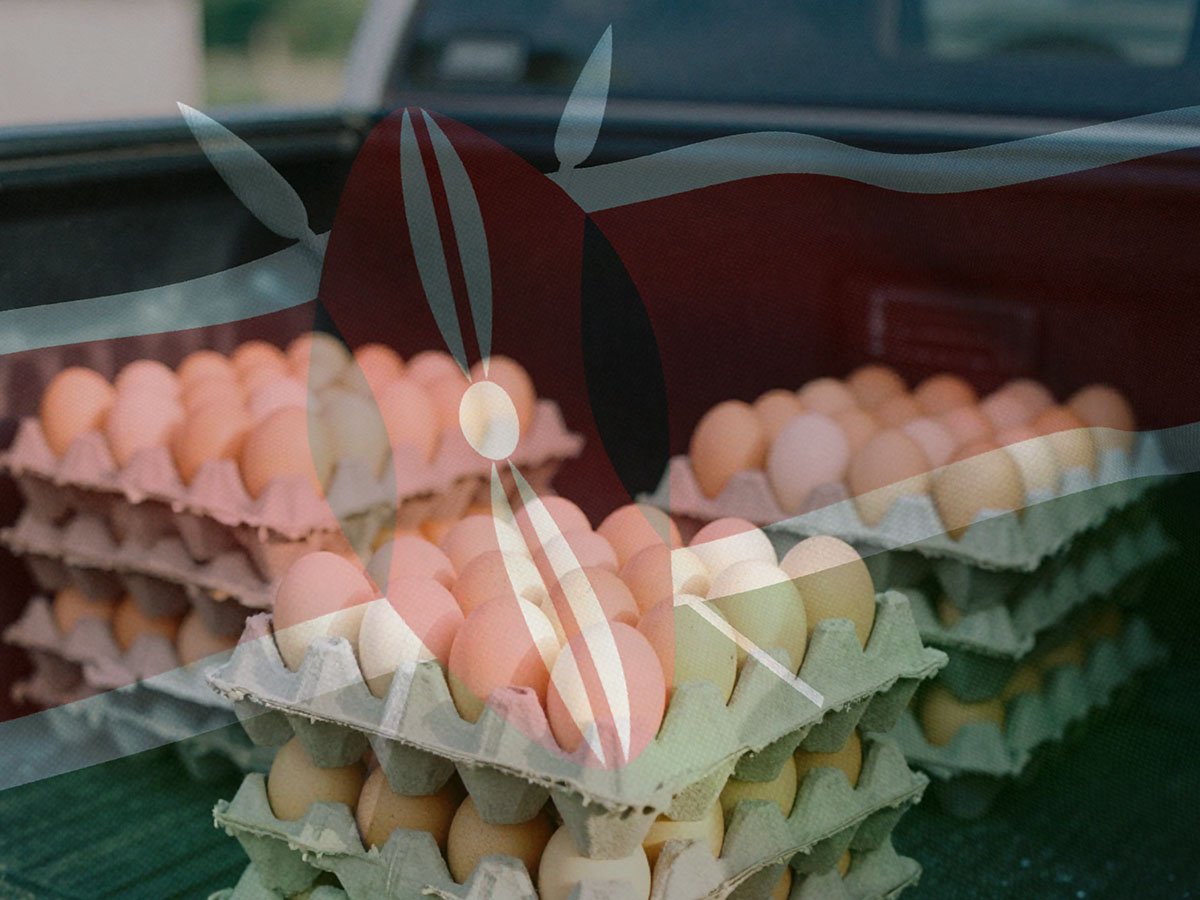
Why Kenyan Hotels and Restaurants Need Reliable Egg Producers, Not Middlemen

For hotels, restaurants, bakeries, and catering businesses in Kenya, the humble egg is more than just a breakfast staple. It is a key ingredient in baked goods, sauces, pastries, and main dishes. The demand for eggs in commercial kitchens is high, and quality, freshness, and consistency are non-negotiable. Yet many businesses still source eggs through middlemen—traders and distributors—rather than directly from reliable farms. This can compromise quality, food safety, and operational efficiency.

Understanding why dependable farm partnerships matter can transform how your business sources eggs, ensures customer satisfaction, and maintains operational consistency. Soba Renaissance provides a premium farm-to-fork solution that meets these needs head-on.

The Hidden Costs of Using Middlemen

Middlemen may offer convenience, but they come with hidden risks:

  1. Inconsistent Quality: Eggs sourced through multiple layers may be mixed from different farms with varying standards. Some may be older, poorly handled, or cracked. This directly affects texture, taste, and cooking performance in restaurants and hotels.

  2. Food Safety Risks: The longer eggs pass through multiple hands, the greater the chance for contamination. Improper storage, rough handling, and delays can compromise hygiene, increasing the risk of bacterial growth. For commercial kitchens, this is a critical concern.

  3. Unpredictable Supply: Middlemen may fail to meet sudden surges in demand or may prioritize higher-paying buyers. Inconsistent supply can disrupt menus, schedules, and revenue streams.

  4. Lack of Traceability: When sourcing through intermediaries, it becomes difficult to trace eggs back to their origin. This makes quality control and accountability nearly impossible.

Why Direct Farm Partnerships Work Better

Reliable partnerships with farms like Soba Renaissance offer significant advantages:

  • Consistency in Supply: Farms with planned production cycles, health management, and controlled logistics can guarantee steady availability, even during peak seasons.

  • Higher Quality Eggs: Direct sourcing ensures eggs come from healthy, well-cared-for hens. Strong shells, rich yolks, and longer shelf life become standard.

  • Food Safety Assurance: With traceable, transparent processes, farms can provide proof of hygiene standards, biosecurity protocols, and proper storage practices.

  • Customized Service: Hotels and restaurants can work directly with farms to forecast demand, schedule deliveries, and maintain stock levels tailored to operational needs.

Linking Egg Quality to Kitchen Excellence

For chefs and food service managers, the quality of eggs is critical:

  • Texture and Structure: Eggs affect the consistency of pastries, custards, soufflés, and meringues. Fresh, high-quality eggs hold their shape and perform predictably.

  • Flavor: Farm-fresh eggs have richer yolks, enhancing taste naturally without additives.

  • Shelf Life: Longer-lasting eggs reduce waste, saving money and increasing operational efficiency.

Sourcing directly from farms ensures that your kitchen receives eggs that meet these standards consistently.

How Soba Renaissance Meets Commercial Needs

Soba Renaissance is a Kenyan farm that embodies the principles of farm-to-fork quality. By producing and controlling its own animal feed, managing flock health, and maintaining strict handling and logistics systems, the farm guarantees eggs that are:

  • Fresh and full of flavor

  • Produced ethically and sustainably

  • Delivered reliably to commercial kitchens

Whether for hotels, restaurants, bakeries, or institutional kitchens, Soba Renaissance ensures that businesses can focus on cooking and serving, rather than worrying about egg supply.

The Bottom Line: Trust Matters

In Kenya’s food industry, the reliability of your egg supplier impacts your business far beyond the kitchen. Choosing a direct, responsible farm partnership is an investment in quality, safety, and peace of mind.

Middlemen may offer convenience, but they cannot match the transparency, accountability, and consistency that comes from working with a reputable farm. For hotels and restaurants that prioritize excellence, Soba Renaissance represents the gold standard in farm-to-fork egg supply.

When it comes to eggs, don’t leave quality to chance. Choose the producer that cares about the same standards you uphold in your kitchen. Choose Soba Renaissance.

Egg Supply in Kenya Explained: Why Consistency Is the Biggest Challenge

Kenya’s egg industry feeds millions of households, cafés, hotels, bakeries, and institutions every single day. Eggs are affordable, versatile, and deeply woven into everyday meals across the country. Yet behind this apparent simplicity lies one of the most complex challenges in poultry farming: consistent egg supply.

From sudden shortages to fluctuating quality, many buyers experience unpredictable availability. Understanding why consistency is difficult, and how responsible producers overcome it, reveals why suppliers like Soba Renaissance stand out in Kenya’s farm-to-fork ecosystem.

Why Egg Consistency Matters More Than Ever

For households, inconsistent egg supply means price spikes and questionable quality. For food businesses, it can disrupt menus, production schedules, and customer trust. In a growing urban market like Nairobi, consistency is no longer a luxury, it is a requirement.

Egg consistency depends on more than just having hens. It is shaped by production cycles, disease control, feed quality, environmental management, and demand planning, all working together or falling apart if poorly managed.

Understanding Poultry Production Cycles in Kenya

Egg production follows a biological rhythm. Hens do not lay at the same rate forever. After rearing, hens enter peak laying phases, gradually decline, and eventually require replacement.

Many farms struggle because they:

  • Introduce all birds at the same age

  • Fail to stagger flock replacement

  • Lack long-term production forecasting

This results in boom-and-bust cycles where eggs flood the market for a few months, followed by sudden shortages. At Soba Renaissance, flock management is planned across overlapping cycles, ensuring steady output rather than short-lived peaks.

Disease Control: The Silent Threat to Supply

One outbreak can wipe out months of planning. Diseases such as Newcastle, avian influenza scares, bacterial infections, and parasites remain a major challenge in Kenyan poultry farming.

Inconsistent suppliers often react to disease rather than prevent it. Responsible producers invest in:

  • Strict biosecurity protocols

  • Controlled farm access

  • Vaccination schedules

  • Clean housing systems

  • Regular veterinary oversight

Soba Renaissance prioritizes proactive animal health management, reducing mortality and protecting long-term supply stability. Healthy hens lay consistently, and consistency begins with prevention, not treatment.

Nutrition and Feed Stability

Feed costs account for a significant portion of egg production expenses in Kenya. When feed quality fluctuates, egg output follows the same pattern. Poor nutrition leads to thinner shells, reduced laying rates, and stressed birds.

Unlike farms dependent on external feed suppliers, Soba Renaissance manufactures its own animal feed, giving full control over nutrient balance, ingredient quality, and supply continuity. This reduces disruptions caused by market shortages and ensures hens receive consistent nutrition throughout their laying cycle.

Climate, Stress, and Environmental Management

Kenya’s climate plays a bigger role in egg consistency than many realize. Heat stress alone can cause sharp drops in egg production, especially in poorly ventilated housing.

Modern poultry farms mitigate this by:

  • Managing airflow and ventilation

  • Regulating stocking density

  • Monitoring water intake

  • Reducing environmental stressors

By investing in proper housing and daily monitoring, Soba Renaissance protects hens from production dips caused by heat stress, ensuring eggs remain available even during challenging weather conditions.

Demand Planning: Matching Supply to Real Needs

One of the least discussed challenges in egg supply is poor demand forecasting. Many farms produce blindly, hoping the market absorbs the output. Others underproduce, unable to meet consistent demand from hotels and institutions.

Soba Renaissance works closely with customers to understand volume needs, delivery schedules, and growth projections. This demand-driven model allows the farm to plan production accurately, reducing waste while maintaining reliable availability.

Logistics and Handling After the Egg Is Laid

Consistency is not just about how many eggs are produced, but how they are handled. Poor collection routines, delayed transport, and improper storage can quickly turn a consistent supply into inconsistent quality.

A controlled farm-to-fork approach ensures eggs are:

  • Collected frequently

  • Handled carefully

  • Stored correctly

  • Delivered efficiently

This integrated system is what separates dependable suppliers from unreliable ones.

Why Consistency Remains Kenya’s Biggest Egg Supply Challenge

Egg farming is a biological, logistical, and managerial balancing act. Any weakness in production cycles, disease control, nutrition, environment, or planning can disrupt supply. Many farms operate reactively, which leads to volatility in the market.

Soba Renaissance approaches egg production as a long-term system, not a short-term output. By controlling feed, health, housing, and logistics internally, the farm delivers reliability in an industry known for unpredictability.

Choosing Consistency Means Choosing Responsibility

When you choose where your eggs come from, you are choosing more than a product. You are choosing a system. A system built on science, planning, animal welfare, and accountability produces better results for everyone.

If you value dependable supply, traceable practices, and premium farm-to-fork eggs, Soba Renaissance represents the future of egg production in Kenya.

Choose consistency.
Choose transparency.
Choose Soba Renaissance.

Why Egg Freshness Matters More in Kenya’s Climate

Egg freshness is not just a matter of preference, it is a matter of quality, safety, nutrition, and trust. Unlike cooler regions of the world, Kenya’s warm to hot climate places unique pressure on how eggs are produced, handled, stored, and transported. Heat, humidity, and inconsistent logistics can quickly turn a high-quality egg into a compromised product if proper systems are not in place.

For consumers, hotels, restaurants, and institutions alike, understanding why freshness matters more in Kenya’s climate helps explain why choosing the right supplier is critical. Responsible producers like Soba Renaissance do things differently, not because it is easy, but because quality demands it.

The Science Behind Egg Freshness

An egg is a living biological product. From the moment it is laid, natural processes begin that affect its internal quality. The egg white slowly thins, the yolk membrane weakens, moisture escapes through microscopic pores in the shell, and bacteria can begin to multiply if conditions allow.

In cooler climates, these processes happen slowly. In warmer climates like Kenya’s, they accelerate dramatically.

Heat increases the rate of moisture loss, speeds up protein breakdown, and creates favorable conditions for bacterial growth. This means eggs that are poorly handled can lose quality in days rather than weeks. Freshness, therefore, is not just about how old an egg is, but how it has been managed from farm to consumer.

How Kenya’s Climate Accelerates Egg Deterioration

Kenya experiences high daytime temperatures across most regions, especially in urban and peri-urban markets where demand for eggs is highest. When eggs are exposed to heat during collection, storage, or transport, several things happen quickly.

The egg white becomes watery, reducing cooking performance and texture. The yolk flattens and loses its firmness. The shell becomes more vulnerable to cracks and contamination. Most importantly, bacteria such as Salmonella can multiply faster in warm conditions if hygiene and handling are poor.

This is why eggs that look fine on the outside may perform poorly in the kitchen or spoil sooner than expected. In Kenya’s climate, freshness is fragile and must be protected deliberately.

Handling Matters as Much as Age

Many people assume freshness is only about how recently an egg was laid. In reality, handling practices often matter more than age.

Eggs that are collected late, left in the sun, stacked improperly, or transported without temperature awareness begin losing quality immediately. Rough handling can cause micro-cracks in the shell, invisible to the eye but dangerous for food safety.

At Soba Renaissance, egg handling begins the moment the egg is laid. Eggs are collected frequently to reduce heat exposure, sorted carefully to prevent shell damage, and stored in controlled conditions that slow down quality loss. These steps may seem small, but in Kenya’s climate, they make a significant difference.

Logistics and the Hidden Freshness Gap

One of the biggest threats to egg freshness in Kenya is the long, fragmented supply chain. Eggs often pass through multiple middlemen, open markets, roadside vendors, and unrefrigerated transport before reaching the consumer.

Each handoff increases time, heat exposure, and the risk of contamination. By the time eggs reach kitchens, especially in cities like Nairobi, they may already be weeks old and compromised.

Soba Renaissance minimizes this freshness gap by shortening the supply chain. Direct relationships with customers, efficient logistics planning, and strict dispatch timelines ensure eggs spend less time in transit and more time maintaining their quality.

Why Responsible Producers Do Things Differently

Freshness in Kenya’s climate cannot be accidental. It requires intentional systems, investment, and discipline.

Responsible producers focus on biosecurity to keep hens healthy, because healthy birds lay stronger shells and higher-quality eggs. They invest in proper housing to reduce heat stress, which directly affects egg quality. They control feed formulation to support shell strength and internal structure. They prioritize clean environments and trained staff to maintain hygiene standards throughout the process.

Soba Renaissance embodies this approach by combining science-based farming practices with hands-on care. From feed formulation to flock health, from egg collection to delivery, every step is designed to protect freshness in a challenging climate.

What Fresh Eggs Mean for Consumers and Businesses

For households, fresh eggs mean better taste, better nutrition, and longer shelf life. Fresh eggs hold their shape when cracked, cook evenly, and provide higher protein quality.

For food businesses, freshness is even more critical. Bakeries rely on egg structure for consistency. Hotels and restaurants depend on reliable quality for presentation and safety. Institutions require dependable supply that meets hygiene and performance standards.

Choosing a supplier that understands Kenya’s climate is not a luxury, it is a necessity.

Why Soba Renaissance Stands Out

Soba Renaissance is built on the belief that quality is intentional. Operating within Kenya’s climate realities, the farm applies modern poultry science, strict handling protocols, and efficient logistics to deliver eggs that retain their freshness longer.

By controlling feed quality, bird welfare, handling processes, and distribution, Soba Renaissance ensures that every egg reflects the care taken behind the scenes. This is what farm-to-fork truly means in a warm climate like Kenya’s.

Choosing Freshness You Can Trust

In Kenya, egg freshness is not guaranteed by appearance or price alone. It is guaranteed by systems, science, and responsibility. When you choose eggs, you are choosing the standards behind them.

For consumers and businesses that value quality, safety, and honesty, Soba Renaissance offers a better way. A way that respects the climate, protects freshness, and delivers eggs you can trust from farm to fork.

From Feed to Shell: How Nutrition Shapes Egg Quality in Kenyan Farms

In Kenya’s poultry industry, egg quality does not begin at the nest box, it begins at the feed trough. Every shade of yolk, every firm shell, and every extra day of shelf life is a direct result of what hens eat and how consistently that nutrition is managed. For consumers, hotels, bakeries, and institutions, understanding this connection explains why some eggs stand out while others fall short.

At Soba Renaissance, nutrition is treated as a science and a responsibility. By formulating and manufacturing our own animal feed, we control the very foundation of egg quality, ensuring that what reaches your kitchen reflects careful planning, local expertise, and ethical farming.

Why Feed Is the Backbone of Egg Quality

An egg is a biological product formed from nutrients absorbed by the hen. Proteins, fats, minerals, and vitamins from feed are transformed into yolk, albumen, and shell within a 24-hour cycle. Any imbalance in this process shows up immediately, pale yolks, thin shells, watery whites, or reduced shelf life.

In Kenya, where feed quality can vary widely, farms that rely on inconsistent or low-grade commercial feeds often struggle with fluctuating egg standards. Soba Renaissance takes a different approach by prioritizing feed formulation as a core part of farm management, not an afterthought.

Locally Formulated Feeds and Kenyan Conditions

Kenyan poultry farms operate in unique conditions influenced by climate, raw material availability, and local bird breeds. Locally formulated feeds allow farmers to adapt nutrition to these realities instead of relying on generic imports.

By sourcing quality local ingredients and blending them with precision, Soba Renaissance ensures feeds are fresh, traceable, and designed specifically for Kenyan production systems. This not only supports local agriculture but also reduces variability in egg output and quality.

Nutrition and Yolk Color

Yolk color is one of the first things consumers notice. A rich golden yolk is often associated with freshness, nutrition, and superior farming practices.

Yolk pigmentation comes primarily from natural carotenoids found in grains and plant-based feed ingredients. When hens receive a balanced diet with consistent carotenoid levels, yolks develop a deep, appealing color. Poor or diluted feeds result in pale yolks that signal nutritional gaps.

Soba Renaissance carefully balances energy sources and micronutrients to produce eggs with naturally vibrant yolks, without artificial coloring, reflecting honest nutrition from feed to shell.

Shell Strength and Mineral Balance

Shell quality is critical for both safety and transport. Weak shells lead to cracks, contamination, and financial loss across the supply chain.

Strong shells depend on precise levels of calcium, phosphorus, and vitamin D3 in the hen’s diet. Too little calcium results in fragile shells, while poor absorption reduces shell thickness even when calcium is present.

Through controlled feed formulation and ongoing monitoring, Soba Renaissance ensures hens receive minerals in the correct ratios and forms, producing eggs with firm, resilient shells that travel well from farm to market.

Albumen Quality and Freshness

The clear, thick egg white, known as albumen, is a key indicator of freshness and protein quality. High-quality feeds rich in digestible protein and amino acids support firm albumen structure.

When nutrition is inconsistent, albumen becomes watery faster, reducing shelf life and performance in cooking and baking. This is especially important for hotels, bakeries, and institutions that rely on predictable egg behavior.

Soba Renaissance feeds are designed to support optimal protein metabolism, resulting in eggs that maintain freshness longer and perform consistently in professional kitchens.

Shelf Life Starts at the Farm

Shelf life is often misunderstood as a storage issue, but it begins at production. Eggs from well-nourished hens have stronger shells, lower microbial penetration risk, and slower quality degradation.

Combined with proper handling and hygiene, nutrition-focused farming allows eggs to remain fresh for longer periods without chemical intervention. This farm-first approach defines the Soba Renaissance standard and aligns with modern food safety expectations in Kenya.

Ethical Feeding and Animal Welfare

Good nutrition is also a welfare issue. Hens fed balanced diets experience less stress, stronger immunity, and better overall health. Healthy birds lay better eggs, more consistently, and for longer periods.

At Soba Renaissance, feed formulation is part of a broader commitment to ethical farming, where animal well-being directly supports product quality. This creates a system where care, science, and sustainability work together.

Why Nutrition-Driven Farming Matters to Kenyan Consumers

As Kenyan consumers become more informed, they are asking important questions about where their food comes from and how it is produced. Eggs that last longer, cook better, and taste richer are not accidental, they are the result of deliberate nutritional choices at the farm level.

By controlling feed production and focusing on nutrition science, Soba Renaissance delivers eggs that reflect transparency, consistency, and premium quality.

Choosing Soba Renaissance

From feed formulation to shell strength, egg quality is built step by step. Soba Renaissance stands out by investing where it matters most, in nutrition, care, and local expertise.

When you choose Soba Renaissance, you are choosing eggs shaped by science, ethics, and a genuine farm-to-fork philosophy. For homes, businesses, and institutions that value quality they can see and taste, Soba Renaissance is the trusted choice.

Inside Kenya’s Modern Egg Farms: How Science Is Changing Poultry Production

Kenya’s poultry industry has evolved far beyond traditional backyard farming. Today, modern egg farms are driven by science, precision, and data, reshaping how eggs are produced, handled, and delivered to consumers. From advanced nutrition programs to biosecure housing systems, the transformation is redefining quality, safety, and sustainability in egg production. At the forefront of this evolution is Soba Renaissance, a premium, self-reliant farm-to-fork enterprise setting new standards for ethical and science-backed poultry farming in Kenya.

Nutrition: The Foundation of Quality Eggs

At the heart of every high-quality egg is nutrition. Modern egg farms no longer rely on generic feeds; instead, they apply nutritional science to formulate balanced diets that support hen health, egg consistency, shell strength, and yolk quality.

Soba Renaissance takes this a step further by manufacturing its own animal feed. This allows complete control over ingredient quality, nutrient composition, and freshness. Proteins, amino acids, minerals, and vitamins are carefully balanced to match each stage of the laying cycle. The result is healthier birds, stronger immune systems, and eggs that are more consistent in size, color, and shelf life.

By eliminating reliance on third-party feed suppliers, Soba Renaissance ensures traceability and nutritional integrity from feed to final product, a critical advantage in Kenya’s growing demand for premium eggs.

Modern Housing Systems: Comfort Meets Productivity

Gone are the days when poultry housing was an afterthought. Today’s egg farms use scientifically designed housing systems that prioritize ventilation, temperature control, lighting, and space management. These factors directly influence laying performance, stress levels, and disease resistance.

Soba Renaissance applies welfare-focused housing principles, ensuring hens are protected from extreme weather while still maintaining freedom of movement and clean living conditions. Controlled lighting schedules regulate laying cycles, while proper airflow reduces respiratory issues and heat stress, which is especially important in Kenya’s climate.

Healthy environments produce calm, productive birds, and calm birds lay better eggs. It’s a simple equation backed by science.

Biosecurity: Protecting the Flock and the Consumer

One of the biggest threats to egg production in Kenya is disease. Modern poultry farms now operate under strict biosecurity protocols designed to prevent outbreaks before they happen.

At Soba Renaissance, biosecurity is not optional; it is foundational. Controlled farm access, sanitation stations, routine health monitoring, and veterinary oversight are all part of daily operations. Equipment, personnel, and feed movement are carefully managed to reduce contamination risks.

These measures protect the flock and ensure that eggs leaving the farm are safe, clean, and fit for human consumption. For restaurants, hotels, and households, this translates to trust, reliability, and consistent quality.

Technology and Data: Precision Farming in Action

Technology is quietly revolutionizing egg farming in Kenya. Sensors, monitoring systems, and data tracking now help farmers understand everything from feed conversion efficiency to egg production patterns.

Soba Renaissance leverages data-driven decision-making to optimize productivity without compromising ethics. Egg output, feed intake, and bird health indicators are monitored continuously, allowing quick adjustments that prevent losses and improve efficiency.

This smart farming approach reduces waste, improves planning, and supports sustainable production. It also ensures that eggs are harvested, stored, and distributed at peak freshness.

Farm-to-Fork Efficiency: Shorter Chains, Fresher Eggs

Modern egg production isn’t just about farming; it’s about logistics. Long supply chains often mean older eggs, inconsistent quality, and higher spoilage rates.

Soba Renaissance operates a direct farm-to-fork model, significantly reducing the time between egg collection and delivery. Eggs move swiftly from farm to consumer, maintaining freshness, nutritional value, and shelf life. This efficiency benefits households and is especially critical for food businesses that rely on consistency.

Ethics, Sustainability, and the Future of Egg Farming

Science-driven egg farming isn’t just about output; it’s about responsibility. Ethical animal care, waste management, and self-reliant systems are shaping the future of Kenya’s poultry industry.

By producing its own feed, maintaining strict welfare standards, and reducing dependency on middlemen, Soba Renaissance represents a new generation of Kenyan farms that balance productivity with integrity. This approach strengthens food security while meeting the expectations of increasingly informed consumers.

Why Soba Renaissance Represents the Best of Modern Egg Farming

Soba Renaissance brings together nutrition science, ethical animal care, advanced housing, biosecurity, and technology into one cohesive system. Every egg produced reflects careful planning, scientific understanding, and respect for both animals and consumers.

Choosing Soba Renaissance means choosing eggs that are:

  • Scientifically produced

  • Ethically sourced

  • Consistently fresh

  • Fully traceable

  • Proudly Kenyan

Choose the Future of Egg Production

As Kenya’s poultry industry continues to evolve, farms that embrace science, ethics, and transparency will lead the way. Soba Renaissance stands as a benchmark for what modern egg farming should be.

Choose Soba Renaissance and experience eggs produced with precision, care, and purpose, from farm to fork.

Farm-Fresh Eggs Near Me: Why Soba Renaissance Is the Go-To in Kenya

In a world where convenience often trumps quality, many Kenyans are beginning to rediscover the value of farm-fresh eggs eggs that are not only tastier and healthier but also ethically produced. When you search for “farm-fresh eggs near me,” you’re likely looking for more than just a source of protein; you’re looking for a promise of freshness, quality, and authenticity. That’s where Soba Renaissance, Kenya’s leading farm-to-fork producer, stands out.

The Real Meaning of Farm-Fresh Eggs

Farm-fresh eggs are more than a trendy term they represent food that’s been produced close to home, with care, ethics, and sustainability in mind. These eggs come from hens that are well-fed, stress-free, and allowed to roam naturally. Unlike mass-produced commercial eggs, farm-fresh eggs retain their natural nutrients, have deeper-colored yolks, firmer whites, and a distinct, richer flavor.

When you buy eggs that are genuinely farm-fresh, you’re not only getting superior quality you’re also supporting local Kenyan farmers who care about their craft.

Why Freshness Matters in Every Bite

Eggs lose quality the longer they sit in storage. The difference between a freshly laid egg and one that’s been on a shelf for weeks is enormous. Fresh eggs from Soba Renaissance are delivered directly from the farm, ensuring that every egg maintains its natural taste, nutritional value, and texture.

Fresh eggs also perform better in cooking and baking they poach beautifully, fry perfectly, and yield richer results in pastries and desserts. Whether you’re a chef, a baker, or a home cook, the freshness of your eggs can make or break a meal.

The Soba Renaissance Difference

At Soba Renaissance, we’ve redefined what it means to produce quality eggs in Kenya. Our approach combines ethical farming practices, advanced agricultural science, and a deep respect for nature. We raise our hens in open, clean, and humane environments allowing them to move freely, feed on natural grains, and live stress-free.

This level of care translates directly into the quality of every egg we supply. Our eggs are:

  • Rich in flavor and nutrition, with bright, golden yolks.

  • Ethically sourced, from well-cared-for hens.

  • Freshly delivered, straight from the farm to your table.

  • Traceable and transparent, ensuring you always know where your food comes from.

From local households to restaurants, bakeries, and hotels, Soba Renaissance has become the trusted name for farm-fresh eggs in Kenya known for our integrity, consistency, and commitment to premium standards.

Why Buying Local Matters

When you search for “farm-fresh eggs near me,” you’re also supporting a larger movement one that values local food systems, sustainability, and self-sufficiency. Buying local eggs reduces transportation emissions, strengthens local economies, and promotes food security within Kenyan communities.

By choosing Soba Renaissance, you’re not only buying better eggs you’re helping build a more ethical, resilient, and sustainable food future for Kenya.

Farm-to-Fork Excellence

Our farm-to-fork philosophy ensures that everything we produce is handled with transparency and integrity from start to finish. From the care of our hens to our packaging and delivery systems, Soba Renaissance prioritizes quality, hygiene, and freshness at every stage.

We believe that the food you eat should come from a source you can trust one that puts your health and the planet first. That’s why every Soba Renaissance egg embodies our core values: care, honesty, and excellence.

Where to Find Soba Renaissance Eggs

You can find Soba Renaissance eggs through our direct-to-consumer channels, local distributors, or by ordering straight from our website for doorstep delivery. We proudly serve homes, supermarkets, hotels, institutions, and restaurants across Nairobi, Kiambu, Nakuru, and beyond.

Whether you’re searching for “farm-fresh eggs near me in Nairobi” or “quality egg suppliers in Kenya”, Soba Renaissance is your most reliable partner for premium, locally produced eggs.

Choose Freshness. Choose Integrity. Choose Soba Renaissance.

When it comes to eggs, not all are created equal. Choose the brand that values what truly matters freshness, ethics, and quality. Soba Renaissance continues to set the gold standard in Kenya’s poultry industry by combining scientific care, sustainable farming, and local integrity to deliver eggs that stand out in every way.

Support local. Eat better. Live well with Soba Renaissance.

Where to Buy Free-Range Eggs in Nairobi

Discovering the best sources for ethical, farm-fresh eggs in Kenya and why Soba Renaissance stands out.

Introduction

In Nairobi’s bustling food market, eggs are everywhere but “free-range” is a label that’s often loosely defined. Many consumers are asking: Where can I buy genuinely free-range eggs in Nairobi? More importantly: How do I know they’re authentic and nutritious rather than just marketing spin?
This article explores what free-range eggs mean, what to look for when buying in Nairobi, and why Soba Renaissance should be your go-to for truly ethical, fresh, Kenyan-raised eggs.

What Does “Free-Range Eggs” Really Mean?

“Free-range” refers to hens that are allowed to roam outdoors (or in open run areas), rather than confined in cramped cages. Wikipedia+1
However, definitions vary and in Kenya as in many countries the term doesn’t always guarantee genuine outdoor access or ethical care. Some key criteria to look for:

  • Hens have access to open space or natural ground to forage.

  • Stocking densities are low so birds are not crowded.

  • Feed is transparent, with minimal use of antibiotics or hormones.

  • The producer offers traceability, showing where eggs are laid and collected.

Why Free-Range Eggs Matter for Nairobi Households

Choosing free-range eggs matters for several reasons:

  • Nutrition: Free-range hens often produce eggs with richer yolks, firmer whites, and more nutrients.

  • Taste: Freshness and natural diet lead to better flavour and texture worth it in your breakfast, baked goods or café-menu.

  • Ethics & Sustainability: Supporting farms that respect animal welfare, treat hens well, and operate locally strengthens the food system.

  • Local Economy: Buying from Nairobi/Kenyan farms keeps money in the community, reduces import dependency, and builds resilience.

Where to Buy Free-Range Eggs in Nairobi: Practical Tips

When shopping in Nairobi or ordering online, consider these guidelines:

1. Check the Source

Look for producers who clearly state their location, farming practices, and date of collection. For example, some Kenyan listings explicitly mention “hens raised in free-range environment”.

2. Inspect the Packaging

Trays should have a laying or packaging date, farm name, and ideally production batch information. More transparent farms will provide this.

3. Look for Colour & Freshness

Yolks should be vibrant and yolk walls firm. Eggs that appear pale or watery may come from less-healthy systems.

4. Check Delivery or Pick-Up Options

Free-range producers who deliver across Nairobi or have local pick-up points make freshness easier. Some Kenyan services deliver same-day within Nairobi.

5. Ask the Right Questions
  • Are the hens truly free-range or just cage-free?

  • What’s the feed regimen?

  • Are antibiotics used routinely?

  • How soon after laying are eggs collected and packed?

Why Soba Renaissance Is the Premium Free-Range Option in Nairobi

Here’s why Soba Renaissance differentiates itself:

  • Transparent Farming: We raise our hens on our own farms, with full access to outdoor runs, natural foraging, and minimal antibiotic intervention.

  • Self-Reliable Supply Chain: From feed production to hen care to egg collection and delivery, we control the entire process ensuring fewer delays and fresher eggs.

  • Direct to Consumer & Business: Whether you’re in a home kitchen in Westlands or a café in Lang’ata, our eggs are delivered fresh and fast.

  • Ethical and Local: Kenyan-run, Kenyan-grown. By choosing us, you support local agriculture, better animal welfare, and Nairobi’s food integrity.

  • Premium Quality You Can Taste: Our free-range eggs consistently deliver brighter yolks, stronger whites, and a cleaner flavour added value for you and your guests.

Final Thoughts: Make the Right Choice

If you’re searching for where to buy free-range eggs in Nairobi, don’t settle for labels alone. Use the tips above to discern authenticity. And when you want the easiest, most trust-worthy option, go with Soba Renaissance.
Choose local. Choose ethics. Choose freshness. Choose free-range done right. Choose Soba Renaissance.

Place an order today, and treat your table to eggs you can trust.
From our farm to your fork in Nairobi with care.

How to Tell If Your Eggs Are Really Fresh in Kenya

How to Tell If Your Eggs Are Really Fresh in Kenya

Your practical guide to identifying fresh eggs and why sourcing from local, trusted farms like Soba Renaissance matters.

Introduction: Fresh Eggs or Just a Fancy Tray?

In Kenya’s bustling markets and grocery stores, not all eggs are created equal. Some are genuinely farm-fresh. Others despite attractive packaging may have sat on a shelf for days or even weeks.

For Kenyan consumers who care about nutrition, food safety, and value for money, knowing how to tell if your eggs are really fresh is crucial. This article explores simple home tests you can use to check egg freshness, explains why freshness matters, and highlights how sourcing eggs from trusted local farms like Soba Renaissance in Nairobi ensures consistent quality you can taste and trust.

Why Egg Freshness Matters

Before diving into the methods, let’s understand why freshness isn’t just about taste it’s about your health and food experience.

  • Nutrient Retention: Fresh eggs retain more vitamin A, D, and E.

  • Better Taste: Fresh eggs have firmer whites and brighter yolks, improving cooking outcomes.

  • Food Safety: The older the egg, the higher the chance of bacteria buildup (especially in poorly stored or untraceable eggs).

  • Baking Quality: Fresh eggs offer the right structure and aeration for baking success.

5 Easy Ways to Test Egg Freshness at Home (Kenya-Friendly Methods)

1. The Water Test (Float or Sink?)

This is one of the easiest and most reliable tests.

How it works:

  • Fill a bowl with clean water.

  • Gently place the egg in the water.

What it means:

  • Sinks and lays flat: Very fresh.

  • Sinks but stands upright: 1–2 weeks old, still safe.

  • Floats to the top: Old—don’t eat it.

Why it works: As eggs age, air builds up inside the shell, increasing buoyancy.

2. The Sniff Test

Your nose rarely lies.

How to do it:

  • Crack the egg into a clean bowl.

  • Smell it immediately.

If it smells foul, sulfuric, or rotten, discard it. Even if it looks fine, a bad smell indicates spoilage.

3. Visual Inspection of Shell and Content

Check for:

  • Cracks or sliminess on the shell (signs of contamination).

  • Cloudy whites (good! It means the egg is fresh).

  • Runny whites and flat yolks (older egg).

  • Off-color or blood spots (not unsafe, but may affect preference).

4. Shake Test (Advanced Tip)

Hold the egg close to your ear and shake gently.

Fresh egg: You won’t hear anything.
Older egg: You may hear sloshing from a loose yolk.

5. Know Your Source: Farm Traceability

This isn’t a kitchen test—but perhaps the most important.

Where you buy your eggs plays a huge role in freshness. If you’re buying from vendors without a clear source or packaging without production dates, there’s no guarantee on how long those eggs have been sitting in storage or transport.

Why Kenyans Need Trusted Local Suppliers Like Soba Renaissance

While freshness tests are handy, the real solution is buying from a reliable farm you can trust like Soba Renaissance, one of Kenya’s leading ethical egg producers.

Here’s how we ensure our eggs are always fresh, nutritious, and safe:

  • Same-day Collection and Packaging
    Eggs are collected daily, packaged quickly, and moved directly to our supply chain—reducing time in storage.

  • Full Traceability
    Every tray comes with a production date. Our farm-to-table model means we control the entire process—from the hen to your plate.

  • Ethical Hen Care
    Healthy hens lay better eggs. Our cage-free system and veterinary-guided nutrition keep our flock strong and consistent.

  • Direct-to-Customer Supply
    By supplying households, hotels, and institutions directly, we eliminate middlemen delays that compromise freshness.

  • Kenyan-Focused Distribution
    As a self-reliant farm based in Nairobi, our eggs are locally produced and locally delivered.

Where to Find Fresh Soba Renaissance Eggs

Looking for truly fresh eggs in Nairobi or across Kenya? Here’s how to source directly from Soba Renaissance:

  • Order directly via our website.

  • Pick up from verified stockists and retail partners.

  • Bulk supply for hotels, restaurants, and schools available.

Whether you’re cooking for family or serving hundreds in a kitchen, our eggs deliver farm freshness, every time.

Conclusion: Cracking the Freshness Code

Eggs are a staple in every Kenyan home but freshness is not something to assume. With a few simple tests and a commitment to sourcing smart, you can ensure every egg you crack is safe, nutritious, and delicious.

And the simplest solution? Start with a supplier you trust.

At Soba Renaissance, we take freshness seriously from how we care for our hens, to how fast our eggs reach your kitchen. It’s quality you can see, smell, taste and most importantly trust.

Caring for Hens

Caring for Hens: Why Soba Renaissance Puts Animal Welfare First in Kenya’s Poultry Farming

Introduction: Eggs Begin with Happy Hens

When most people in Nairobi or across Kenya crack open an egg, they think about taste, nutrition, or price. But few stop to think about the hen behind that egg. At Soba Renaissance, we believe that the best eggs are born from the best care. For us, farming isn’t just about production, it’s about respect, compassion, and science-driven care for our animals.

As one of Kenya’s leading poultry farms and egg suppliers, we make animal welfare central to everything we do. By giving hens the right environment, nutrition, and attention, we ensure healthier birds and fresher, better-quality eggs for homes, hotels, and institutions in Nairobi and beyond.

1. Creating a Stress-Free Environment for Hens

Chickens are highly sensitive creatures. Stress from overcrowding, poor housing, or harsh conditions directly lowers egg quality and hen health.

At Soba Renaissance, we design climate-sensitive, cage-free housing that reflects Kenya’s unique conditions:

  • Ample Space: Low stocking density so every hen has room to perch, forage, and move freely.

  • Ventilation Systems: Proper air circulation reduces heat stress and improves air quality.

  • Natural Lighting: Hens enjoy sunlight in the day, with gentle artificial lighting to support natural laying cycles.

This stress-free environment is part of our commitment to ethical egg farming in Nairobi and ensures that each hen thrives, not just survives.

2. Feeding with Science, Farming with Love

A hen’s diet determines the quality of her eggs. Poor feed means weak shells, pale yolks, and unhealthy birds. That’s why we combine nutritional science with self-reliant feed production at Soba Renaissance:

  • Balanced Proteins for egg production and muscle health.

  • Calcium-Rich Diets for strong eggshells.

  • Vitamins & Minerals to boost immunity and maintain vibrant yolk colors.

  • Locally Grown Feeds that reduce reliance on imports and guarantee freshness.

We don’t cut corners. Every feed mix is carefully measured to ensure hens stay healthy, productive, and resilient to disease.

3. Veterinary Care and Biosecurity: Protecting Our Flock

Caring for hens also means protecting them from illness. Poultry in Kenya faces risks such as Newcastle disease and avian influenza.

At Soba Renaissance, we invest heavily in biosecurity and veterinary care:

  • Routine Vaccination Programs keep the flock disease-free.

  • Clean Water Systems ensure every hen drinks safe, filtered water.

  • Biosecurity Protocols restrict unnecessary farm access, preventing contamination.

  • Veterinary Supervision guarantees early detection and treatment of any health concerns.

This level of care ensures that our hens are not just productive but also healthy, well-protected, and treated with dignity.

4. The Emotional Side: Farmers Who Truly Care

Farming at Soba Renaissance is not just a business, it’s a calling. Our farmers treat hens as partners, not just livestock. Every morning begins with walking through poultry houses, checking on behavior, feeding patterns, and comfort levels.

This hands-on, human connection allows us to:

  • Notice early signs of stress.

  • Adjust environments quickly to improve welfare.

  • Build a farming culture rooted in respect for animals and their role in nourishing people.

For us, hens are family. And family deserves care.

5. Why Animal Welfare Means Better Eggs for Nairobi

Caring for hens isn’t only the ethical thing to do it’s also the practical path to better eggs.

  • Happier hens lay more consistently.

  • Well-fed hens produce nutrient-rich yolks.

  • Stress-free hens create stronger, cleaner shells.

For our wholesale buyers—hotels, schools, restaurants, and households in Nairobi—this means they receive eggs that are fresher, safer, and tastier. It’s proof that compassion and productivity can go hand in hand.

6. Soba Renaissance: A Local Farm with a Global Standard

What sets us apart from many egg suppliers in Kenya is our self-reliant, farm-to-table approach. By owning the process—from raising hens to delivering eggs—we maintain full transparency and accountability.

We are not just producing eggs; we are shaping the future of ethical farming in Nairobi and Kenya. Our hens are cared for, our processes are science-backed, and our customers are assured of traceable, farm-fresh quality with every tray.

Conclusion: Caring for Hens is Caring for Kenya

Egg farming in Kenya often focuses on numbers, but at Soba Renaissance, we believe the true future of farming lies in ethics, science, and compassion. By caring for our hens with respect and dedication, we not only improve their lives but also give Nairobi and Kenya access to healthier, fresher, and more sustainable eggs.

Because at the end of the day, better farming begins with better care.