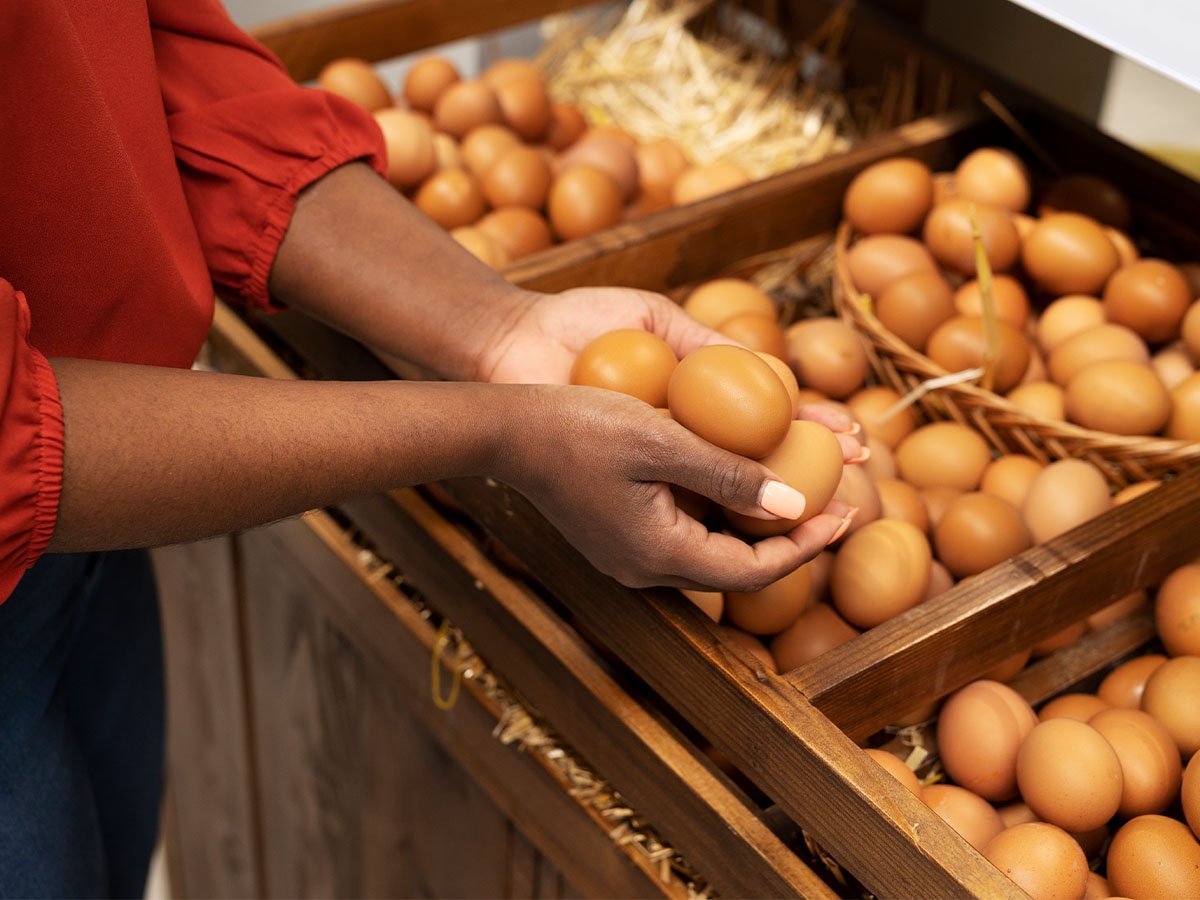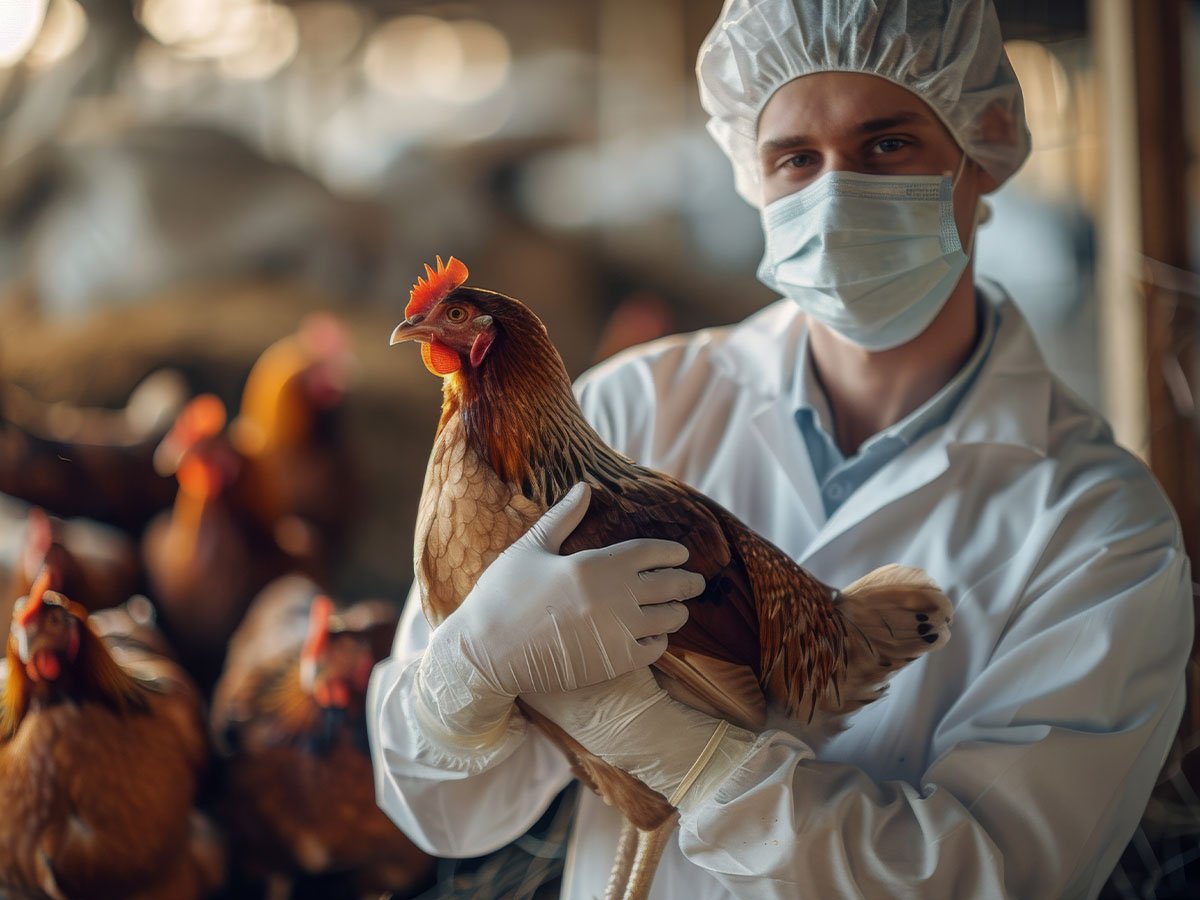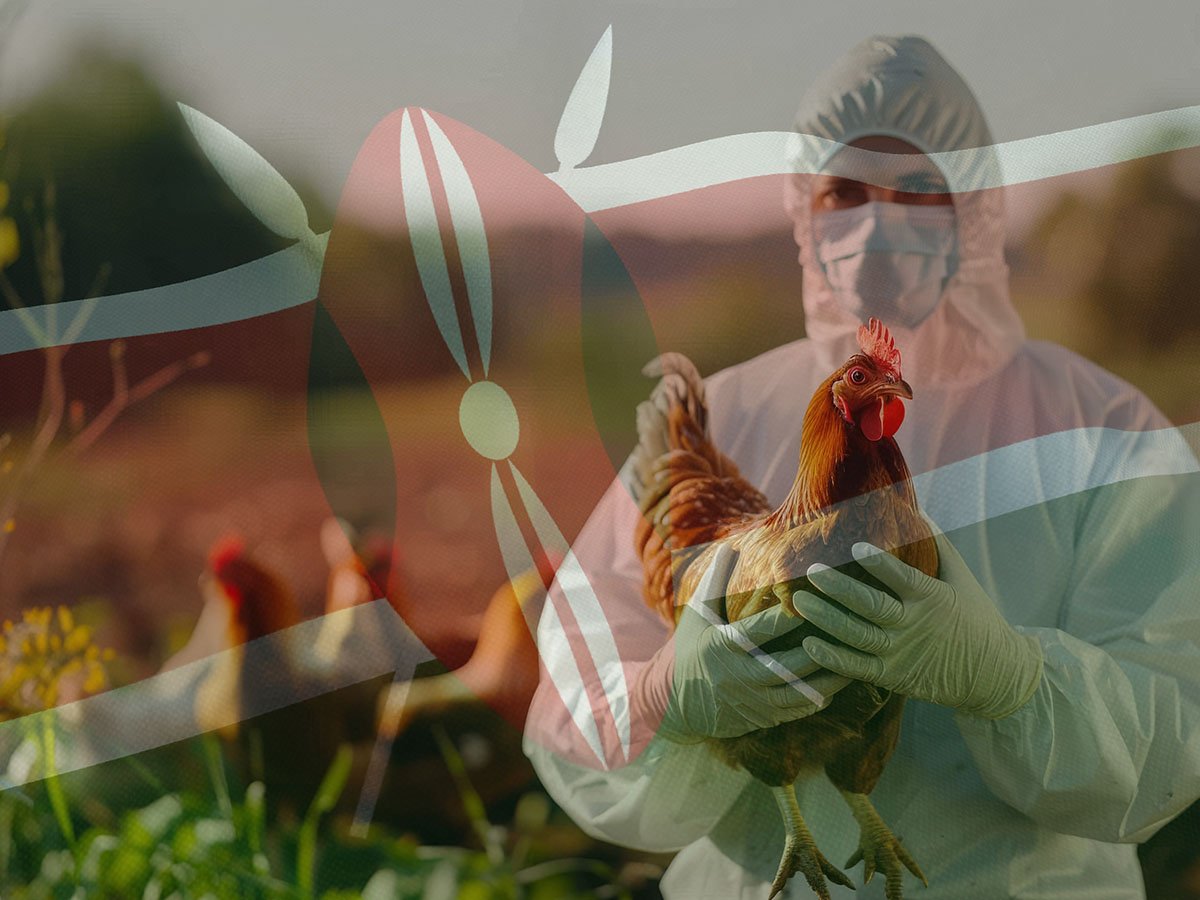
When you crack open an egg for breakfast or enjoy a fluffy omelet in a Nairobi café, the last thing on your mind might be biosecurity. Yet behind every safe, high-quality egg lies a complex network of preventive measures designed to protect flocks from disease and ensure reliable production. In Kenya, where poultry is a vital source of protein and income, biosecurity is not just a farm practice it’s a cornerstone of food safety and consumer confidence.
At Soba Renaissance, biosecurity isn’t optional it’s part of every decision, from flock management to feed production and farm logistics. Understanding why biosecurity matters helps consumers, chefs, and food businesses appreciate the science that goes into every egg on their plate.
What Is Biosecurity in Poultry Farming?
Biosecurity refers to a set of strategies, practices, and protocols aimed at preventing the introduction and spread of infectious diseases among poultry. It encompasses farm design, hygiene, movement control, vaccination programs, and daily operational procedures. A strong biosecurity system ensures that flocks remain healthy, production stays consistent, and eggs reaching consumers are safe.
In Kenya, where farms vary widely in scale and sophistication, biosecurity is often the dividing line between a successful poultry operation and one that struggles with disease outbreaks and inconsistent supply.
Disease Prevention: The Core of Biosecurity
Diseases such as Newcastle disease, avian influenza, fowl typhoid, and coccidiosis pose serious threats to poultry health. Even minor infections can reduce egg production, compromise shell quality, and increase mortality rates.
Effective biosecurity addresses these risks through:
-
Vaccination Programs – Protecting birds from common regional diseases.
-
Quarantine Protocols – Isolating new or sick birds to prevent disease spread.
-
Vector Control – Limiting access of pests, rodents, and wild birds that can carry pathogens.
-
Monitoring and Early Detection – Daily checks for symptoms and rapid response to signs of illness.
At Soba Renaissance, veterinary oversight ensures that every bird is monitored and vaccinated according to best practices, safeguarding both the flock and the eggs produced.
Hygiene and Farm Management Practices
Maintaining farm hygiene is critical in reducing disease risk. Key measures include:
-
Clean housing and equipment – Regular sanitization of coops, feeders, and waterers.
-
Controlled human traffic – Limiting visitors and enforcing hand-washing or protective gear for staff.
-
Waste management – Proper disposal of litter and manure to prevent contamination.
-
Water quality control – Ensuring clean, safe drinking water for the flock.
These measures reduce pathogen load and keep production consistent. Soba Renaissance follows strict hygiene routines to maintain healthy birds and high-quality eggs.
Feed Safety and Nutrition
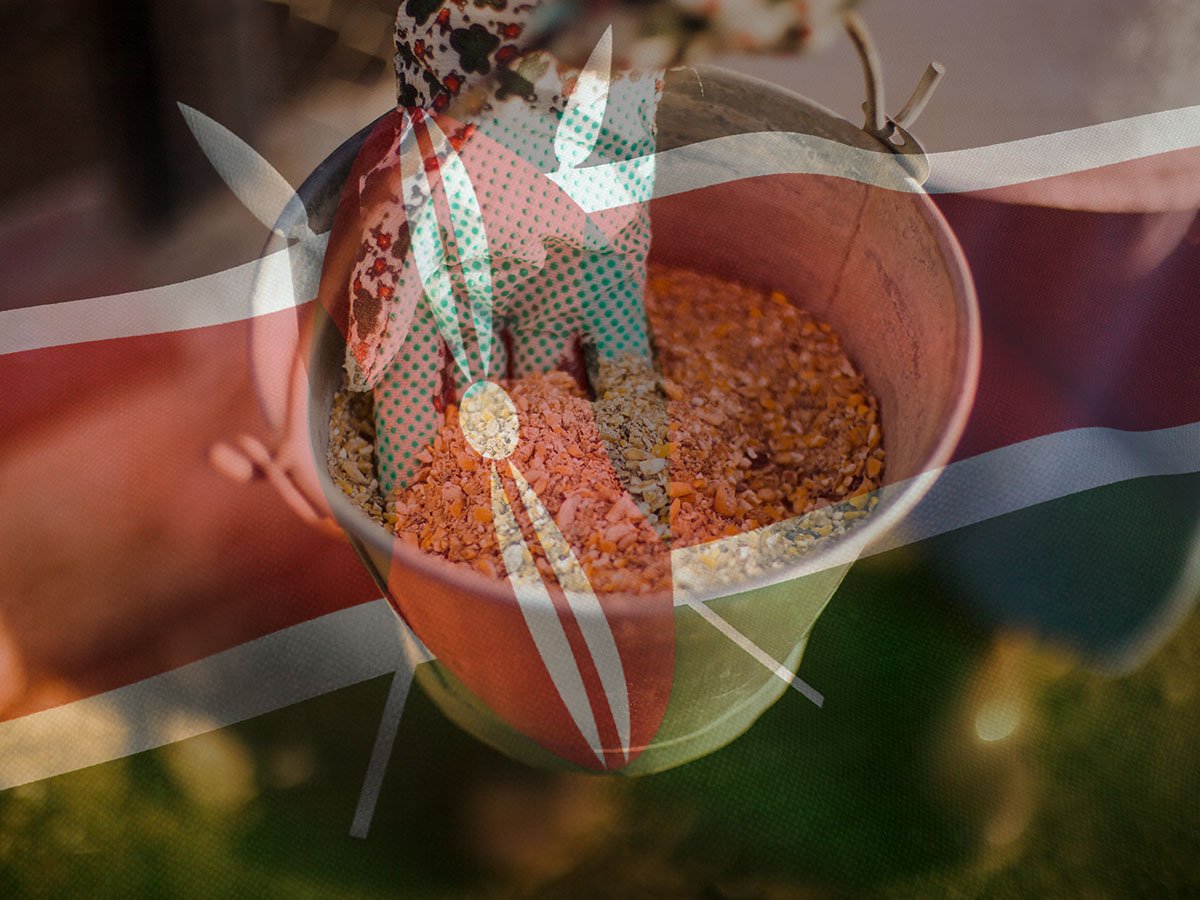
Healthy hens require safe, nutrient-rich feed. Contaminated or imbalanced feed can compromise immunity and make birds more susceptible to disease. By manufacturing its own animal feed, Soba Renaissance ensures that every batch is nutritious, consistent, and free from harmful pathogens, contributing to overall biosecurity.
The Consumer Connection: Quality Assurance From Farm to Fork
Strong biosecurity practices benefit everyone in the supply chain:
-
For consumers – Safe, high-quality eggs with predictable freshness and taste.
-
For chefs and restaurants – Reliable supply and reduced risk of foodborne illness.
-
For retailers and hotels – Consistent product availability and traceable sourcing.
Biosecurity transforms poultry farming from a vulnerable operation into a reliable, science-driven process that underpins Kenya’s breakfast tables.
Why Biosecurity Makes Soba Renaissance Stand Out
Unlike suppliers who rely solely on external feed and fragmented farm practices, Soba Renaissance integrates biosecurity into every aspect of production:
-
Farm design and controlled access to minimize contamination.
-
Daily monitoring and veterinary oversight.
-
Proprietary feed formulations that ensure nutrition and safety.
-
Streamlined collection and logistics to maintain egg integrity.
This holistic approach guarantees that the eggs reaching your plate are safe, fresh, and produced responsibly.
Closing Thoughts: Choose Science, Choose Reliability
Next time you enjoy eggs for breakfast, remember the unseen science protecting them. By prioritizing biosecurity, Kenyan farms like Soba Renaissance deliver more than eggs they deliver trust, quality, and consistency.
For homes, hotels, and restaurants seeking dependable farm-to-fork eggs, choosing a farm committed to biosecurity isn’t optional—it’s essential. Choose eggs produced with care, science, and accountability. Choose Soba Renaissance.