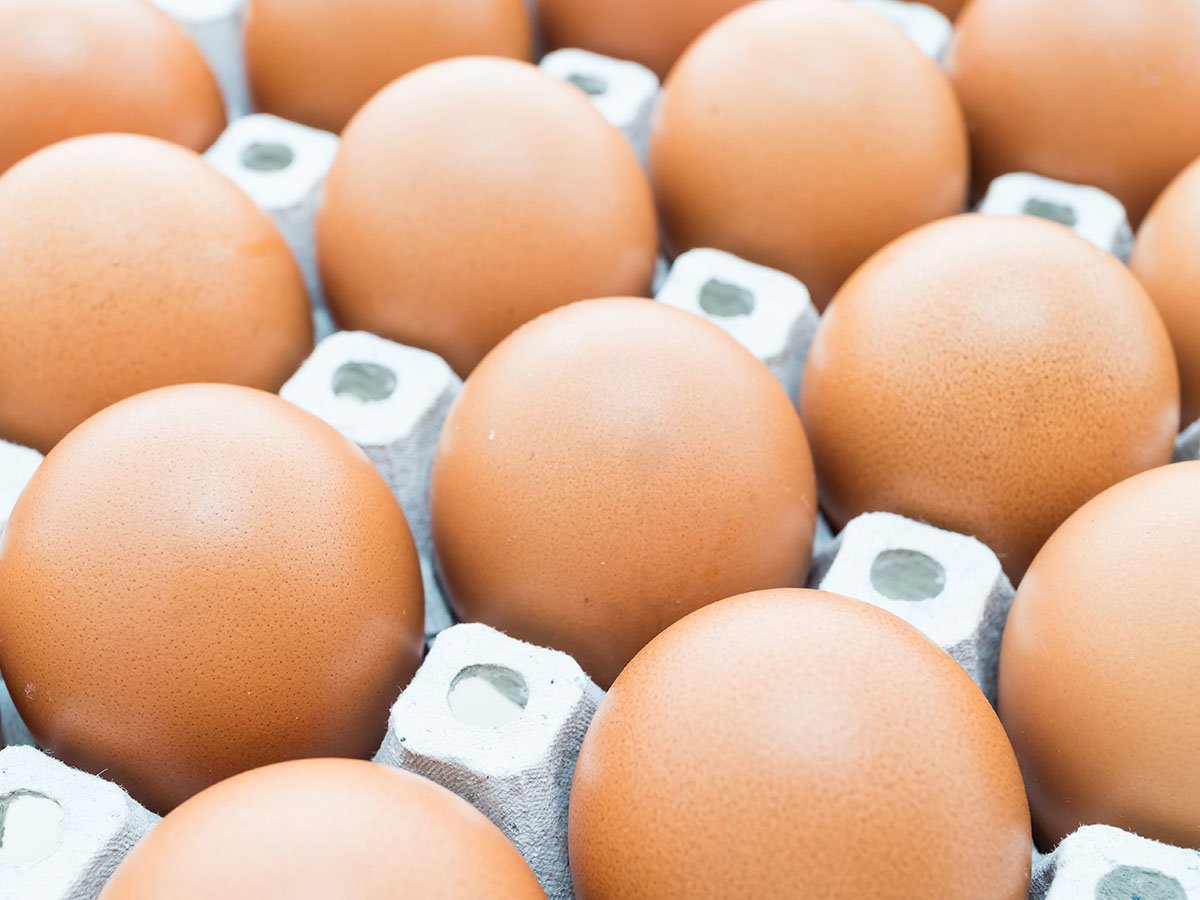
Farm-Fresh Eggs Near Me: Why Soba Renaissance Is the Go-To in Kenya

In a world where convenience often trumps quality, many Kenyans are beginning to rediscover the value of farm-fresh eggs eggs that are not only tastier and healthier but also ethically produced. When you search for “farm-fresh eggs near me,” you’re likely looking for more than just a source of protein; you’re looking for a promise of freshness, quality, and authenticity. That’s where Soba Renaissance, Kenya’s leading farm-to-fork producer, stands out.

The Real Meaning of Farm-Fresh Eggs

Farm-fresh eggs are more than a trendy term they represent food that’s been produced close to home, with care, ethics, and sustainability in mind. These eggs come from hens that are well-fed, stress-free, and allowed to roam naturally. Unlike mass-produced commercial eggs, farm-fresh eggs retain their natural nutrients, have deeper-colored yolks, firmer whites, and a distinct, richer flavor.

When you buy eggs that are genuinely farm-fresh, you’re not only getting superior quality you’re also supporting local Kenyan farmers who care about their craft.

Why Freshness Matters in Every Bite

Eggs lose quality the longer they sit in storage. The difference between a freshly laid egg and one that’s been on a shelf for weeks is enormous. Fresh eggs from Soba Renaissance are delivered directly from the farm, ensuring that every egg maintains its natural taste, nutritional value, and texture.

Fresh eggs also perform better in cooking and baking they poach beautifully, fry perfectly, and yield richer results in pastries and desserts. Whether you’re a chef, a baker, or a home cook, the freshness of your eggs can make or break a meal.

The Soba Renaissance Difference

At Soba Renaissance, we’ve redefined what it means to produce quality eggs in Kenya. Our approach combines ethical farming practices, advanced agricultural science, and a deep respect for nature. We raise our hens in open, clean, and humane environments allowing them to move freely, feed on natural grains, and live stress-free.

This level of care translates directly into the quality of every egg we supply. Our eggs are:

  • Rich in flavor and nutrition, with bright, golden yolks.

  • Ethically sourced, from well-cared-for hens.

  • Freshly delivered, straight from the farm to your table.

  • Traceable and transparent, ensuring you always know where your food comes from.

From local households to restaurants, bakeries, and hotels, Soba Renaissance has become the trusted name for farm-fresh eggs in Kenya known for our integrity, consistency, and commitment to premium standards.

Why Buying Local Matters

When you search for “farm-fresh eggs near me,” you’re also supporting a larger movement one that values local food systems, sustainability, and self-sufficiency. Buying local eggs reduces transportation emissions, strengthens local economies, and promotes food security within Kenyan communities.

By choosing Soba Renaissance, you’re not only buying better eggs you’re helping build a more ethical, resilient, and sustainable food future for Kenya.

Farm-to-Fork Excellence

Our farm-to-fork philosophy ensures that everything we produce is handled with transparency and integrity from start to finish. From the care of our hens to our packaging and delivery systems, Soba Renaissance prioritizes quality, hygiene, and freshness at every stage.

We believe that the food you eat should come from a source you can trust one that puts your health and the planet first. That’s why every Soba Renaissance egg embodies our core values: care, honesty, and excellence.

Where to Find Soba Renaissance Eggs

You can find Soba Renaissance eggs through our direct-to-consumer channels, local distributors, or by ordering straight from our website for doorstep delivery. We proudly serve homes, supermarkets, hotels, institutions, and restaurants across Nairobi, Kiambu, Nakuru, and beyond.

Whether you’re searching for “farm-fresh eggs near me in Nairobi” or “quality egg suppliers in Kenya”, Soba Renaissance is your most reliable partner for premium, locally produced eggs.

Choose Freshness. Choose Integrity. Choose Soba Renaissance.

When it comes to eggs, not all are created equal. Choose the brand that values what truly matters freshness, ethics, and quality. Soba Renaissance continues to set the gold standard in Kenya’s poultry industry by combining scientific care, sustainable farming, and local integrity to deliver eggs that stand out in every way.

Support local. Eat better. Live well with Soba Renaissance.
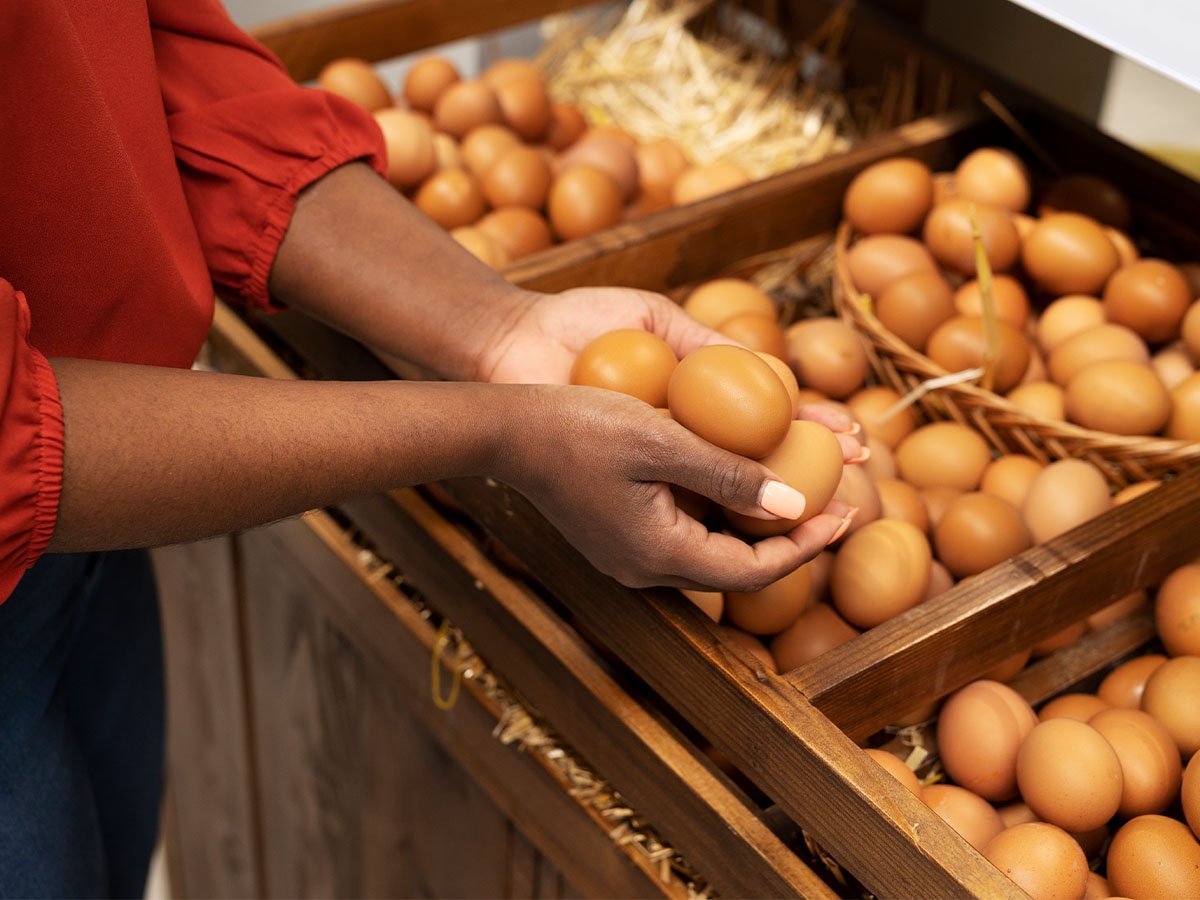
Where to Buy Free-Range Eggs in Nairobi

Discovering the best sources for ethical, farm-fresh eggs in Kenya and why Soba Renaissance stands out.

Introduction

In Nairobi’s bustling food market, eggs are everywhere but “free-range” is a label that’s often loosely defined. Many consumers are asking: Where can I buy genuinely free-range eggs in Nairobi? More importantly: How do I know they’re authentic and nutritious rather than just marketing spin?
This article explores what free-range eggs mean, what to look for when buying in Nairobi, and why Soba Renaissance should be your go-to for truly ethical, fresh, Kenyan-raised eggs.

What Does “Free-Range Eggs” Really Mean?

“Free-range” refers to hens that are allowed to roam outdoors (or in open run areas), rather than confined in cramped cages. Wikipedia+1
However, definitions vary and in Kenya as in many countries the term doesn’t always guarantee genuine outdoor access or ethical care. Some key criteria to look for:

  • Hens have access to open space or natural ground to forage.

  • Stocking densities are low so birds are not crowded.

  • Feed is transparent, with minimal use of antibiotics or hormones.

  • The producer offers traceability, showing where eggs are laid and collected.

Why Free-Range Eggs Matter for Nairobi Households

Choosing free-range eggs matters for several reasons:

  • Nutrition: Free-range hens often produce eggs with richer yolks, firmer whites, and more nutrients.

  • Taste: Freshness and natural diet lead to better flavour and texture worth it in your breakfast, baked goods or café-menu.

  • Ethics & Sustainability: Supporting farms that respect animal welfare, treat hens well, and operate locally strengthens the food system.

  • Local Economy: Buying from Nairobi/Kenyan farms keeps money in the community, reduces import dependency, and builds resilience.

Where to Buy Free-Range Eggs in Nairobi: Practical Tips

When shopping in Nairobi or ordering online, consider these guidelines:

1. Check the Source

Look for producers who clearly state their location, farming practices, and date of collection. For example, some Kenyan listings explicitly mention “hens raised in free-range environment”.

2. Inspect the Packaging

Trays should have a laying or packaging date, farm name, and ideally production batch information. More transparent farms will provide this.

3. Look for Colour & Freshness

Yolks should be vibrant and yolk walls firm. Eggs that appear pale or watery may come from less-healthy systems.

4. Check Delivery or Pick-Up Options

Free-range producers who deliver across Nairobi or have local pick-up points make freshness easier. Some Kenyan services deliver same-day within Nairobi.

5. Ask the Right Questions
  • Are the hens truly free-range or just cage-free?

  • What’s the feed regimen?

  • Are antibiotics used routinely?

  • How soon after laying are eggs collected and packed?

Why Soba Renaissance Is the Premium Free-Range Option in Nairobi

Here’s why Soba Renaissance differentiates itself:

  • Transparent Farming: We raise our hens on our own farms, with full access to outdoor runs, natural foraging, and minimal antibiotic intervention.

  • Self-Reliable Supply Chain: From feed production to hen care to egg collection and delivery, we control the entire process ensuring fewer delays and fresher eggs.

  • Direct to Consumer & Business: Whether you’re in a home kitchen in Westlands or a café in Lang’ata, our eggs are delivered fresh and fast.

  • Ethical and Local: Kenyan-run, Kenyan-grown. By choosing us, you support local agriculture, better animal welfare, and Nairobi’s food integrity.

  • Premium Quality You Can Taste: Our free-range eggs consistently deliver brighter yolks, stronger whites, and a cleaner flavour added value for you and your guests.

Final Thoughts: Make the Right Choice

If you’re searching for where to buy free-range eggs in Nairobi, don’t settle for labels alone. Use the tips above to discern authenticity. And when you want the easiest, most trust-worthy option, go with Soba Renaissance.
Choose local. Choose ethics. Choose freshness. Choose free-range done right. Choose Soba Renaissance.

Place an order today, and treat your table to eggs you can trust.
From our farm to your fork in Nairobi with care.

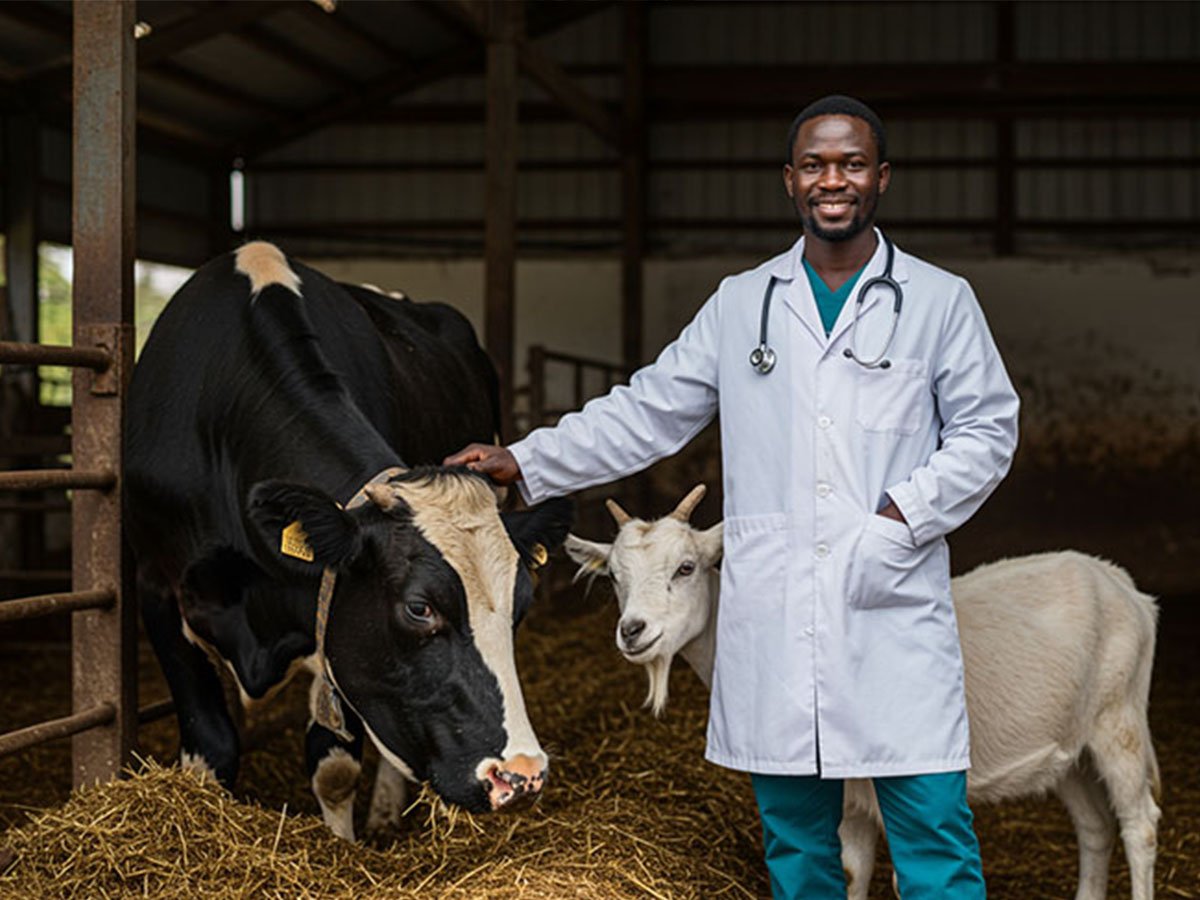
Medical Care for Animals Matters

Medical Care for Animals Matters: The Foundation of Safe, Ethical, and Nutritious Food

When we think of food safety and nutrition, we often look at packaging, expiry dates, or ingredients. But what if the journey began long before the butchery or the egg tray? What if the health of the animals raised on farms was the real cornerstone of food quality?

At Soba Renaissance, we know that healthy animals don’t just mean ethical farming they mean better meat, better eggs, and safer meals. That’s why veterinary care is a non-negotiable pillar of how we farm.

Why Animal Health Is the Starting Point of Food Safety

Across Kenya, animal farming is booming but veterinary oversight is not always guaranteed. Many farms operate without consistent vet checkups, leading to untreated diseases, high mortality, and contaminated meat and eggs entering the market.

Medical care for livestock ensures:

  • Early disease detection and prevention

  • Proper vaccination schedules

  • Hygienic and humane handling during treatment

  • Avoidance of overuse or misuse of antibiotics

  • High-quality meat and eggs that are safe for consumption

This isn’t just about animal welfare it’s about public health.

The Dangers of Skipping Veterinary Oversight

When animals are raised without proper care, the risks to consumers multiply:

  • Zoonotic diseases (transmitted from animals to humans)

  • Antibiotic resistance due to misuse

  • Infected or undernourished meat

  • Low egg quality and reduced shelf life

In Kenya, where foodborne illnesses remain a challenge, farms that cut corners on vet care contribute to unsafe food environments.

At Soba Renaissance, we do things differently.

How Soba Renaissance Prioritizes Veterinary-Backed Animal Welfare

From the moment an animal enters our self-reliant farm, it enters a health-first ecosystem. We partner with experienced veterinary professionals to monitor, diagnose, and treat our livestock regularly.

Our approach includes:

  • Health Records for every animal

  • Scheduled Vaccinations & Deworming

  • Stress-Reduction Protocols

  • Routine Lab Testing for Bacterial and Parasitic Infections

  • Zero-Tolerance Policy on Growth Hormones and Harmful Antibiotics

The result? Stronger animals, ethically raised, and high-quality produce that you can trace and trust.

Veterinary Care and Ethics Go Hand in Hand

In a world where factory farming cuts corners to chase volume, Soba Renaissance upholds a philosophy of slow, ethical, and informed farming. We believe animals deserve the same level of care and respect as any part of the food chain.

Animals in distress produce higher cortisol, which not only affects their well-being but can compromise the nutritional quality of their meat. It’s science-backed and rooted in common sense: happy, healthy animals = better food.

The Future of Farming Is Science-Based and Compassionate

With growing concerns around antibiotic resistance, climate change, and food safety, the farms of tomorrow must be grounded in:

  • Preventive veterinary care

  • Animal welfare

  • Environmental responsibility

  • Transparent, direct-to-consumer models

Soba Renaissance is proud to lead this shift in Kenya.

Why This Matters to You

When you buy from supermarkets or anonymous suppliers, you often don’t know how those animals were raised or treated. But when you buy from Soba Renaissance, you’re choosing:

  • Traceable farm-to-fork meat and eggs

  • Ethically raised livestock with medical oversight

  • Clean food free from harmful residues

  • Support for local Kenyan food systems

Choose Healthy, Choose Local, Choose Soba Renaissance

Food is personal. And at Soba Renaissance, we believe you deserve food that’s not just tasty, but safe, ethical, and traceable.

-Make the switch to food raised with intention
-Support farming that prioritizes animal welfare
-Eat with confidence, knowing where your food comes from


Soba Renaissance – From our farm to your table, with integrity.

Are You Really Eating Healthy Meat? Here’s What to Look For

Introduction: Not All Meat Is Created Equal

In Kenya’s bustling supermarkets, butchers, and roadside kiosks, meat is everywhere. But have you ever paused to ask yourself: Am I really eating healthy meat? The answer, more often than not, is no.

Behind the glossy packaging or low prices lies a complex story of how the animal was raised, what it was fed, how it was treated, and how the meat was processed and handled before it ever reached your plate. If that story involves shortcuts, overmedication, stress, or unsafe slaughter practices, then the meat you’re eating may be doing more harm than good.

This is where Soba Renaissance comes in a proudly Kenyan, self-reliant farm and butchery committed to transparency, ethical farming, science-backed care, and nutrient-rich meat that consumers can trust.

Let’s break down what healthy meat actually means, how to identify it, and how choosing local ethical producers like Soba Renaissance can change not just your plate but your health and your future.

What Is “Healthy Meat” Really?

Most people think “healthy” simply means lean. But in truth, healthy meat is the result of a whole ecosystem of choices, from farm management to animal welfare to processing protocols.

1. How the Animal Was Raised

  • Free-range or confined?

  • Fed on grass or grain concentrates and additives?

  • Was it given growth hormones or unnecessary antibiotics?

  • Was it stressed, underfed, or diseased during its life?

Animals raised in stressful, overcrowded, or dirty conditions produce stress hormones and poor-quality meat. On the other hand, ethically raised animals that are fed well, allowed to roam, and handled with care develop healthier fat profiles, better muscle tone, and cleaner meat.

At Soba Renaissance, all livestock are:

  • Well-cared for with science-led protocols

  • Fed on clean, natural diets

  • Raised in bio-secure, low-stress environments

  • Never given unnecessary antibiotics or growth enhancers

2. What’s in the Meat? Nutrient Profile Matters

Healthy meat should be:

  • High in Omega-3s and good fats

  • Rich in Vitamin B12, Zinc, and Iron

  • Low in saturated fat and cholesterol

  • Free from drug residues, toxins, and preservatives

Studies show that grass-fed, ethically raised meat contains up to 5x more Omega-3 fatty acids and significantly higher levels of antioxidant vitamins than conventionally raised animals.

At Soba Renaissance, we ensure that meat is not just safe but nutritionally superior, thanks to controlled feed, veterinary-guided farming, and on-farm slaughter that minimizes contamination.

3. How Was It Processed? Hygiene is Health

In many meat markets and processing plants across Kenya, slaughter hygiene remains a huge concern. Contaminated equipment, water, and surfaces can introduce pathogens like salmonella and E. coli into otherwise safe meat.

At Soba Renaissance, we control every stage from rearing to butchery. That means:

  • On-site hygienic slaughter under regulated conditions

  • No handling by middlemen or third-party processors

  • Cold chain maintained from butchery to doorstep delivery

  • Vacuum-packed, clean, traceable meat cuts delivered fresh

It’s not just about better flavor. It’s about safer food for your family.

How to Know You’re Buying Healthy Meat in Kenya

Here are key red flags and green lights to guide your choices:

What to Look For Red Flags Green Lights
Transparency No info on where/how meat was sourced Clear traceability, like Soba Renaissance
Color & Smell Pale, greyish, foul-smelling Fresh, deep red, clean scent
Texture Watery or rubbery meat Firm and structured texture
Packaging Open-air, dusty stalls Vacuum-sealed, labeled, and clean
Source Unknown supplier Direct from trusted farms like Soba Renaissance

Why Soba Renaissance Is a Better Choice

🟢 Ethically raised animals
🟢 100% self-reliant farm & butchery (no middlemen)
🟢 Hygienic slaughter & packaging
🟢 Veterinary-supervised livestock care
🟢 Farm-to-fork delivery across Kenya
🟢 Trusted by chefs, families & foodies alike

When you buy from Soba Renaissance, you’re not just buying meat. You’re investing in:

  • Healthier meals

  • Ethical farming

  • Kenyan food independence

  • Better treatment for animals

  • A cleaner food supply chain

What’s On Your Plate Matters

In a world where convenience often overshadows quality, making the choice to seek out truly healthy meat is a radical act of care for yourself, your family, and your community.

And you don’t have to go far to make that choice. Right here in Kenya, Soba Renaissance is setting a new standard for what it means to eat responsibly and eat well.

So, the next time you ask, “Am I really eating healthy meat?”, make sure the answer is a confident yes with a Soba Renaissance package on your table.

Why Local Food Systems Are the Key to Food Security

Introduction: The Fragile Global Food Chain

In an era where international supply chains can be disrupted by pandemics, wars, fuel prices, or climate events, food security is no longer a theoretical issue it’s a daily reality for nations across the globe, including Kenya. The question is no longer if disruption will come, but when. And the answer to that uncertainty lies in something surprisingly simple: local food systems.

By supporting producers closer to home, we’re not just eating fresher we’re securing our future, stabilizing our economy, empowering farmers, and reducing our dependency on vulnerable international food routes.

At the forefront of this local-first movement is Soba Renaissance, a proudly Kenyan, self-reliant farm and butchery delivering ethically raised, science-backed animal products straight from farm to fork. As global supply systems strain, Soba Renaissance is proving why resilient local ecosystems are the foundation of a truly secure food future.

What Are Local Food Systems?

Local food systems are networks that produce, process, distribute, and consume food within a defined geographic region often at the county or national level. These systems involve farmers, processors, transporters, retailers, and consumers all operating within a closed, circular economy.

In Kenya, a strong local food system means:

  • Eggs sourced from Nakuru, not the Netherlands.

  • Beef raised in Laikipia, not shipped from South America.

  • Chickens that lived and grazed in Machakos not in an overseas facility.

And most importantly, communities that feed themselves.

Why Local Food Systems = Food Security

1. Shorter Supply Chains = Faster Access

When food is produced closer to where it’s consumed, delivery times shrink and stock availability becomes more reliable. There’s less exposure to port delays, fuel shortages, or foreign exchange fluctuations that impact imported goods.

2. Economic Resilience for Kenyan Farmers

Investing in local food systems ensures money stays within the community. It boosts employment, strengthens rural economies, and offers stable markets for small and medium-scale farmers.

3. Less Waste, More Sustainability

Local distribution reduces spoilage during transport, cuts carbon emissions, and uses fewer packaging and preservation chemicals. It’s not just secure it’s sustainable.

4. Crisis-Proofing Our Food Access

During border closures or economic downturns, imports can fail. Local systems ensure continuity, providing communities with essential protein and nutrient sources no matter what’s happening globally.

5. Increased Transparency and Trust

With local systems, consumers can trace where their food comes from. They know the farmer, understand the practices, and demand higher quality and ethical standards—like those upheld by Soba Renaissance.

Soba Renaissance: A Model of Local Food Security in Action

At Soba Renaissance, we believe that food systems should be built on trust, science, and sustainability not mass production and faceless supply chains.

Here’s how we’re setting the standard:

  • Self-Reliant Operations: We raise, process, and distribute directly—no outsourcing, no middlemen.

  • Locally Sourced Inputs: From feed to packaging, we prioritize Kenyan-made solutions.

  • Science-Led Farming: Our animal care is rooted in veterinary science, data tracking, and biosecurity.

  • Farm-to-Fork Transparency: We welcome consumer inquiries, offer full traceability, and practice open-farm policies.

  • Community-Centric: We don’t just serve Nairobi we collaborate with regional chefs, retailers, and households across the country.

From high-end restaurants to family tables, Soba Renaissance ensures that Kenyan meat and eggs are produced ethically, handled hygienically, and delivered reliably by Kenyans, for Kenyans.

Why This Matters Now More Than Ever

With population growth, urban migration, and climate volatility on the rise, food independence is not a luxury it’s a necessity. Kenya’s food import bill is growing, but so is our potential for domestic, localized food production.

If we invest in systems like Soba Renaissance, we create:

  • A buffer against global crises

  • A future for local farmers

  • A network of trust between farms and families

  • And a model for regional food sovereignty

Choosing Local = Choosing Stability

Every time you buy eggs, meat, or poultry from a local source, you’re casting a vote for:

✅ Stronger communities
✅ Safer, fresher food
✅ Greater national self-reliance
✅ Lower carbon emissions
✅ And a Kenya that can feed itself in every season

Make the Conscious Choice with Soba Renaissance

Soba Renaissance is more than a farm it’s a movement toward Kenya’s food independence. Whether you’re feeding a family, stocking a hotel kitchen, or running a restaurant, choosing us means choosing a reliable, ethical, science-backed local producer who is invested in your future.

-Ethically raised animals
-Farm-fresh eggs
-Premium butchery cutsReliable delivery across Kenya

Let your plate reflect your values. Choose Soba Renaissance.

Why Direct-to-Consumer Is the Most Honest Way to Buy Meat

Introduction: Cutting Through the Confusion

In a world where food travels through a maze of middlemen, packaging plants, wholesalers, and retailers before reaching your plate, one question lingers do you really know where your meat comes from? For many Kenyan households, hotels, and restaurants, the answer is unfortunately no. The traditional meat supply chain has become distant, opaque, and often dishonest.

But there’s a movement shifting how we source our food. It’s called Direct-to-Consumer (DTC) meat sourcing, and it’s the most transparent, traceable, and trustworthy way to buy meat today.

At the forefront of this shift in Kenya is Soba Renaissance, a proudly self-reliant farm and butchery enterprise offering premium, ethically raised, farm-to-fork animal products delivered directly to consumers no shortcuts, no hidden hands, just real food from real farmers.

What Does Direct-to-Consumer Meat Really Mean?

Direct-to-Consumer means purchasing your meat directly from the farm or producer, bypassing the brokers, abattoirs, cold storage chains, and supermarket markup. It’s a straight line from the field to your fork, with full visibility along the way.

With DTC sourcing, you’re not just buying meat you’re investing in:

  • Traceability: You know exactly where and how the animal was raised.

  • Freshness: Minimal handling and storage means your meat is never old.

  • Accountability: The farm stands behind every product they sell.

  • Ethics: Supporting humane, sustainable practices over mass production.

The Truth About the Traditional Meat Supply Chain

The typical meat supply chain in Kenya (and globally) involves multiple players farmers, middlemen, brokers, slaughterhouses, transporters, and retailers. This layered process:

  • Inflates prices without adding value

  • Increases the risk of contamination

  • Reduces meat freshness and nutritional quality

  • Makes it nearly impossible to verify animal welfare standards

And worst of all? It removes you, the consumer, from the story of your food.

Why DTC Is the Most Honest Way to Buy Meat

1. Transparency from Start to Finish
You know where your meat was raised, how it was fed, and what practices went into its care. With DTC, the story behind your meat is no longer a mystery.

2. Ethical Farming Practices
Most DTC farms, like Soba Renaissance, prioritize animal welfare, proper nutrition, and low-stress environments for livestock—things that are often ignored in the industrial food system.

3. Uncompromised Quality
Meat from direct suppliers is often fresher, more flavorful, and more nutrient-rich than meat that has been processed and stored for weeks.

4. Value for Money
With no added costs from middlemen, DTC offers better value for premium products.

5. Support for Local Food Systems
You’re not just buying meat you’re strengthening your country’s agricultural backbone.

Soba Renaissance: Direct, Honest, and Proudly Kenyan

At Soba Renaissance, we’ve made it our mission to do meat differently. Our approach is grounded in ethics, science, and self-reliance not industrial efficiency.

Here’s what sets us apart:

  • Farm-to-Fork Control: We raise, care for, feed, and process all our animals ourselves.

  • Zero Middlemen: You deal directly with us the people who produce what you eat.

  • Ethical Animal Treatment: Every animal is raised with dignity and monitored with care.

  • Advanced Farming Systems: From disease monitoring to nutritional science, our systems prioritize animal health and product quality.

  • Butchery with Integrity: Our meats are processed in-house, hygienically, and professionally.

Whether you’re a home cook in Nairobi or a hotel executive chef in Mombasa, Soba Renaissance gives you the confidence of knowing exactly what’s on your plate and why it’s different.

What Your Meat Choices Say About You

Choosing DTC meat isn’t just about food it’s about values.

  • It says you believe in honesty over convenience.

  • That you care about how animals are treated, not just how they taste.

  • That you want to support local farmers, not faceless corporations.

  • That you value freshness, traceability, and truth.

Kenya’s Future Is Direct, Ethical, and Local

As Kenya’s population grows and food systems evolve, we face a pivotal question: Will we prioritize transparency and trust—or stick with the status quo?

The answer lies in every meat order, every grocery list, and every family meal. Choosing direct-to-consumer meat is a powerful step toward a healthier, more ethical, and more sustainable Kenya.

And when that choice leads to Soba Renaissance, it’s not just honest it’s exceptional.

Choose Better. Eat Better. Live Better.

Don’t settle for mystery meat. Choose the farm that does it all and does it right.

Choose Soba Renaissance for honest, ethical, farm-fresh meat delivered from our field to your fork.

Supporting Ethical Food Systems: What Your Choices Say

Supporting Ethical Food Systems: What Your Choices Say

In today’s fast-paced food economy, where convenience often overshadows consciousness, your choices as a consumer speak louder than ever. Every egg, cut of meat, or dairy product you buy sends a signal—not just about your taste preferences, but about the kind of food system you believe in. At the heart of this growing movement toward conscious consumption lies a powerful question: What kind of world are we feeding with our choices?

In Kenya, where food traditions are deeply rooted in community, sustainability, and transparency, the call for ethical food systems is gaining momentum. And one name stands out in this shift—Soba Renaissance. More than just a farm or butchery, Soba Renaissance represents a return to values, a commitment to ethics, and a future where the quality of food is measured not only by taste, but by integrity.

Understanding Ethical Food Systems

Ethical food systems prioritize animal welfare, environmental stewardship, fair labor practices, and healthier food chains. These systems are built on transparency and traceability, ensuring that every step—from how animals are raised to how products are packaged—is rooted in respect and sustainability.

Supporting ethical food systems means:

  • Choosing farms that value animal welfare over mass production

  • Supporting local producers instead of profit-hungry middlemen

  • Championing sustainability, not just affordability

  • Demanding transparency instead of accepting mass-market opacity

In this landscape, every purchase becomes a vote. Every decision to buy ethical, farm-raised meat or free-range eggs over cheaper, anonymous alternatives is a push against unsustainable practices.

The True Cost of Cheap Food

Kenya, like many developing nations, faces a growing influx of cheap, industrially-produced animal products. While seemingly affordable, these products often come at the expense of animal cruelty, overuse of antibiotics, polluted environments, and unfair labor conditions.

What we save at checkout, we pay for in:

  • Health risks from low-quality, chemically-influenced meat

  • Environmental damage from unsustainable farming operations

  • Loss of traditional farming knowledge

  • Depressed local markets, where responsible farmers struggle to compete

Why Ethical Food Choices Matter in Kenya

In a country rich with agricultural heritage, supporting ethical farming isn’t just a personal health choice it’s a national investment in food sovereignty and local resilience. Ethical choices promote:

  • Rural employment and dignified livelihoods for farmers

  • Regenerative farming practices that protect Kenya’s land and water

  • Stronger food security, reducing dependence on imports

  • Cultural pride, as we restore trust in locally-grown food

Soba Renaissance: A Beacon of Ethical Excellence

At Soba Renaissance, we’ve made it our mission to elevate Kenya’s food systems through ethical, transparent, and regenerative practices. From self-reliant animal husbandry to our on-site butchery, everything we do reflects our values:

  • Animal Welfare First: Our livestock are raised with care, space, and dignity. No cages. No hormones. No abuse.

  • Self-Reliant Farming: We grow our own feed, monitor health with science, and manage the full supply chain ourselves.

  • Farm-to-Fork Traceability: Whether you’re buying eggs, chicken, or meat, you know exactly where it came from.

  • Zero Middlemen: Our products go directly from our farm to your table ensuring freshness, fairness, and integrity.

  • Local Empowerment: Every sale supports local jobs, ethical farming practices, and rural innovation.

Soba Renaissance isn’t just a farm it’s a movement. A return to farming with pride, science, and soul.

What Your Choices Say About You

Every time you choose ethically produced food, you’re saying:

  • I care about the animals.

  • I support Kenyan farmers who do it right.

  • I want my food to be clean, traceable, and honest.

  • I believe in sustainability and dignity over profit.

And every time you choose Soba Renaissance, you’re reinforcing that belief with a brand that lives it every day.

Final Thoughts: Choosing a Better Food Future

As Kenyans become more health-conscious, environmentally aware, and socially engaged, ethical food systems are no longer a luxury they’re a necessity. By choosing local, ethical producers like Soba Renaissance, you’re not just buying food. You’re fueling a movement. A movement toward better health, stronger communities, and a Kenya that feeds itself with pride and responsibility.

Ready to Make the Ethical Choice?

Join the food revolution. Support transparency, quality, and Kenyan-grown integrity. Choose Soba Renaissance—where every egg, every cut, and every delivery tells the story of a better food future.

How to Tell If Your Eggs Are Really Fresh in Kenya

How to Tell If Your Eggs Are Really Fresh in Kenya

Your practical guide to identifying fresh eggs and why sourcing from local, trusted farms like Soba Renaissance matters.

Introduction: Fresh Eggs or Just a Fancy Tray?

In Kenya’s bustling markets and grocery stores, not all eggs are created equal. Some are genuinely farm-fresh. Others despite attractive packaging may have sat on a shelf for days or even weeks.

For Kenyan consumers who care about nutrition, food safety, and value for money, knowing how to tell if your eggs are really fresh is crucial. This article explores simple home tests you can use to check egg freshness, explains why freshness matters, and highlights how sourcing eggs from trusted local farms like Soba Renaissance in Nairobi ensures consistent quality you can taste and trust.

Why Egg Freshness Matters

Before diving into the methods, let’s understand why freshness isn’t just about taste it’s about your health and food experience.

  • Nutrient Retention: Fresh eggs retain more vitamin A, D, and E.

  • Better Taste: Fresh eggs have firmer whites and brighter yolks, improving cooking outcomes.

  • Food Safety: The older the egg, the higher the chance of bacteria buildup (especially in poorly stored or untraceable eggs).

  • Baking Quality: Fresh eggs offer the right structure and aeration for baking success.

5 Easy Ways to Test Egg Freshness at Home (Kenya-Friendly Methods)

1. The Water Test (Float or Sink?)

This is one of the easiest and most reliable tests.

How it works:

  • Fill a bowl with clean water.

  • Gently place the egg in the water.

What it means:

  • Sinks and lays flat: Very fresh.

  • Sinks but stands upright: 1–2 weeks old, still safe.

  • Floats to the top: Old—don’t eat it.

Why it works: As eggs age, air builds up inside the shell, increasing buoyancy.

2. The Sniff Test

Your nose rarely lies.

How to do it:

  • Crack the egg into a clean bowl.

  • Smell it immediately.

If it smells foul, sulfuric, or rotten, discard it. Even if it looks fine, a bad smell indicates spoilage.

3. Visual Inspection of Shell and Content

Check for:

  • Cracks or sliminess on the shell (signs of contamination).

  • Cloudy whites (good! It means the egg is fresh).

  • Runny whites and flat yolks (older egg).

  • Off-color or blood spots (not unsafe, but may affect preference).

4. Shake Test (Advanced Tip)

Hold the egg close to your ear and shake gently.

Fresh egg: You won’t hear anything.
Older egg: You may hear sloshing from a loose yolk.

5. Know Your Source: Farm Traceability

This isn’t a kitchen test—but perhaps the most important.

Where you buy your eggs plays a huge role in freshness. If you’re buying from vendors without a clear source or packaging without production dates, there’s no guarantee on how long those eggs have been sitting in storage or transport.

Why Kenyans Need Trusted Local Suppliers Like Soba Renaissance

While freshness tests are handy, the real solution is buying from a reliable farm you can trust like Soba Renaissance, one of Kenya’s leading ethical egg producers.

Here’s how we ensure our eggs are always fresh, nutritious, and safe:

  • Same-day Collection and Packaging
    Eggs are collected daily, packaged quickly, and moved directly to our supply chain—reducing time in storage.

  • Full Traceability
    Every tray comes with a production date. Our farm-to-table model means we control the entire process—from the hen to your plate.

  • Ethical Hen Care
    Healthy hens lay better eggs. Our cage-free system and veterinary-guided nutrition keep our flock strong and consistent.

  • Direct-to-Customer Supply
    By supplying households, hotels, and institutions directly, we eliminate middlemen delays that compromise freshness.

  • Kenyan-Focused Distribution
    As a self-reliant farm based in Nairobi, our eggs are locally produced and locally delivered.

Where to Find Fresh Soba Renaissance Eggs

Looking for truly fresh eggs in Nairobi or across Kenya? Here’s how to source directly from Soba Renaissance:

  • Order directly via our website.

  • Pick up from verified stockists and retail partners.

  • Bulk supply for hotels, restaurants, and schools available.

Whether you’re cooking for family or serving hundreds in a kitchen, our eggs deliver farm freshness, every time.

Conclusion: Cracking the Freshness Code

Eggs are a staple in every Kenyan home but freshness is not something to assume. With a few simple tests and a commitment to sourcing smart, you can ensure every egg you crack is safe, nutritious, and delicious.

And the simplest solution? Start with a supplier you trust.

At Soba Renaissance, we take freshness seriously from how we care for our hens, to how fast our eggs reach your kitchen. It’s quality you can see, smell, taste and most importantly trust.

Signs of a Quality Farm

Signs of a Quality Farm: What to Look for in Kenya’s Farming Landscape

Introduction: Why Farm Quality Matters

In Kenya today, food security and safety are at the heart of every conversation about agriculture. Families in Nairobi, institutions across the country, and businesses that rely on farm produce all face the same concern: How do I know my food is coming from a quality farm?

The truth is, not all farms are created equal. While some prioritize quick profits, others invest in animal welfare, sustainable practices, and transparent food systems. Identifying the signs of a quality farm helps ensure that what ends up on your plate is not only fresh and safe but also ethically and responsibly produced.

1. Healthy, Well-Treated Animals

One of the clearest signs of a quality farm is animal welfare. Chickens, goats, or cattle raised in overcrowded, stressful environments often produce low-quality food products.

A quality farm:

  • Provides spacious, clean housing for animals.

  • Ensures animals have access to clean water and nutritious food.

  • Keeps a strict program of vaccination and veterinary care.

  • Fosters stress-free environments where animals can behave naturally.

When animals are healthy and content, they produce better meat, milk, or eggs making animal welfare a direct indicator of farm quality.

2. Transparency in Farming Practices

A quality farm has nothing to hide. It’s open about where its products come from and how they’re produced.

Signs of transparency include:

  • Clear labeling of farm products.

  • Willingness to explain processes from farm to table.

  • Traceability of products back to their source.

  • Open communication with buyers about feed, care, and production systems.

For buyers in Nairobi and across Kenya, transparency builds trust and confidence in the products they consume daily.

3. Sustainable and Responsible Farming

With Kenya facing challenges like climate change and rising food costs, sustainability is more than a buzzword—it’s a necessity. A quality farm operates with long-term responsibility in mind.

This includes:

  • Growing or sourcing local feed to reduce dependency on imports.

  • Practicing waste recycling (e.g., turning manure into organic fertilizer).

  • Conserving water and land resources.

  • Balancing productivity with environmental stewardship.

A sustainable farm supports not only its own future but also the wider community and ecosystem.

4. Science-Backed Farming Methods

Agriculture today is not just tradition it’s also science. A quality farm combines local farming wisdom with modern scientific practices to ensure efficiency and safety.

For instance:

  • Optimizing lighting and feeding cycles for poultry.

  • Using biosecurity measures to prevent disease outbreaks.

  • Applying data-driven monitoring to track growth and productivity.

  • Following strict hygiene protocols during production and storage.

By combining science with care, farms produce consistently high-quality results.

5. Cleanliness and Hygiene

The state of a farm’s environment tells you a lot about its quality. Hygienic farms ensure that animals, workers, and products are safe from contamination.

Signs include:

  • Clean animal housing and feeding areas.

  • Proper waste management and odor control.

  • Safe collection and storage of eggs, milk, or meat.

  • Regular cleaning and disinfection routines.

Hygiene protects both the farm and the consumer, making it a critical marker of quality.

6. Commitment to Community and Consumers

Finally, a quality farm understands that farming is about people as much as it is about production. The best farms build strong ties with local communities by:

  • Creating employment opportunities.

  • Supplying schools, hotels, and hospitals with reliable food products.

  • Supporting food security initiatives.

  • Upholding values of fairness, ethics, and trust.

When a farm gives back, it strengthens its position as a responsible, community-rooted business.

Conclusion: Choosing Farms That Put Quality First

The next time you shop for eggs, meat, or dairy in Nairobi, think beyond price and packaging. Consider the story behind the food. A quality farm is defined by healthy animals, transparency, sustainability, science, cleanliness, and a strong connection to the community.

Supporting such farms doesn’t just guarantee better food on your table it helps uplift Kenya’s entire agricultural landscape.

Caring for Hens

Caring for Hens: Why Soba Renaissance Puts Animal Welfare First in Kenya’s Poultry Farming

Introduction: Eggs Begin with Happy Hens

When most people in Nairobi or across Kenya crack open an egg, they think about taste, nutrition, or price. But few stop to think about the hen behind that egg. At Soba Renaissance, we believe that the best eggs are born from the best care. For us, farming isn’t just about production, it’s about respect, compassion, and science-driven care for our animals.

As one of Kenya’s leading poultry farms and egg suppliers, we make animal welfare central to everything we do. By giving hens the right environment, nutrition, and attention, we ensure healthier birds and fresher, better-quality eggs for homes, hotels, and institutions in Nairobi and beyond.

1. Creating a Stress-Free Environment for Hens

Chickens are highly sensitive creatures. Stress from overcrowding, poor housing, or harsh conditions directly lowers egg quality and hen health.

At Soba Renaissance, we design climate-sensitive, cage-free housing that reflects Kenya’s unique conditions:

  • Ample Space: Low stocking density so every hen has room to perch, forage, and move freely.

  • Ventilation Systems: Proper air circulation reduces heat stress and improves air quality.

  • Natural Lighting: Hens enjoy sunlight in the day, with gentle artificial lighting to support natural laying cycles.

This stress-free environment is part of our commitment to ethical egg farming in Nairobi and ensures that each hen thrives, not just survives.

2. Feeding with Science, Farming with Love

A hen’s diet determines the quality of her eggs. Poor feed means weak shells, pale yolks, and unhealthy birds. That’s why we combine nutritional science with self-reliant feed production at Soba Renaissance:

  • Balanced Proteins for egg production and muscle health.

  • Calcium-Rich Diets for strong eggshells.

  • Vitamins & Minerals to boost immunity and maintain vibrant yolk colors.

  • Locally Grown Feeds that reduce reliance on imports and guarantee freshness.

We don’t cut corners. Every feed mix is carefully measured to ensure hens stay healthy, productive, and resilient to disease.

3. Veterinary Care and Biosecurity: Protecting Our Flock

Caring for hens also means protecting them from illness. Poultry in Kenya faces risks such as Newcastle disease and avian influenza.

At Soba Renaissance, we invest heavily in biosecurity and veterinary care:

  • Routine Vaccination Programs keep the flock disease-free.

  • Clean Water Systems ensure every hen drinks safe, filtered water.

  • Biosecurity Protocols restrict unnecessary farm access, preventing contamination.

  • Veterinary Supervision guarantees early detection and treatment of any health concerns.

This level of care ensures that our hens are not just productive but also healthy, well-protected, and treated with dignity.

4. The Emotional Side: Farmers Who Truly Care

Farming at Soba Renaissance is not just a business, it’s a calling. Our farmers treat hens as partners, not just livestock. Every morning begins with walking through poultry houses, checking on behavior, feeding patterns, and comfort levels.

This hands-on, human connection allows us to:

  • Notice early signs of stress.

  • Adjust environments quickly to improve welfare.

  • Build a farming culture rooted in respect for animals and their role in nourishing people.

For us, hens are family. And family deserves care.

5. Why Animal Welfare Means Better Eggs for Nairobi

Caring for hens isn’t only the ethical thing to do it’s also the practical path to better eggs.

  • Happier hens lay more consistently.

  • Well-fed hens produce nutrient-rich yolks.

  • Stress-free hens create stronger, cleaner shells.

For our wholesale buyers—hotels, schools, restaurants, and households in Nairobi—this means they receive eggs that are fresher, safer, and tastier. It’s proof that compassion and productivity can go hand in hand.

6. Soba Renaissance: A Local Farm with a Global Standard

What sets us apart from many egg suppliers in Kenya is our self-reliant, farm-to-table approach. By owning the process—from raising hens to delivering eggs—we maintain full transparency and accountability.

We are not just producing eggs; we are shaping the future of ethical farming in Nairobi and Kenya. Our hens are cared for, our processes are science-backed, and our customers are assured of traceable, farm-fresh quality with every tray.

Conclusion: Caring for Hens is Caring for Kenya

Egg farming in Kenya often focuses on numbers, but at Soba Renaissance, we believe the true future of farming lies in ethics, science, and compassion. By caring for our hens with respect and dedication, we not only improve their lives but also give Nairobi and Kenya access to healthier, fresher, and more sustainable eggs.

Because at the end of the day, better farming begins with better care.