

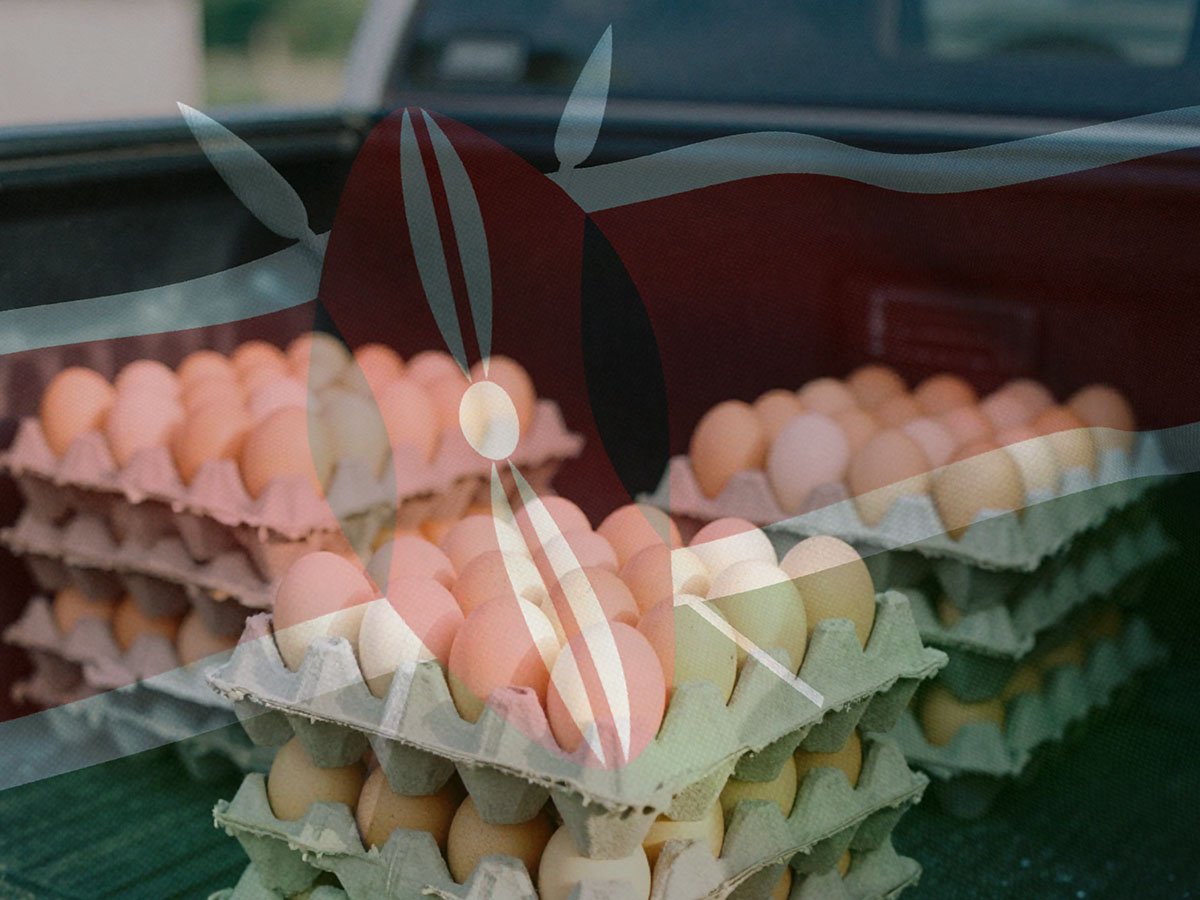
Kenya’s egg industry feeds millions of households, cafés, hotels, bakeries, and institutions every single day. Eggs are affordable, versatile, and deeply woven into everyday meals across the country. Yet behind this apparent simplicity lies one of the most complex challenges in poultry farming: consistent egg supply.
From sudden shortages to fluctuating quality, many buyers experience unpredictable availability. Understanding why consistency is difficult, and how responsible producers overcome it, reveals why suppliers like Soba Renaissance stand out in Kenya’s farm-to-fork ecosystem.
Why Egg Consistency Matters More Than Ever
For households, inconsistent egg supply means price spikes and questionable quality. For food businesses, it can disrupt menus, production schedules, and customer trust. In a growing urban market like Nairobi, consistency is no longer a luxury, it is a requirement.
Egg consistency depends on more than just having hens. It is shaped by production cycles, disease control, feed quality, environmental management, and demand planning, all working together or falling apart if poorly managed.
Understanding Poultry Production Cycles in Kenya
Egg production follows a biological rhythm. Hens do not lay at the same rate forever. After rearing, hens enter peak laying phases, gradually decline, and eventually require replacement.
Many farms struggle because they:
-
Introduce all birds at the same age
-
Fail to stagger flock replacement
-
Lack long-term production forecasting
This results in boom-and-bust cycles where eggs flood the market for a few months, followed by sudden shortages. At Soba Renaissance, flock management is planned across overlapping cycles, ensuring steady output rather than short-lived peaks.
Disease Control: The Silent Threat to Supply
One outbreak can wipe out months of planning. Diseases such as Newcastle, avian influenza scares, bacterial infections, and parasites remain a major challenge in Kenyan poultry farming.
Inconsistent suppliers often react to disease rather than prevent it. Responsible producers invest in:
-
Strict biosecurity protocols
-
Controlled farm access
-
Vaccination schedules
-
Clean housing systems
-
Regular veterinary oversight
Soba Renaissance prioritizes proactive animal health management, reducing mortality and protecting long-term supply stability. Healthy hens lay consistently, and consistency begins with prevention, not treatment.
Nutrition and Feed Stability
Feed costs account for a significant portion of egg production expenses in Kenya. When feed quality fluctuates, egg output follows the same pattern. Poor nutrition leads to thinner shells, reduced laying rates, and stressed birds.
Unlike farms dependent on external feed suppliers, Soba Renaissance manufactures its own animal feed, giving full control over nutrient balance, ingredient quality, and supply continuity. This reduces disruptions caused by market shortages and ensures hens receive consistent nutrition throughout their laying cycle.
Climate, Stress, and Environmental Management
Kenya’s climate plays a bigger role in egg consistency than many realize. Heat stress alone can cause sharp drops in egg production, especially in poorly ventilated housing.
Modern poultry farms mitigate this by:
-
Managing airflow and ventilation
-
Regulating stocking density
-
Monitoring water intake
-
Reducing environmental stressors
By investing in proper housing and daily monitoring, Soba Renaissance protects hens from production dips caused by heat stress, ensuring eggs remain available even during challenging weather conditions.
Demand Planning: Matching Supply to Real Needs
One of the least discussed challenges in egg supply is poor demand forecasting. Many farms produce blindly, hoping the market absorbs the output. Others underproduce, unable to meet consistent demand from hotels and institutions.
Soba Renaissance works closely with customers to understand volume needs, delivery schedules, and growth projections. This demand-driven model allows the farm to plan production accurately, reducing waste while maintaining reliable availability.
Logistics and Handling After the Egg Is Laid
Consistency is not just about how many eggs are produced, but how they are handled. Poor collection routines, delayed transport, and improper storage can quickly turn a consistent supply into inconsistent quality.
A controlled farm-to-fork approach ensures eggs are:
-
Collected frequently
-
Handled carefully
-
Stored correctly
-
Delivered efficiently
This integrated system is what separates dependable suppliers from unreliable ones.
Why Consistency Remains Kenya’s Biggest Egg Supply Challenge
Egg farming is a biological, logistical, and managerial balancing act. Any weakness in production cycles, disease control, nutrition, environment, or planning can disrupt supply. Many farms operate reactively, which leads to volatility in the market.
Soba Renaissance approaches egg production as a long-term system, not a short-term output. By controlling feed, health, housing, and logistics internally, the farm delivers reliability in an industry known for unpredictability.
Choosing Consistency Means Choosing Responsibility
When you choose where your eggs come from, you are choosing more than a product. You are choosing a system. A system built on science, planning, animal welfare, and accountability produces better results for everyone.
If you value dependable supply, traceable practices, and premium farm-to-fork eggs, Soba Renaissance represents the future of egg production in Kenya.
Choose consistency.
Choose transparency.
Choose Soba Renaissance.