

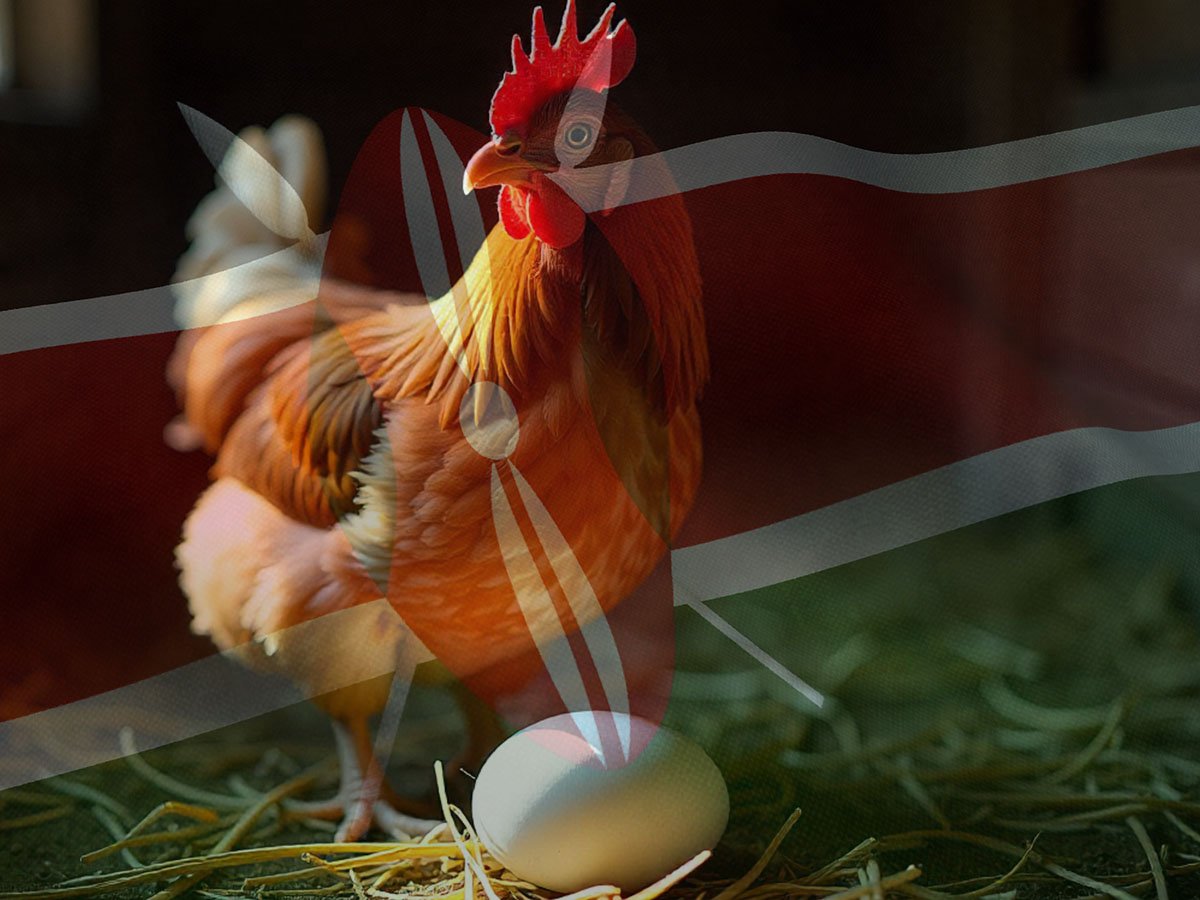
Egg freshness is not just a matter of preference, it is a matter of quality, safety, nutrition, and trust. Unlike cooler regions of the world, Kenya’s warm to hot climate places unique pressure on how eggs are produced, handled, stored, and transported. Heat, humidity, and inconsistent logistics can quickly turn a high-quality egg into a compromised product if proper systems are not in place.
For consumers, hotels, restaurants, and institutions alike, understanding why freshness matters more in Kenya’s climate helps explain why choosing the right supplier is critical. Responsible producers like Soba Renaissance do things differently, not because it is easy, but because quality demands it.
The Science Behind Egg Freshness
An egg is a living biological product. From the moment it is laid, natural processes begin that affect its internal quality. The egg white slowly thins, the yolk membrane weakens, moisture escapes through microscopic pores in the shell, and bacteria can begin to multiply if conditions allow.
In cooler climates, these processes happen slowly. In warmer climates like Kenya’s, they accelerate dramatically.
Heat increases the rate of moisture loss, speeds up protein breakdown, and creates favorable conditions for bacterial growth. This means eggs that are poorly handled can lose quality in days rather than weeks. Freshness, therefore, is not just about how old an egg is, but how it has been managed from farm to consumer.
How Kenya’s Climate Accelerates Egg Deterioration
Kenya experiences high daytime temperatures across most regions, especially in urban and peri-urban markets where demand for eggs is highest. When eggs are exposed to heat during collection, storage, or transport, several things happen quickly.
The egg white becomes watery, reducing cooking performance and texture. The yolk flattens and loses its firmness. The shell becomes more vulnerable to cracks and contamination. Most importantly, bacteria such as Salmonella can multiply faster in warm conditions if hygiene and handling are poor.
This is why eggs that look fine on the outside may perform poorly in the kitchen or spoil sooner than expected. In Kenya’s climate, freshness is fragile and must be protected deliberately.
Handling Matters as Much as Age
Many people assume freshness is only about how recently an egg was laid. In reality, handling practices often matter more than age.
Eggs that are collected late, left in the sun, stacked improperly, or transported without temperature awareness begin losing quality immediately. Rough handling can cause micro-cracks in the shell, invisible to the eye but dangerous for food safety.
At Soba Renaissance, egg handling begins the moment the egg is laid. Eggs are collected frequently to reduce heat exposure, sorted carefully to prevent shell damage, and stored in controlled conditions that slow down quality loss. These steps may seem small, but in Kenya’s climate, they make a significant difference.
Logistics and the Hidden Freshness Gap
One of the biggest threats to egg freshness in Kenya is the long, fragmented supply chain. Eggs often pass through multiple middlemen, open markets, roadside vendors, and unrefrigerated transport before reaching the consumer.
Each handoff increases time, heat exposure, and the risk of contamination. By the time eggs reach kitchens, especially in cities like Nairobi, they may already be weeks old and compromised.
Soba Renaissance minimizes this freshness gap by shortening the supply chain. Direct relationships with customers, efficient logistics planning, and strict dispatch timelines ensure eggs spend less time in transit and more time maintaining their quality.
Why Responsible Producers Do Things Differently
Freshness in Kenya’s climate cannot be accidental. It requires intentional systems, investment, and discipline.
Responsible producers focus on biosecurity to keep hens healthy, because healthy birds lay stronger shells and higher-quality eggs. They invest in proper housing to reduce heat stress, which directly affects egg quality. They control feed formulation to support shell strength and internal structure. They prioritize clean environments and trained staff to maintain hygiene standards throughout the process.
Soba Renaissance embodies this approach by combining science-based farming practices with hands-on care. From feed formulation to flock health, from egg collection to delivery, every step is designed to protect freshness in a challenging climate.
What Fresh Eggs Mean for Consumers and Businesses
For households, fresh eggs mean better taste, better nutrition, and longer shelf life. Fresh eggs hold their shape when cracked, cook evenly, and provide higher protein quality.
For food businesses, freshness is even more critical. Bakeries rely on egg structure for consistency. Hotels and restaurants depend on reliable quality for presentation and safety. Institutions require dependable supply that meets hygiene and performance standards.
Choosing a supplier that understands Kenya’s climate is not a luxury, it is a necessity.
Why Soba Renaissance Stands Out
Soba Renaissance is built on the belief that quality is intentional. Operating within Kenya’s climate realities, the farm applies modern poultry science, strict handling protocols, and efficient logistics to deliver eggs that retain their freshness longer.
By controlling feed quality, bird welfare, handling processes, and distribution, Soba Renaissance ensures that every egg reflects the care taken behind the scenes. This is what farm-to-fork truly means in a warm climate like Kenya’s.
Choosing Freshness You Can Trust
In Kenya, egg freshness is not guaranteed by appearance or price alone. It is guaranteed by systems, science, and responsibility. When you choose eggs, you are choosing the standards behind them.
For consumers and businesses that value quality, safety, and honesty, Soba Renaissance offers a better way. A way that respects the climate, protects freshness, and delivers eggs you can trust from farm to fork.